

President Donald Trump has instructed aides to prepare for an extended blockade of Iran, targeting the country’s financial resources in a high-risk effort to force Tehran to accept nuclear concessions it has long rejected, The Wall Street Journal reported on Tuesday, citing U.S. officials.
In recent meetings, including a discussion Monday in the Situation Room, Trump chose to continue pressuring Iran’s economy and oil exports by blocking shipping to and from its ports. He determined that other options — resuming bombing or ending the conflict — carried greater risks than maintaining the blockade, officials said.
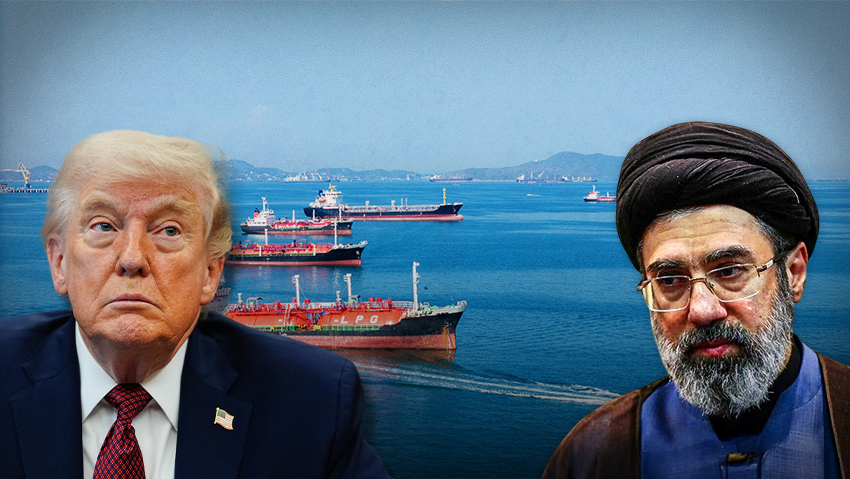
The strategy, however, prolongs a conflict that has driven up gas prices, weighed on Trump’s poll numbers and dimmed Republican prospects in the midterm elections. It has also led to the lowest number of transits through the Strait of Hormuz since the war began.
Since ending a major bombing campaign in an April 7 ceasefire, Trump has repeatedly stepped back from escalation, leaving room for diplomacy after earlier threatening sweeping destruction in Iran. Still, he is seeking to tighten pressure on the government until it agrees to dismantle its nuclear program.
On Monday, Trump told aides that Iran’s three-step proposal — to reopen the Strait of Hormuz while delaying nuclear talks to a final phase — showed Tehran was not negotiating in good faith, according to the Journal. For now, Trump supports an open-ended blockade, writing Tuesday on Truth Social that it is pushing Iran toward a “State of Collapse.”
A senior U.S. official said the blockade is significantly damaging Iran’s economy, leaving it struggling to store unsold oil and prompting new outreach to Washington. The approach marks a new phase in the conflict and underscores the absence of a quick resolution.
Ending the conflict unilaterally could provide relief to U.S. and global economies, but Iran’s recent proposal would have allowed Tehran to dictate the terms of such a move.
Renewed military action could further weaken Iran, but officials said it would likely respond by targeting Gulf energy infrastructure, increasing the economic costs of the conflict.
The blockade, meanwhile, reduces Iran’s revenue but commits U.S. forces to a prolonged presence in the Middle East, with no guarantee of success.
“Iran is calculating that its ability to withstand and circumvent the blockade outstrips the U.S. interest in preventing a wider energy crisis and potentially a global recession,” said Suzanne Maloney, an Iran expert and vice president of the Brookings Institution’s foreign policy program. “A regime that slaughtered its own citizens to silence protests in January is fully prepared to impose economic hardships on them now.”
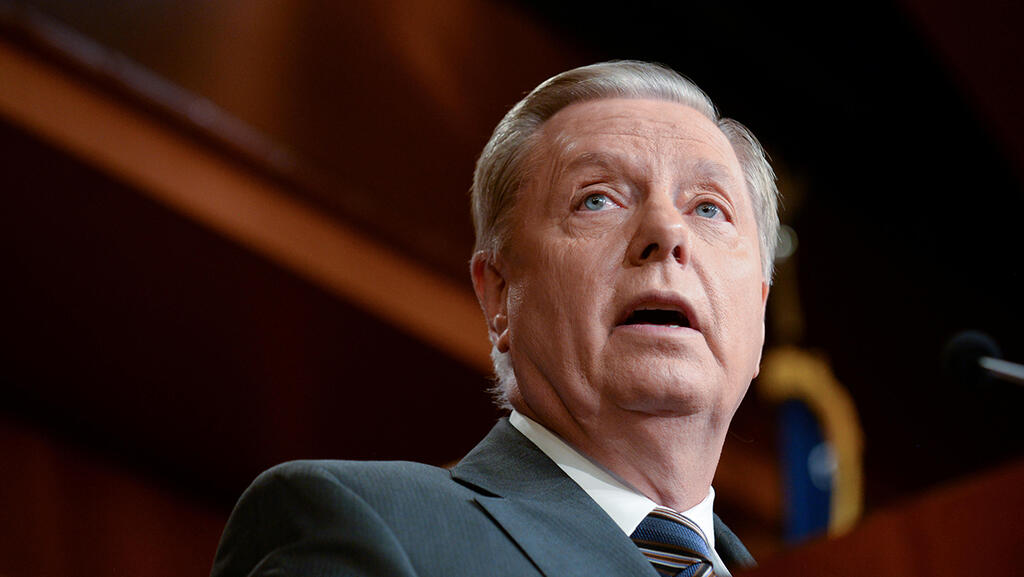
Sen. Lindsey Graham
(Photo: Reuters)
Trump is receiving mixed advice. Some officials and allies, including Sen. Lindsey Graham, a South Carolina Republican, have urged the administration to maintain pressure on Tehran. Others, including business leaders close to the president, warn that further disruption in the Strait of Hormuz or expanded conflict could damage the economy ahead of the November elections.
Officials said Trump weighed those concerns Monday as he considered Iran’s proposal, which offered a possible path to de-escalation.
But he and his national security team concluded it would reduce U.S. leverage in seeking nuclear concessions. The White House has said any lasting agreement must address Iran’s nuclear program, including timelines for restrictions.
Officials said Trump is not willing to drop his demand that Iran commit to suspending uranium enrichment for at least 20 years and accept limits beyond that period.