

The death toll from the antisemitic terror attack at a Hanukkah celebration in Sydney has risen to 15, as Israel’s Mossad intelligence agency assists Australian authorities in the investigation into the massacre at Bondi Beach.
Israeli and Australian officials confirmed that intelligence cooperation is underway as part of the ongoing probe into the attack, in which terrorists opened fire on Jews gathered to light the first Hanukkah candle during a ‘Hanukkah by the Sea’ event. Most of the victims were members of Sydney’s Jewish community.
The scene of the terror attack in Bondi Beach
(Video: Reuters)


According to the report, Mossad's involvement in the investigation reflects intelligence cooperation between Israel and Australia, despite recent diplomatic tensions between the two governments.
Witnesses described minutes of uninterrupted gunfire as terrorists dressed in black fired submachine guns from a nearby bridge. Panic spread as hundreds fled the area, abandoning shoes, bags and baby strollers. Some sought shelter in nearby restaurants, while others attempted to flag down passing cars to escape.
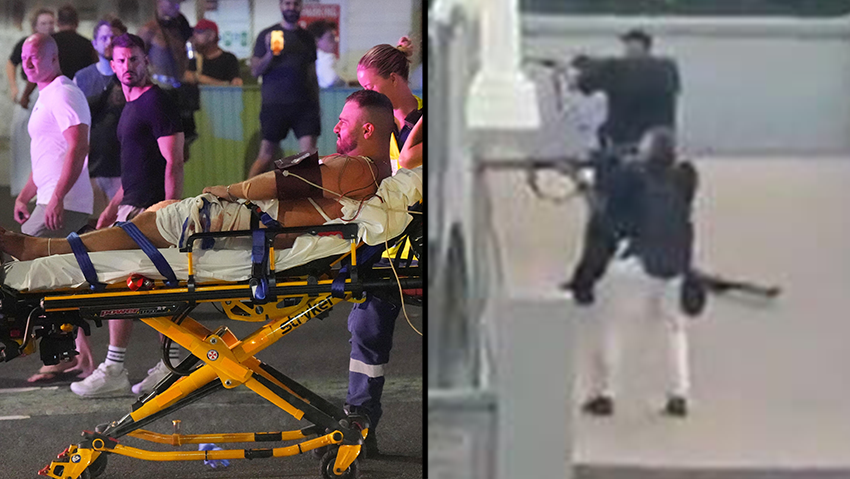
Among the victims was Holocaust survivor Alex Kleitman, who was killed while trying to shield his wife, Larisa. Kleitman survived World War II as a child under brutal conditions in Siberia and later immigrated to Australia from Ukraine. Another victim was Rabbi Eli Schlanger, a Chabad emissary in Sydney since 2008, who helped organize the event and leaves behind five children, including an infant son. A 27-year-old French Jewish immigrant and a child from a Jewish school were also killed. A 10-year-old girl remains hospitalized in critical condition.
A Muslim Australian passerby, Ahmed al-Ahmed, was hailed as a hero after tackling one of the terrorists from behind and seizing his weapon, preventing further bloodshed.
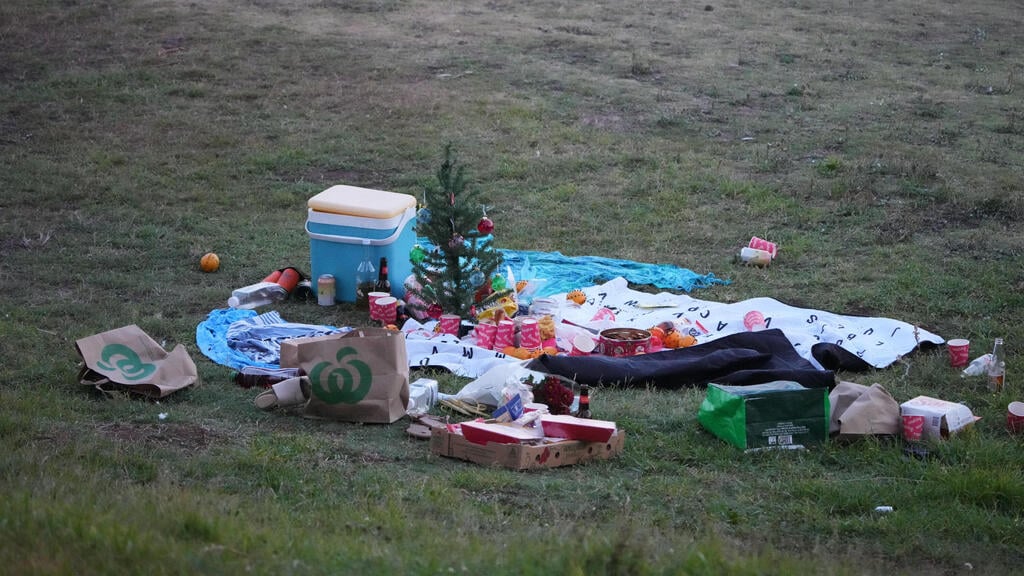
(Photo: Mark Baker/ AP)
Australian police said one of the terrorists was killed at the scene. The second, identified as Naveed Akram, was seriously wounded and taken to hospital. Authorities later raided Akram’s family home in Bonnyrigg, a suburb in southwestern Sydney, with dozens of officers participating. Three people were seen leaving the house with their hands raised, and two were detained. Police have not confirmed their identities or their connection to the attack.
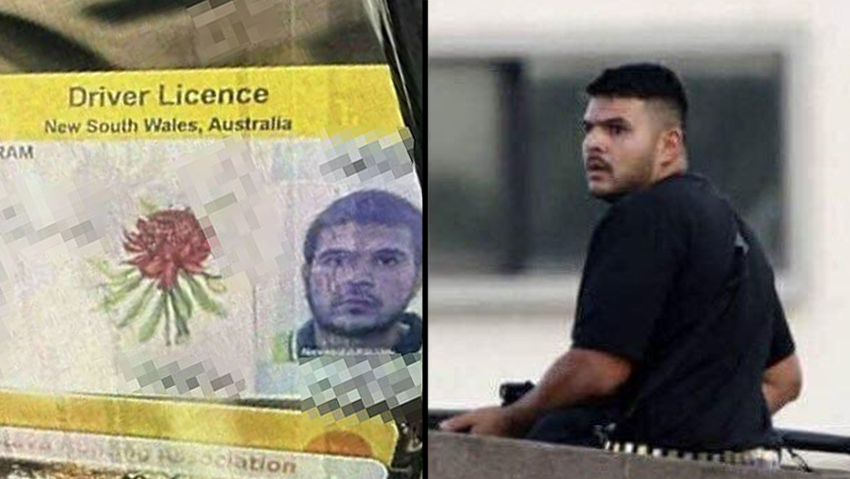
Naveed Akram
The terrorist who was killed had been known to police but was not considered an immediate threat. Authorities said there is still no confirmation that Akram is an immigrant from Pakistan, despite claims circulating on social media. A black flag was found near the vehicle used in the attack, though police have not confirmed whether it was linked to jihadist groups such as ISIS.
Beyond the immediate investigation, the attack has reignited fierce debate over what Jewish leaders describe as a dramatic rise in antisemitism in Australia since October 7. Weekly anti-Israel demonstrations, chants such as “Globalize the Intifada” and what critics call organized and well-funded incitement have become commonplace, particularly in Sydney.
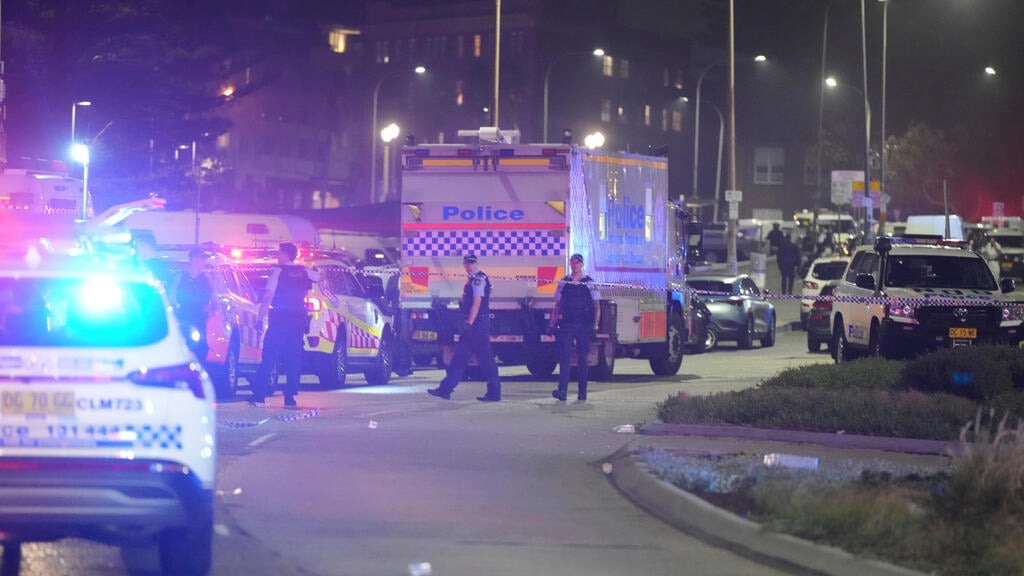
(Photo: Mark Baker/ AP)
Australia, once a refuge for Holocaust survivors and home to one of the largest survivor populations outside Israel, has seen antisemitic attacks on synagogues, schools, restaurants and academic institutions become increasingly frequent.
Israeli officials have accused the Australian government of failing to take a firm stand against antisemitism. Prime Minister Benjamin Netanyahu said antisemitism “spreads when leaders remain silent,” while Foreign Minister Gideon Saar said the attack was the predictable result of unchecked incitement.
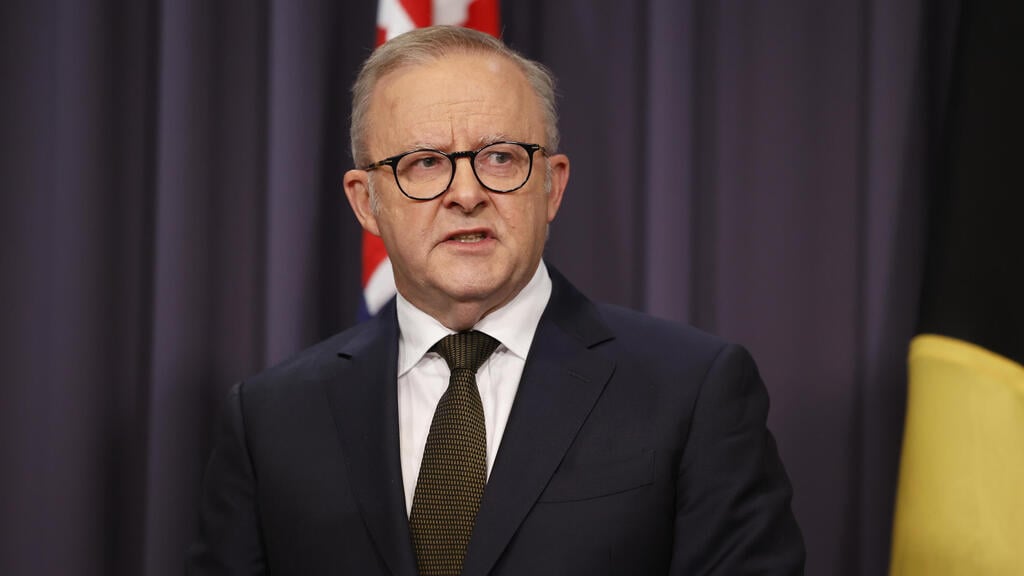
Australian Prime Minister Anthony Albanese
(Photo: George Chan/Getty Images)
Australian Prime Minister Anthony Albanese called the shooting “a black day for all of Australia” and said it was a targeted attack on Jewish Australians during a religious celebration. He pledged full resources to protect the Jewish community and bring all those responsible to justice.
The investigation remains ongoing, with Australian counterterrorism authorities leading the probe alongside international intelligence partners.