


Prime Minister Benjamin Netanyahu expressed support for dozens of Jewish-run agricultural outposts in the West Bank during a high-level meeting this month, even as he directed security officials to expand efforts to curb violence by radical settler youth, according to an internal government document obtained by ynet and Yedioth Ahronoth.
The document — titled “Summary of the Prime Minister’s Discussion on Educational Tools to Counter Hilltop Youth Violence in Judea and Samaria” — shows Netanyahu backed the continued operation of the outposts, which are not officially authorized but receive state support and are promoted by right-wing ministers as a means of preventing Palestinian development in Area C, the 60 percent of the West Bank under full Israeli control.
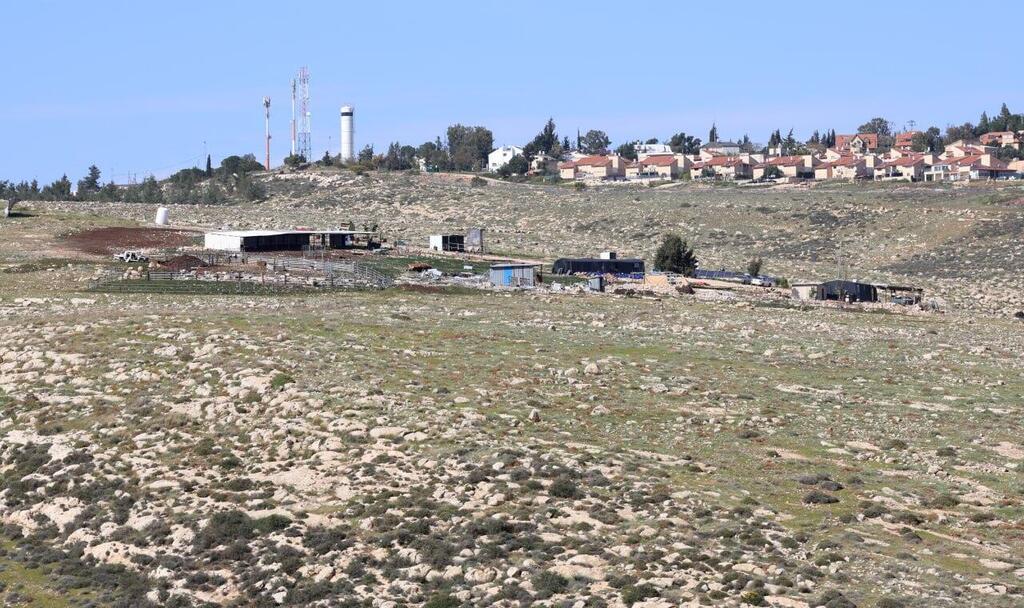
According to the National Security Council summary, Netanyahu said the “approved and supervised farms are a positive and necessary response for preserving Area C and countering Palestinian activity in the area.” Officials present at the meeting said Netanyahu also ordered ministries to accelerate the legal regulation of the outposts.
Agricultural outposts — often called “farms” — remain illegal in terms of their structures, but most grazing lands they use are allocated to them by the Civil Administration. The government has for years been working to formalize them under a framework similar to single-family agricultural farms in the Galilee and Negev. The sector has grown to 70–100 locations, including more than 15 established since the war in Gaza began. The farms organized in 2024 under a national “Association of Farms” and lobby the government through the Yesha Council.
Finance Minister Bezalel Smotrich and Settlements Minister Orit Strock have dramatically expanded state funding for the farms, channeling tens of millions of shekels in coalition funds over the past three years. Because buildings in the outposts are not legal, state money has been directed toward mobile equipment and security components that support maintaining a presence on the grazing land. Government officials view the farms as a tool to counter Palestinian expansion in the West Bank amid renewed international pressure for a future Palestinian state.
The meeting, held last month and attended by Defense Minister Israel Katz, Central Command chief Maj. Gen. Avi Blot, Shin Bet representatives and other ministers, distinguished between the agricultural farms, whose residents are often described as “disconnected youth,” and the illegal hilltop outposts where officials see more frequent violence by “Hilltop Youth,” a term used in Israel for extremist settler teens and young adults.
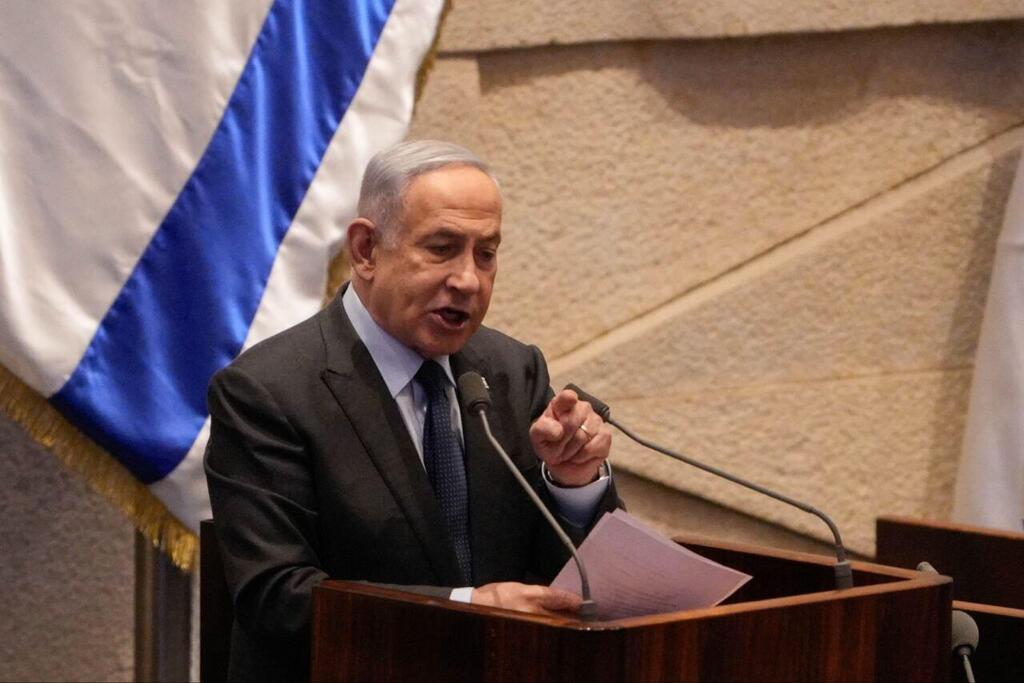
Security officials told attendees that roughly 1,000 youths are living in farms and hilltop outposts, many classified as “youth at risk.” About 300 are involved in violent incidents, though only around 70 are considered part of the “hard core.” The others, officials said, tend to be drawn in by that group or by adult activists.
A separate discussion was held on legal tools to address the hard-core group, but Netanyahu’s summary said that the priority for the broader 300 youths should be educational and social interventions aimed at pulling them out of violent activity. “Unfortunately, despite efforts, the number of youths involved has grown, not decreased,” the document says, attributing the rise to the absence of a single authority coordinating educational and social services for them.
The disclosure comes amid mounting scrutiny of settler violence in the West Bank and international calls for Israel to take stronger action against perpetrators. The government has faced internal tensions between ministers who champion the outposts and security officials who warn that radical settler violence undermines stability in the territory.