

Thirteen days after being appointed Iran’s supreme leader, Mojtaba Khamenei has not appeared in public or released any verifiable proof that he is alive, fueling speculation about his condition and who is currently leading the country.
Rumors about Khamenei, 56, have spread widely online and inside Iran since reports that he was wounded in the opening strike of the war, which also killed his father, longtime Supreme Leader Ayatollah Ali Khamenei. A member of his father’s office was cited as saying he had been injured in that initial attack.
Gallery
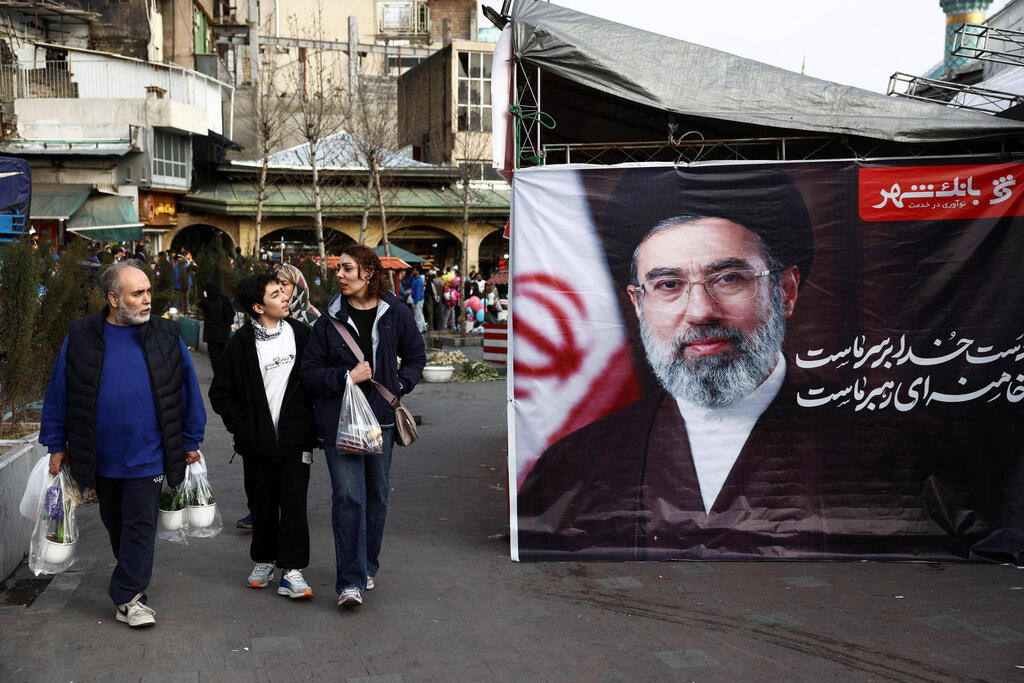
A portrait of Iran’s new supreme leader, Mojtaba Khamenei, displayed at a market in Tehran
(Photo: Majid Asgaripour/WANA (West Asia News Agency) via REUTERS)
U.S. President Donald Trump has declined to comment on Khamenei’s condition, while Prime Minister Benjamin Netanyahu publicly questioned this week whether he is effectively governing Iran.
“I’m not sure who is currently running Iran,” Netanyahu said at a news conference Thursday. “Mojtaba, the replacement ayatollah, has not been seen in public. Have you seen him? We haven’t, and we cannot confirm what exactly is happening there.”
A written message attributed to Khamenei was released Friday to mark Nowruz, the Persian New Year, as well as the end of Ramadan and the start of Eid al-Fitr. However, no visual or audio proof accompanied the statement.
In the message, Khamenei said Iran seeks good relations, particularly with Muslim countries, based on “religion, culture and shared interests,” and denied responsibility for reported attacks on Turkey and Oman, calling them a “Zionist enemy” ploy to spark conflict. He also expressed hope that the coming year would be “a difficult year for the enemies of Islam and humanity.”
A message published on behalf on Iranian Supreme Leader Mojtaba Khamenei


A separate message issued about nine days earlier, after his appointment, also came without a public appearance. In that statement, he pledged to continue closing the Strait of Hormuz, threatened to open “new fronts,” and demanded “compensation from enemies,” adding that he had learned of his appointment through television reports.
A U.S. intelligence official told Reuters that the lack of a public appearance raises questions about Khamenei’s condition, noting that his father traditionally marked Nowruz with a filmed address.
CNN reported earlier this month that Khamenei had been wounded on the first day of the war, suffering a broken foot, injuries around one eye and cuts to his face. He has not been seen publicly since.
In recent days, speculation about his condition has intensified, particularly on channels affiliated with the Iranian opposition. Some unverified reports have suggested his injuries are more severe and that he may have been placed on a ventilator or in a coma, though those claims have not been independently confirmed.
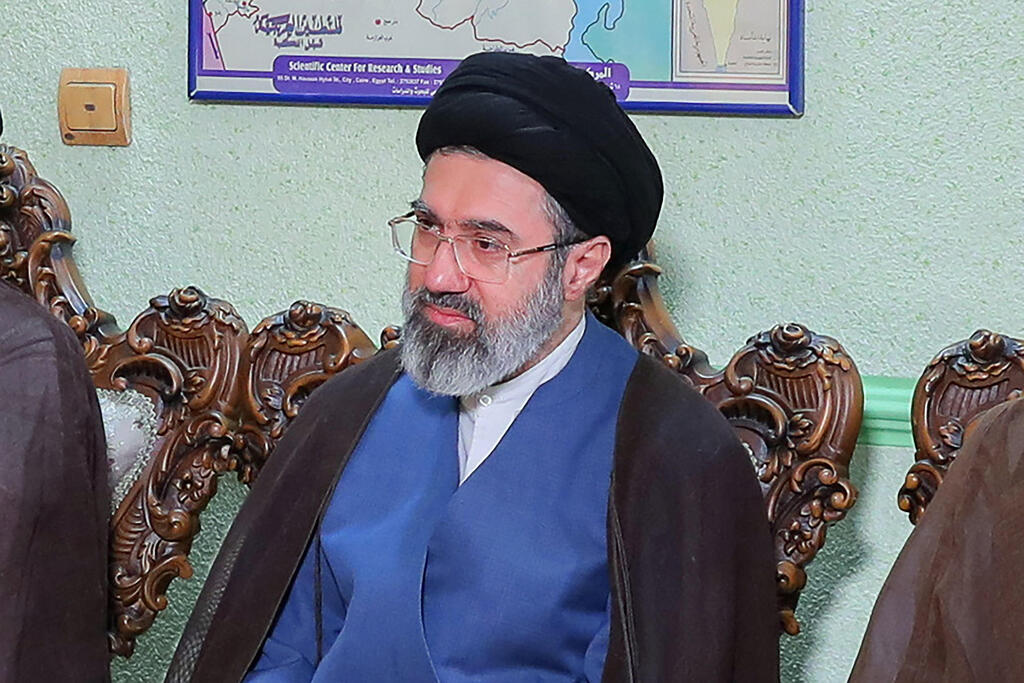
Mojtaba Khamenei
(Photo: KHAMENEI.IR / AFP)
Khamenei was appointed supreme leader for life. Under Iran’s constitution, the supreme leader is a Shiite cleric who holds ultimate authority over all state matters, including the military, foreign policy and domestic affairs, and serves as commander in chief of the armed forces, including direct control over the Islamic Revolutionary Guard Corps.
The position was established by Islamic Republic founder Ayatollah Ruhollah Khomeini, based on the doctrine that Shiite clerics should lead governance until the return of the Mahdi — a messianic figure in Islamic eschatology prophesied to appear before the Day of Judgment to eradicate injustice, restore true religion and establish a global Islamic golden age.
Although he had not held an official government role before his appointment, analysts have long described Mojtaba Khamenei as an éminence grise in his father’s circle, operating largely out of public view. The United States imposed sanctions on him in 2019, saying that despite lacking a formal title, he represented the supreme leader and played a role in advancing Iran’s regional policies.