

The conflict with Iran is not the only dispute in the Persian Gulf. Two Gulf states, Kuwait and Iraq, have been locked for years in a dispute over their maritime border, and in recent weeks, after an Iraqi fisherman was killed by Kuwaiti fire, the quieter Gulf conflict has once again moved to the forefront.
The maritime area between Kuwait and Iraq has featured in recent months mainly in the context of the regional war involving Iran and its proxies. But the Khor Abdullah waterway between the two countries has been a source of dispute and uncertainty for decades.
Gallery
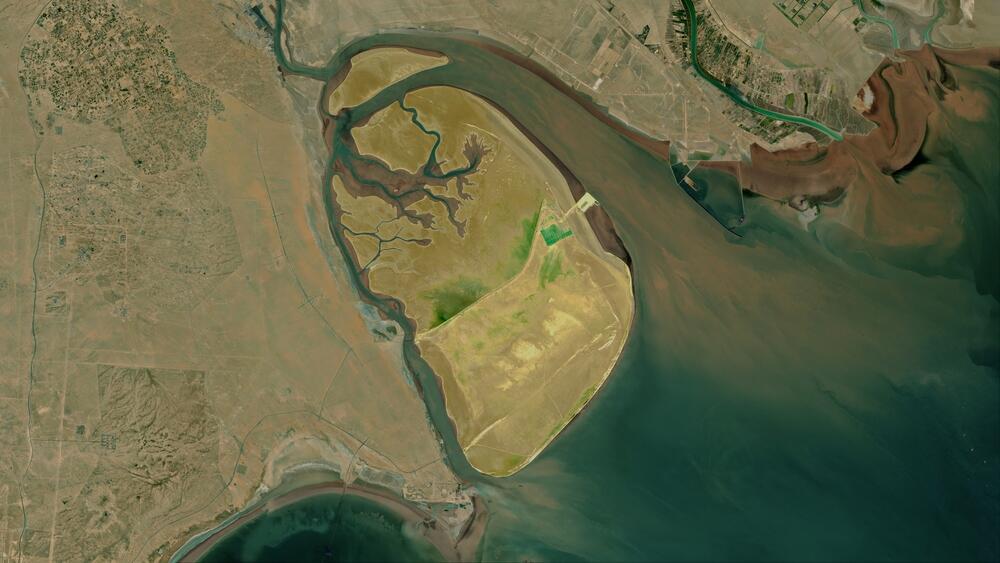
Satellite image showing Kuwait’s Bubiyan Island at center, with the Khor Abdullah waterway visible to the east, separating it from Iraq’s Al-Faw Peninsula
(Photo: zelvan/Shutterstock)
Khor Abdullah lies between Iraq’s Al-Faw Peninsula and two islands under Kuwaiti sovereignty, Warbah and Bubiyan. It is the main shipping route for vessels heading to Iraq’s Umm Qasr port and is of major strategic and economic importance to Iraq, which has limited access to the Persian Gulf. For Kuwait, the waterway is used by ships traveling to Mubarak Al-Kabeer Port, whose construction began in 2011 and is currently being developed in cooperation with China.
A report on the maritime dispute by Turkey’s Anadolu Agency said tensions between Kuwait and Iraq over Khor Abdullah date back more than 90 years, to 1932. Baghdad then demarcated the border with Kuwait, which Iraq formally recognized only in 1963, but the status of the waterway between the two countries remained unresolved.
Years later, after Saddam Hussein’s Iraq invaded Kuwait and the first Gulf War broke out, the United Nations moved to demarcate the border between the two states. In 1993, a U.N. boundary commission published the border, marking numbered geographic points from land out to sea. The final maritime point was Point 162, at the entrance to Khor Abdullah. The commission defined the waterway itself as a shared border area requiring joint navigation regulations.
Flags of Kuwait and Iraq; a dispute spanning nearly 100 years
(Photo: Shutterstock)
In 2012, Kuwait and Iraq signed the Khor Abdullah agreement to regulate maritime navigation and protect the interests of both countries. Seven years later, however, Iraq complained to the U.N. Security Council that Kuwait had made geographic changes in the maritime area beyond the agreed Point 162 in an effort to establish facts on the ground.
Another turning point came in September 2023, when Iraq’s Federal Supreme Court ruled that the law approving the agreement regulating navigation in Khor Abdullah was unconstitutional because it had not been approved by the required parliamentary majority. In 2025, Iraqi President Abdul Latif Rashid and then-Prime Minister Mohammed Shia al-Sudani appealed the ruling, but no progress was reported.
The dispute did not end there. This year, amid the war with Iran and attacks launched against several Gulf states, including Iraq and Kuwait, tensions over the maritime border only escalated.
In February, Kuwait’s Foreign Ministry summoned the Iraqi Embassy’s chargé d’affaires to protest Iraq’s submission of a maritime map and coordinates to the United Nations, presenting Baghdad’s claims over Iraqi maritime areas. Iraq described the move as a “sovereign act,” but Kuwait viewed it as an infringement on its sovereignty over areas it said had never been in dispute. Saudi Arabia, Qatar, the United Arab Emirates, Bahrain and Oman all backed Kuwait.
Tensions rose further in July when an Iraqi fisherman named Najm Abdullah was killed in a maritime incident involving the Kuwaiti coast guard. According to reports, the coast guard opened fire in an attempt to stop an Iraqi fishing boat that had entered waters Kuwait considers part of its territorial sea. Five fishermen from the Al-Faw area of Basra were aboard. Abdullah was killed, and another fisherman was wounded.
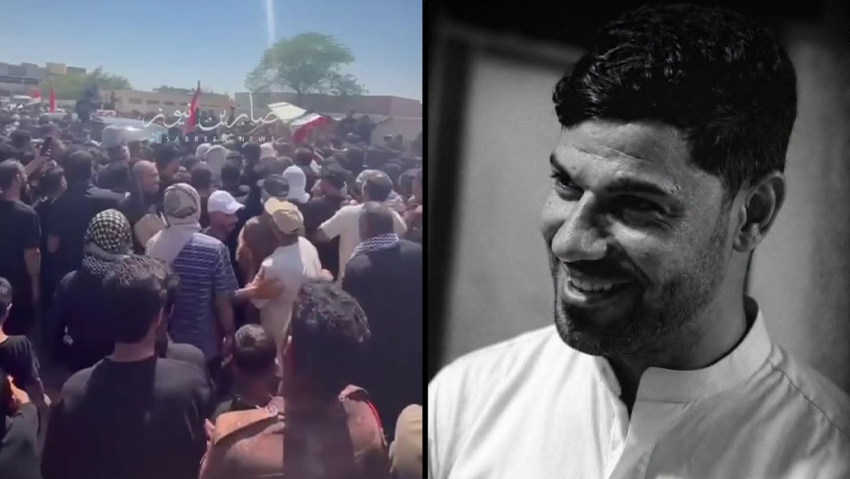
Funeral of Iraqi fisherman Najm Abdullah, who was killed by Kuwaiti coast guard fire
Iraqi Foreign Minister Fuad Hussein later announced that Kuwaiti authorities had agreed to release the Iraqi fishermen. They were eventually freed along with Abdullah’s body, but the move did not defuse public anger in Iraq.
While Iraq’s Foreign Ministry said the Kuwaiti force had not deliberately caused casualties, voices in Iraq called on the government to investigate the incident, take a tougher stance toward Kuwait and defend Iraqis’ rights and dignity. Some protesters outside the Kuwaiti Consulate in Basra even demanded the handover of the “fisherman’s killer,” demonstrations that Kuwait condemned.
A report by Saudi network Al-Arabiya noted that this was not the first incident of its kind and that Iraqi fishermen had previously been detained on allegations that they entered Kuwaiti territorial waters. In most cases, the disputes were resolved through diplomatic contacts between the two countries. The latest incident was different, however, because one of the fishermen was killed.
The shooting broadened political and media attention around the border dispute and raised questions about rules of engagement and enforcement of maritime law in the border area.
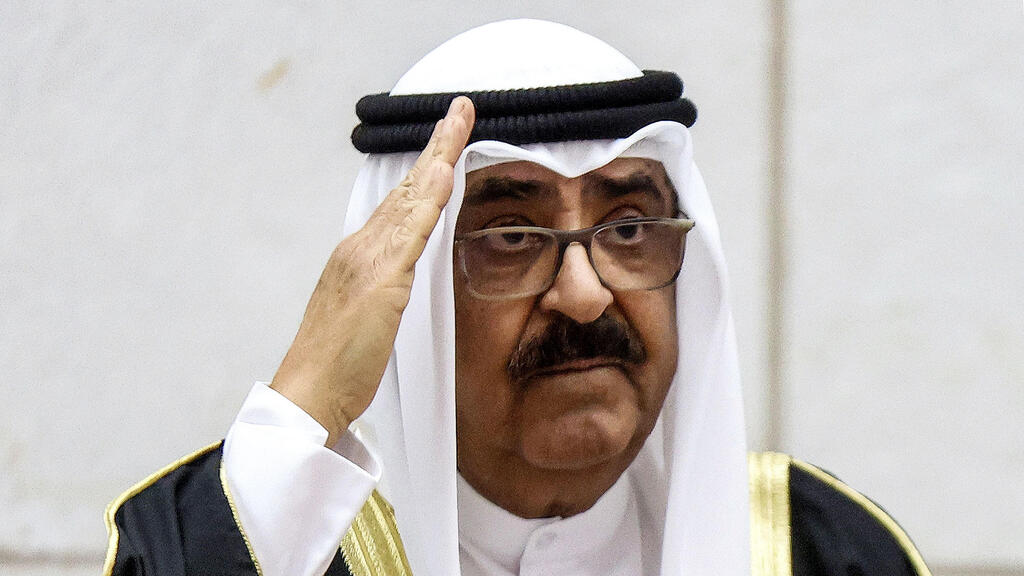
Kuwaiti Emir Mishal Al-Ahmad Al-Jaber Al-Sabah; his country was reportedly attacked by drones bearing the words: 'Revenge for the Iraqi fisherman'
(Photo: Yasser Al-Zayyat / AFP)
The sensitive areas between Kuwait and Iraq have also repeatedly surfaced in recent months in connection with regional tensions involving Iran. Iran has attacked various facilities in Kuwait, while Iraq, home to several pro-Iranian militias, has faced attacks targeting those militias as well as Iranian strikes aimed at the Kurdistan Region.
On Aug. 1, Kuwait said Iranian drones had targeted Bubiyan Island. In May, it also claimed that Iran’s Revolutionary Guard had sent armed men in fishing boats in an effort to infiltrate the island.
In July, Iraq reported that an unidentified drone struck a container yard at Al-Faw port in Basra province. On July 15, channels affiliated with the Iranian axis published images of what they said were Iranian drones that had attacked Kuwait. Written on them were the words: “Revenge for the Iraqi fisherman Najm Abdullah.”