

European Union foreign ministers will discuss a proposal next week for the bloc to lead the training of 3,000 Palestinian police officers from Gaza, according to a document reviewed by Reuters on Friday.
A paper prepared by the EU’s diplomatic service ahead of the ministers’ Nov. 20 meeting outlines options for supporting a 20-point Gaza plan put forward by U.S. President Donald Trump. Israel and Hamas agreed in October to the first phase of the plan, but the next steps remain highly uncertain.
In the document, the European External Action Service proposes expanding the bloc’s two civilian missions in the region, which focus on border assistance and supporting policing and justice reforms within the Palestinian Authority.
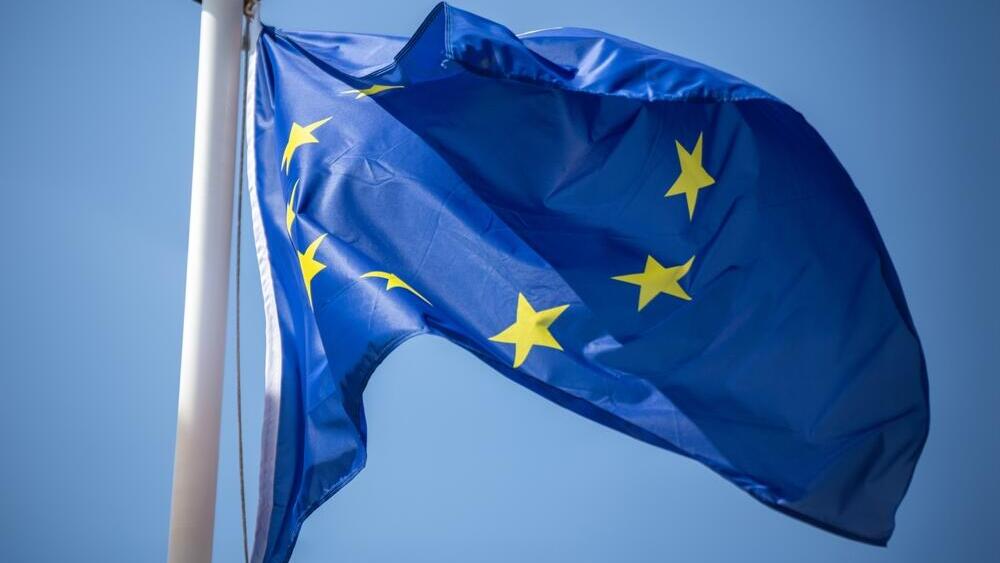
EU to train Gaza police
(Photo: U. J. Alexander / shutterstock)
The EU’s police support mission could “take leadership in training the Palestinian police force in Gaza by providing direct training and support to approximately 3,000 Palestinian police officers on the Palestinian Authority payroll, with a view to training the full 13,000-member force,” the paper said.
The document also raises the possibility of enlarging the EU’s civilian border monitoring mission in Rafah to include other crossing points.
It remains unclear whether the EU will move forward with any of the proposals. On Thursday, Russia introduced its own draft U.N. resolution on Gaza, challenging a U.S. effort to secure Security Council backing for Trump’s plan.