


Iran may not want a war with Israel at this time, but it is exerting heavy pressure on Hezbollah to join if fighting ultimately breaks out. Israel, for its part, is closely monitoring developments and has delivered very clear warnings to Hezbollah that if it chooses to intervene, the blow this time will be extremely painful.
At the same time, Iran is taking additional steps to increase pressure on Hezbollah, some of them under the radar. Among other moves, and within what can be reported publicly, Iranian Foreign Minister Abbas Araghchi visited Lebanon last month. The visit was intended to ensure that in the next war, Hezbollah terrorists will not sit on the sidelines.
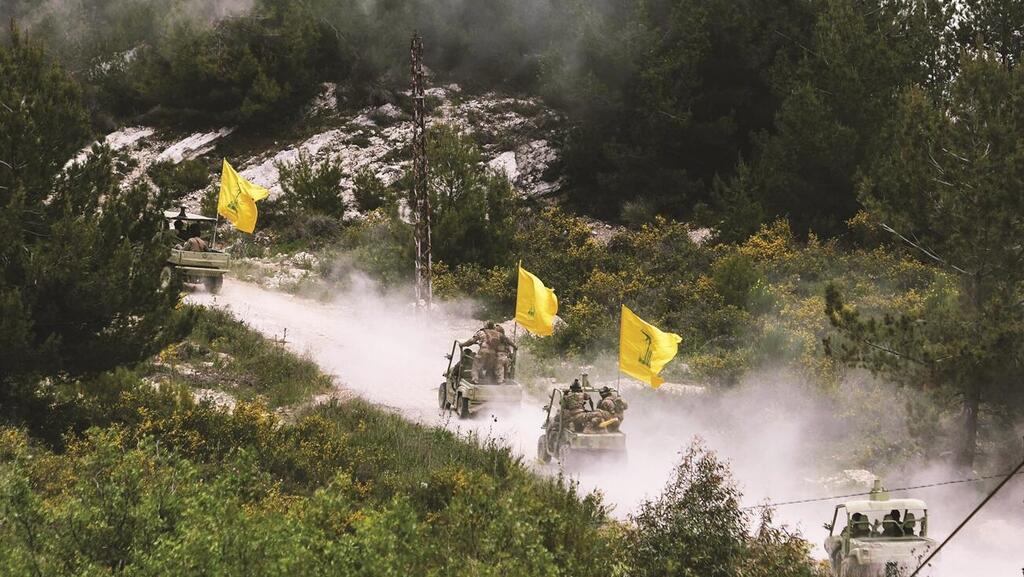
The IDF have already prepared a plan for a significant strike against Hezbollah, following the group’s rehabilitation efforts over the past year. At the same time, Israeli defense capabilities against Hezbollah’s missiles and rockets are considered strong, with proven and improved interception rates. In a future confrontation, Israel’s laser defense system is expected to be fully operational, further reducing Hezbollah’s incentive to enter another round of fighting.
Israel is not taking any chances. It has formulated an offensive plan against the group and continues to regularly strike targets in Lebanon. However, Hezbollah’s rate of recovery appears to be outpacing the IDF’s ongoing efforts to degrade its capabilities.
According to assessments, the scope of Iranian aid to Hezbollah has reached a peak, surpassing $1 billion over the past year. Despite Iran’s economic crisis, this marks a record year in terms of assistance to the organization, which is seeking additional support. The funds are transferred mainly in cash and gold through money changers and shell companies in order to circumvent international sanctions.
For decades, Iran has invested in building up the terrorist organization along Israel’s northern border with one clear objective: to serve as a deterrent in routine times and, in wartime, to act as Iran’s second-strike capability if its nuclear facilities are attacked, responding with tens of thousands of rockets. Iranian officials were deeply disappointed that Hezbollah remained largely on the sidelines during the 12-day war, and they now appear intent on ensuring that does not happen again.
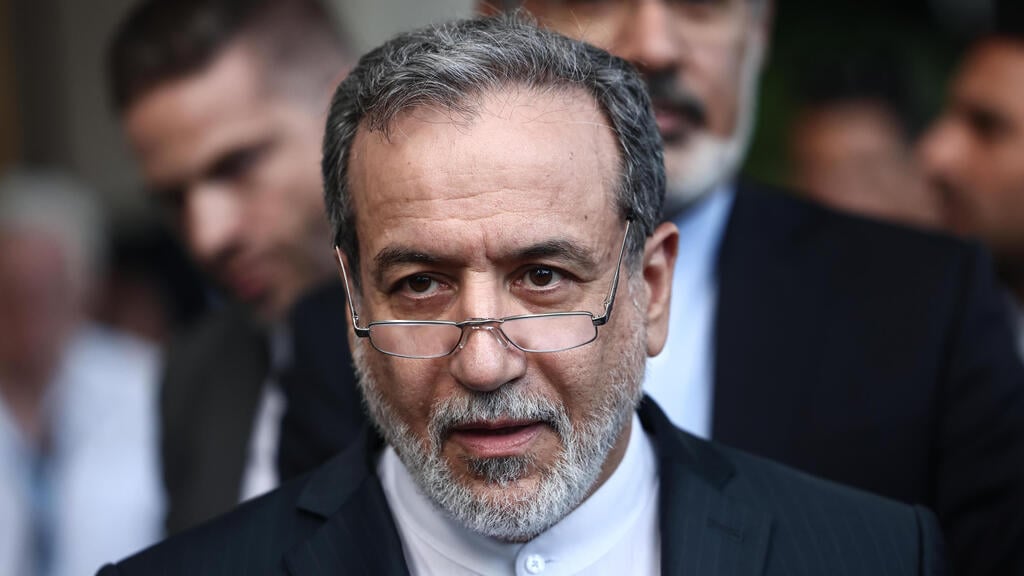
Iranian Foreign Minister Abbas Araghchi
(Photo: Sedat Suna/Getty Images)
Iran provides Hezbollah with knowledge, training, technology and weapons, including rocket systems and missiles. Regional coordination is carried out through the Quds Force as part of the so-called “Axis of Resistance,” which includes Iran, Hezbollah, militias in Iraq, the Houthis in Yemen and other allied groups. Especially during periods of tension with Israel, senior Iranian officials conduct visits such as Araghchi’s trip to Lebanon to coordinate among the various arenas. As a result, Israel is also preparing for the possibility that additional Iranian proxies could join the fighting if it erupts.