

Thousands of Lebanese displaced by Israeli evacuation warnings in the south are struggling to find shelter as some communities and landlords refuse to host them, fearing they could be linked to Hezbollah and that their homes could become targets of Israeli strikes.
The IDF’s Arabic-language spokesperson on Thursday renewed calls for residents of southern Lebanon to evacuate north of the Litani River, prompting a new wave of displacement after some residents had only recently returned to their homes during months of relative calm.
Lebanese masses fleeing the country's south


According to Lebanon’s Social Affairs Minister Haneen Sayed, 18,033 families — about 83,000 people — have been displaced from southern Lebanon due to Israeli strikes. She said 399 shelters have been opened across the country but many are nearing capacity, particularly in the southern city of Sidon and in Beirut.
“We will distribute an electronic link to all displaced people in homes and shelters for registration so we can accurately assess their numbers and contact them to provide assistance,” Sayed said, adding that the government has asked the army and security forces for an initial assessment of conditions on the ground.
But reports in Lebanese media suggest the displaced are encountering growing resistance in other parts of the country.
Some municipal leaders and local authorities have refused requests from the Education Ministry to open public schools as shelters, according to the pro-Hezbollah newspaper Al-Akhbar. In some towns, local regulations require prior municipal approval before apartments can be rented to displaced people, and some landlords have declined to rent out their properties.
The refusals stem partly from fears that potential tenants could be Hezbollah members or officials, which could turn the buildings into targets for Israeli strikes, according to the reports.
Lebanese television channel Al-Jadeed reported Thursday that a resident of the eastern town of Majdal Anjar was fined 100 million Lebanese pounds — about $1,100 — for hosting a displaced person without notifying the municipality in advance, in violation of local regulations. Municipal officials said the measure was intended to maintain order and protect the public interest.
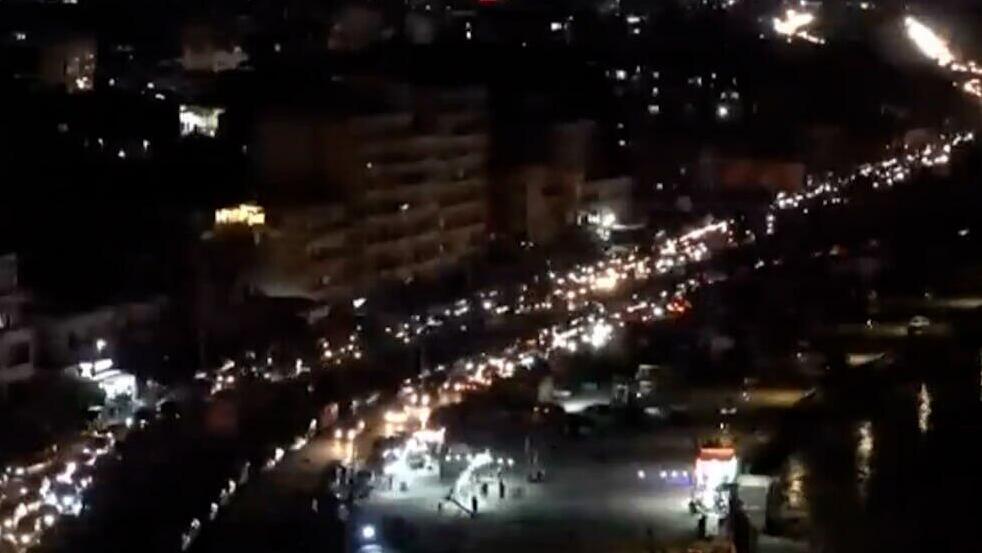
Lebanese media reports say the number of displaced has reached about 84,000 and that aid and donations remain scarce.
The government has reportedly sought to prevent large numbers of displaced residents from reaching northern Lebanon and the Mount Lebanon region, instead directing them to shelters in a geographic sequence from south to north. But many displaced people have traveled directly to northern areas on their own, where shelters have not been opened for them.
Interior Ministry officials there have turned some families away, saying local schools are reserved for the families of soldiers and security personnel rather than the general public, according to Al-Akhbar.
As shelters fill up and rents remain high, some displaced families — particularly those from villages farther from the Israeli border — have been forced to return to their homes in the south despite the risks, the newspaper reported.
Others who have managed to rent apartments are beginning new lives in unfamiliar areas, often in empty units lacking basic equipment.
Lebanon’s interior minister, Ahmad al-Hajjar, has been monitoring the situation from the ministry’s operations room and coordinating with officials across the country to review measures aimed at assisting displaced residents, Lebanese media reported.
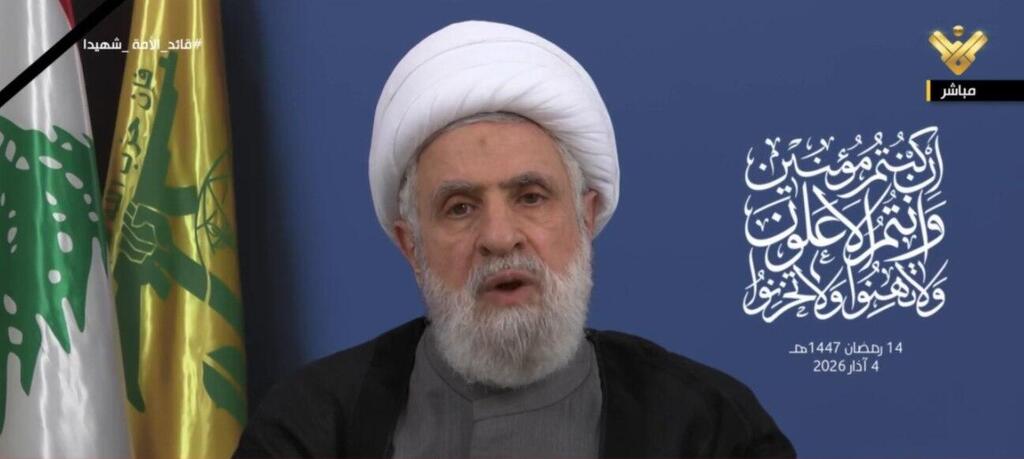
Hezbollah Secretary-General Naim Qassem
Hezbollah Secretary-General Naim Qassem, speaking Wednesday, rejected criticism of the group’s role in the crisis and blamed Israel for the displacement.
“The displacement is intended to create a rift between Hezbollah and the people, but the people know it happened because of Israeli aggression,” Qassem said.
“The displaced are our fathers, our sons and our families — the families of the martyrs, the wounded and the prisoners. No one can create a rift between us. Hosting the displaced at this stage is a national responsibility that everyone must share,” he added.