

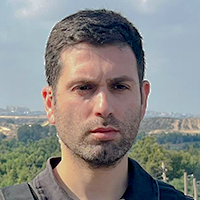
The name of an Israeli intelligence officer charged with serious security offenses who was found dead under mysterious circumstances in his cell at a military prison has been released for publication after more than four years. Capt. Tomer Eiges, 24, was found dead in his prison cell on the night of May 16, 2021, without a cause of death ever being determined. Details of the case, in which he was accused of causing grave harm to state security, were placed under a sweeping gag order and were not permitted for publication.
The affair was first exposed by ynet, and over the years courts repeatedly rejected requests to allow publication of Tomer’s full name and photograph. His identity has now been cleared for publication at the request of public broadcaster Kan 11. Footage from a program hosted by investigative journalist Omri Assenheim and set to air Sunday at 9:30 p.m., shows Eiges collapsing in his prison cell just three weeks before his death.
Gallery
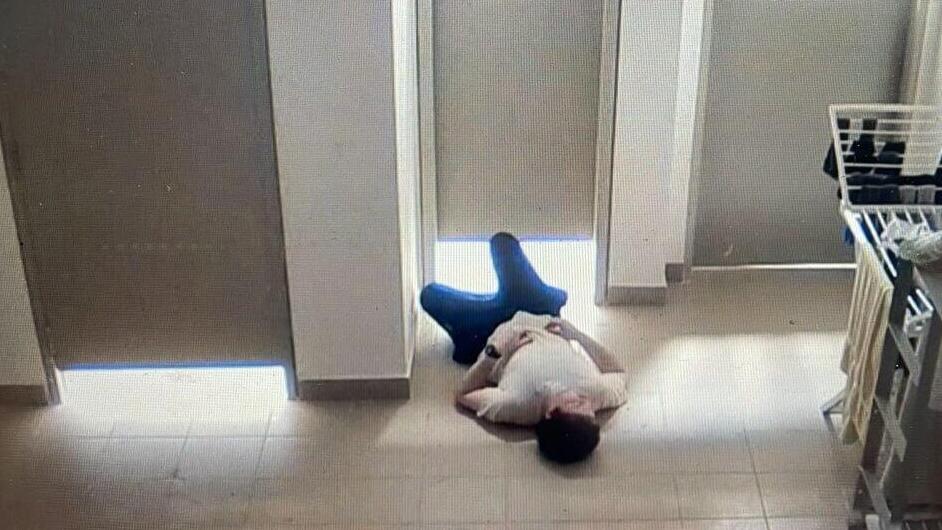
Tomer Eiges' first collapse in the military prison, about a month before his death; From Kan 11
(Photo: From Facebook according to Section 27A)
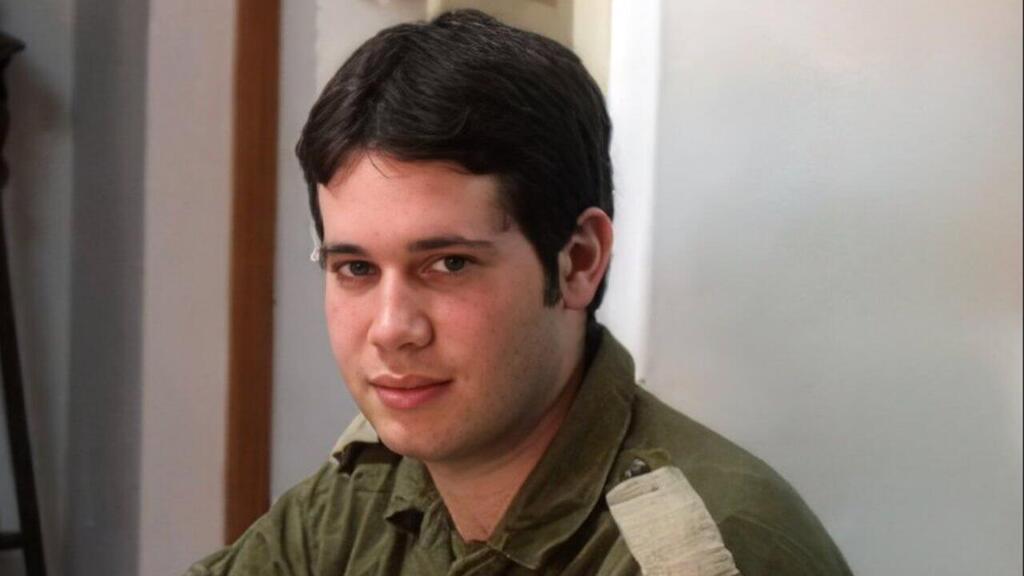
Capt. Tomer Eiges, 24, was found dead in his prison cell on the night of May 16, 2021
(Photo: From Facebook according to Section 27A)
In the weeks preceding his death, Eiges collapsed twice at Neve Tzedek Prison and was found on the floor showing signs of seizures and confusion, reporting that he had swallowed a large quantity of medication. Despite this, he was not placed under supervision. The first time, about a month before his death, Eiges collapsed in the bathroom cell, crawled back into the room and tried to signal with his hands to the security cameras.
On the night of May 16, 2021, he was again found in serious condition and evacuated to Laniado Hospital, where he was pronounced dead. A blood sample sent for laboratory testing in the United States found no abnormal concentration of medication in his system.
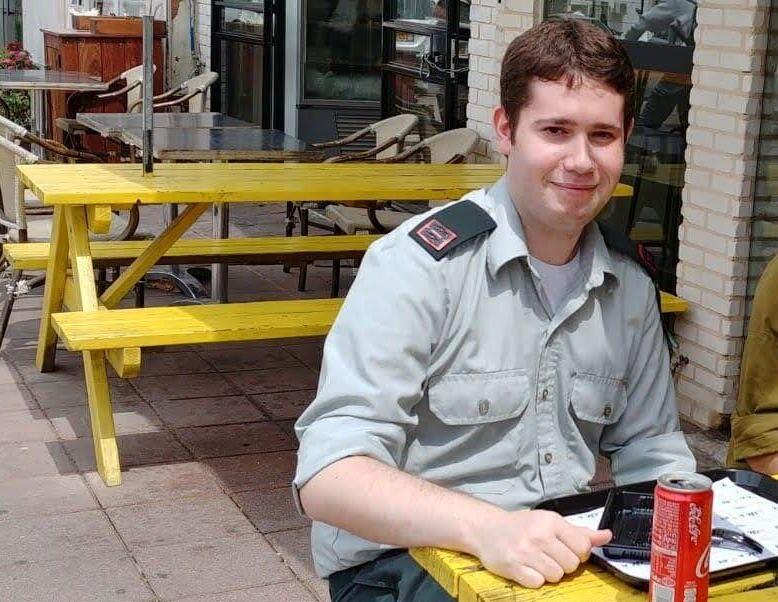
Capt. Tomer Eiges
(Photo: From Facebook according to Section 27A)
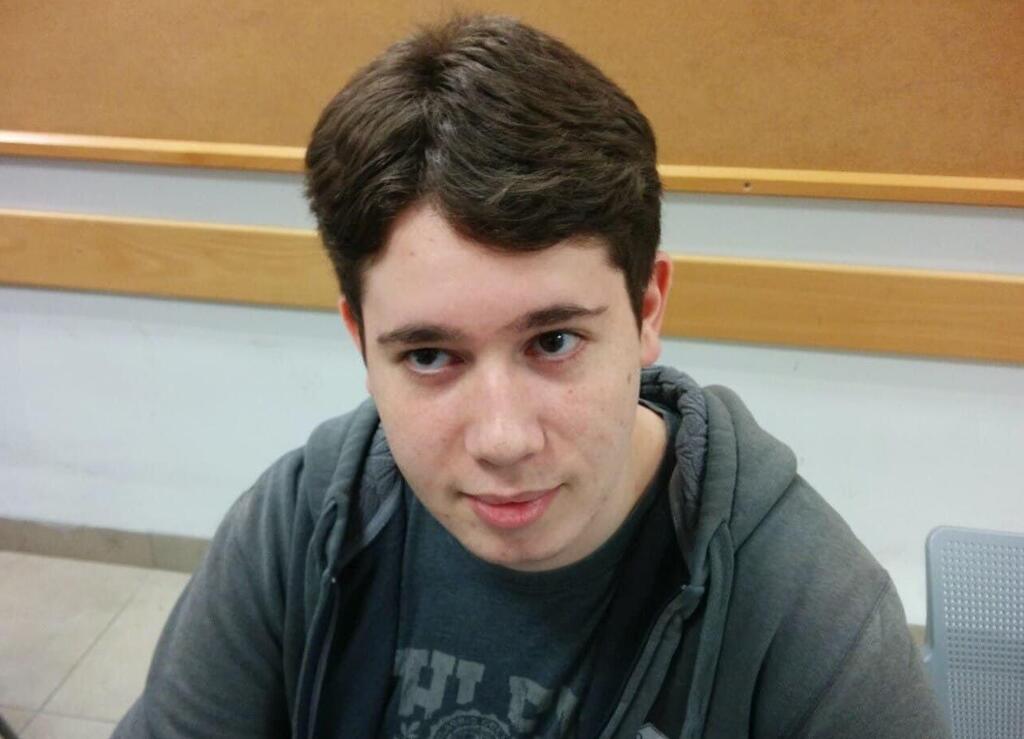
Tomer, the son of Ronit and Ron, who also is survived by two sisters, was considered a gifted child. He enlisted in March 2016 in the Intelligence Directorate and served in a technological unit. In September 2020, a serious indictment on security offenses was filed against him, and a comprehensive gag order was imposed on all details of the case. He was held in custody pending trial, remained in contact with his family and was housed in a cell with other detainees. He faced a possible sentence of about a decade in prison.
According to findings consolidated about a year ago into a legal opinion, despite extensive investigative efforts, the official cause of death remains unknown. Were it not for investigative flaws, the findings could have shed light on the leading assessment — that there is no evidence the officer took his own life in his cell and that he most likely suffered from a medical condition that was not properly treated.
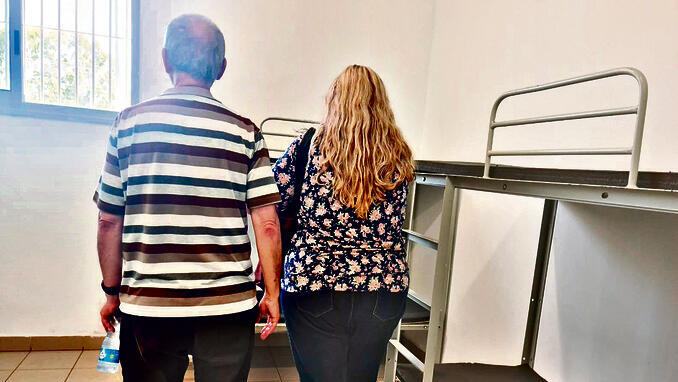
His parents
The opinion found investigative failures by the Internal Investigations Unit that could not be remedied. Among them were a bottle found in his cell that was not examined and a security camera that was not operating. The IDF estimates that without these failures, it might have been possible to solve the case, which also involved pathological examinations in laboratories in the United States.
Afterward, his parents said: “Our son died in prison under mysterious and disturbing circumstances — we deserve full and honest answers. Beyond the immense personal pain of the loss, we were also forced to contend with attempts to tarnish his name and to refute all kinds of theories about the circumstances of his death.
“For many, it was easy to hurl baseless claims about him because there was no one to respond. We promised ourselves to fight to understand how a young, healthy officer who was in a secured and fully monitored facility 24/7 met his untimely death. After we succeeded in our struggle to have him recognized as an IDF fallen soldier, the time has come, even if belatedly, to hear the truth — the whole truth.”