

The reported death of an 11-year-old Iranian boy while manning a security checkpoint in Tehran has drawn attention to what witnesses and rights groups say is a widening effort to recruit children into security roles during wartime.
Alireza Jafari was killed alongside his father in what his mother said was an air strike as the two assisted Basij militia patrols at a checkpoint on March 11. She told the municipality-run Hamshahri newspaper they were helping “maintain the security of Tehran and its people.”
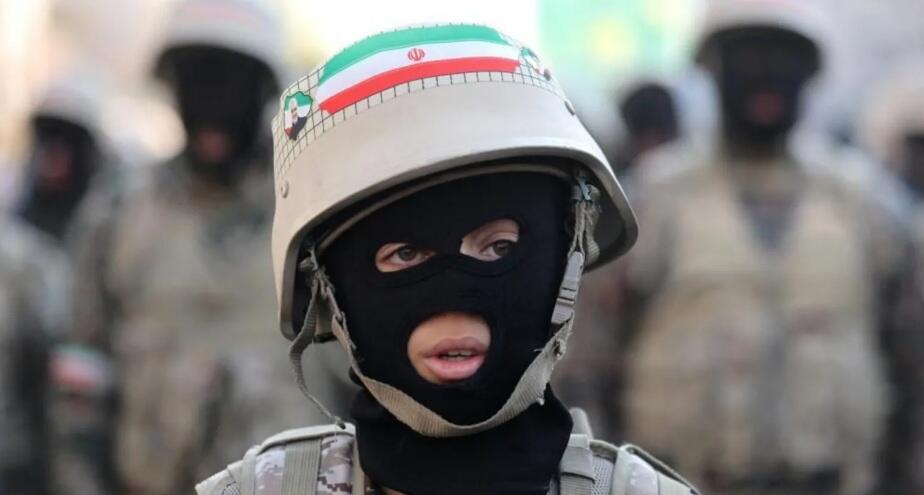
A member of Iranian volunteer militia (Basij)
(Photo: Reuters)
According to his mother, there were not enough personnel at the checkpoint, with “only four people” present. His father took the boy with him, saying he needed to be “ready for the days ahead.”
She quoted her son as saying, “Mum, either we win this war or we become martyrs. God willing, we will win, but I would like to become a martyr.”
The newspaper reported they were hit by an “Israeli drone strike.” The Israel Defense Forces said it could not verify the incident without specific coordinates.
The case comes as an Islamic Revolutionary Guard Corps official in Tehran said the organization would begin enrolling “volunteers” aged 12 and above as part of a new initiative known as Homeland Defender Fighters for Iran.
Witnesses in multiple cities told the BBC they have seen children, including some carrying weapons, assigned to patrols and checkpoints.
Golnaz, a woman in her 20s from east Tehran, said she saw armed teenagers operating with Basij forces after an air strike earlier this month. Sara, also in her 20s, described a similar encounter.
“He was holding a gun at the cars. He and the others were stopping cars and searching them. He was short and slight,” she said of a teenager she saw at a checkpoint.
Other accounts point to similar scenes beyond the capital. Peyman, from Karaj, said he saw a “teenage boy” with a Kalashnikov at a checkpoint. “His moustache hadn't fully grown,” he said.
In Rasht, Tina described young people stationed in a public square.
“They were wearing masks, so their faces were covered. But it's obvious that they are children; I can see it from their eyes. They are short as well. They stand in front of those adult forces. I feel pity for them and I get scared at the same time.”
The Basij, a volunteer militia controlled by the IRGC, has an estimated one million members and is frequently deployed to enforce internal security. Recruitment for the new program is expected to take place through mosques and public gatherings tied to pro-government events.
Human rights organizations say the use of minors in such roles raises serious legal concerns. Human Rights Watch said recruiting children under 15 for military or security duties constitutes a “grave violation of children's rights and a war crime.”
“There is no excuse for a military recruitment drive that targets children to sign up, much less 12-year-olds,” said Bill Van Esveld of HRW. “What this boils down to is that Iranian authorities are apparently willing to risk children's lives for some extra manpower.”
Legal experts warn the risks extend beyond legality.
“Under international law, the use of children in security or military roles is tightly constrained and, in many contexts, unlawful,” said Pegah Banihashemi of the University of Chicago Law School.
She added that deploying minors can heighten instability, as “untrained minors operating under pressure, often with limited command structure and insufficient understanding of force, can unintentionally escalate violence and endanger civilians.”
Analysts say the move reflects a deeper strain within the system. Holly Dagres, an Iran specialist at The Washington Institute, said the use of children at checkpoints “underscores the desperation of the Islamic Republic.”
She said it shows “how deeply unpopular they are with their own population that it is struggling to recruit adults to staff security checkpoints and is resorting to using children in support roles during wartime.”