

Silvio Berlusconi, the billionaire former Italian prime minister who died in 2023, is often remembered as the politician who helped pave the way for U.S. President Donald Trump: control of media, a taste for spectacle and, above all, the use of legislation in ways that fueled accusations of conflicts of interest.
Berlusconi promoted laws that appeared tailored to protect and benefit his family’s sprawling business empire. His annual income disclosures also showed he received tens of millions of dollars while serving as prime minister.
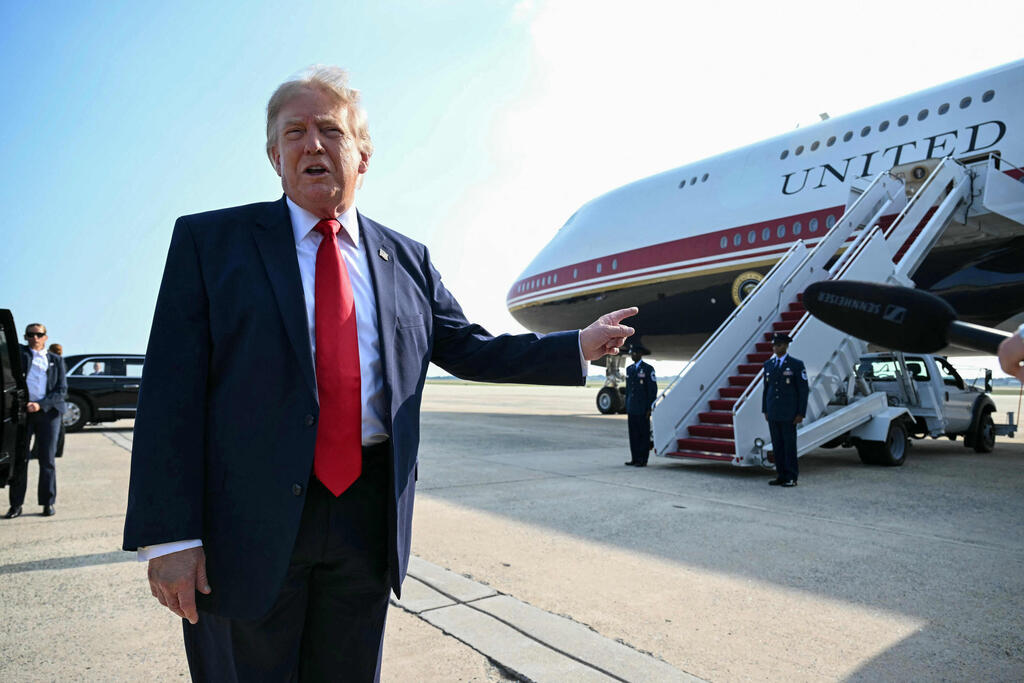
But a comparative analysis by The New York Times, examining Trump alongside other world leaders, said new financial disclosures this week showed that the U.S. president earned at least $2.2 billion during his first year after returning to the White House, including about $1.4 billion from his family’s cryptocurrency ventures.
Trump’s earnings are a sum once considered unimaginable for any leader of a liberal democracy, let alone a sitting U.S. president. The Times noted that no modern Western leader has publicly disclosed such enormous earnings while in office.
Experts who spoke with the newspaper said the scale of the Trump family’s profits places him in a category of enrichment more commonly associated with powerful leaders in Russia and Turkey. The earnings stand out even more sharply because the United States has long presented itself as a global leader in financial regulation, anti-corruption efforts and the rule of law.
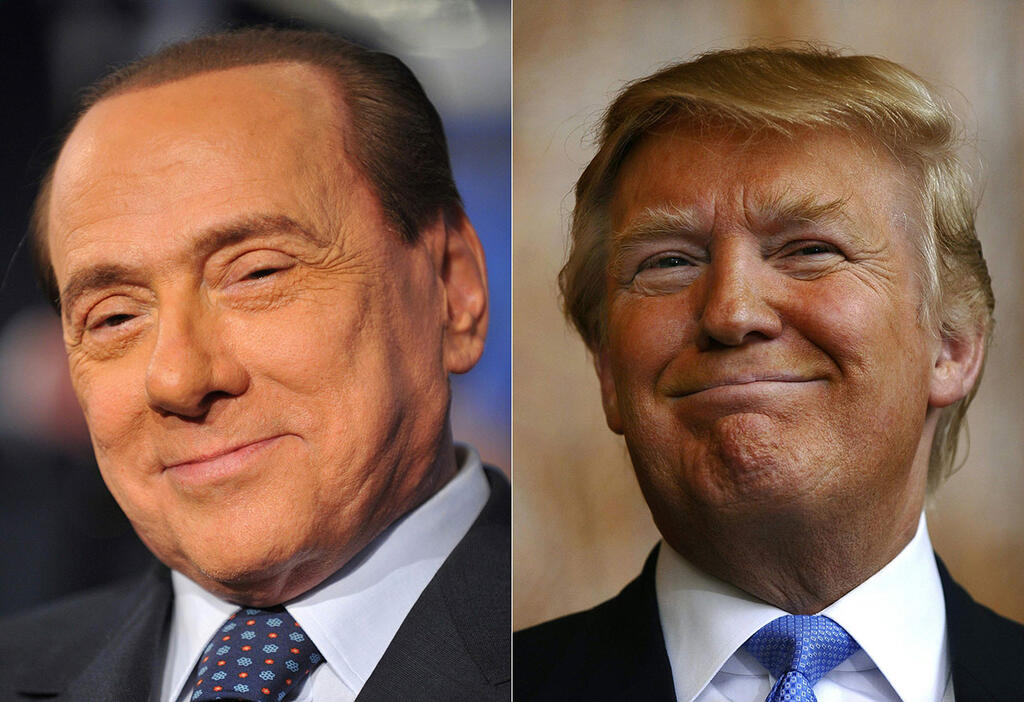
Trump and Berlusconi
(Photo: AFP)
Trump’s crypto profits highlight a particularly striking conflict-of-interest concern: as president, he oversees regulation of an industry from which he, as a businessman, is making enormous sums.
The White House denied that Trump or his family had acted under any conflict of interest. Trump himself rejected the claims this week, saying, “I never talk to the people that manage my money.”
According to experts interviewed by The Times, the refusal to acknowledge the existence of a conflict of interest is now making it harder for corruption researchers in both large and small countries to challenge conduct that, before Trump’s presidency, would have drawn condemnation from the United States.
“The way the U.S. behaved had a major impact in shaping international norms,” said Prof. Liz David-Barrett, director of the Centre for the Study of Corruption at the University of Sussex. She said Trump’s vast earnings have undermined the idea that “there is a standard that we should all be aspiring to.”
She added that it is now easier for leaders around the world to ask: “Why should I regulate my behavior, when the most powerful country in the world is not putting similar limits on its president?”
The Times stressed that Trump is far from the only leader accused of using public office for private gain. Alongside a series of world leaders, the newspaper also mentioned Prime Minister Benjamin Netanyahu, who has been charged with bribery, fraud and breach of trust. The Times wrote that Netanyahu is accused of providing regulatory benefits to prominent businessmen in exchange for gifts or favorable media coverage.
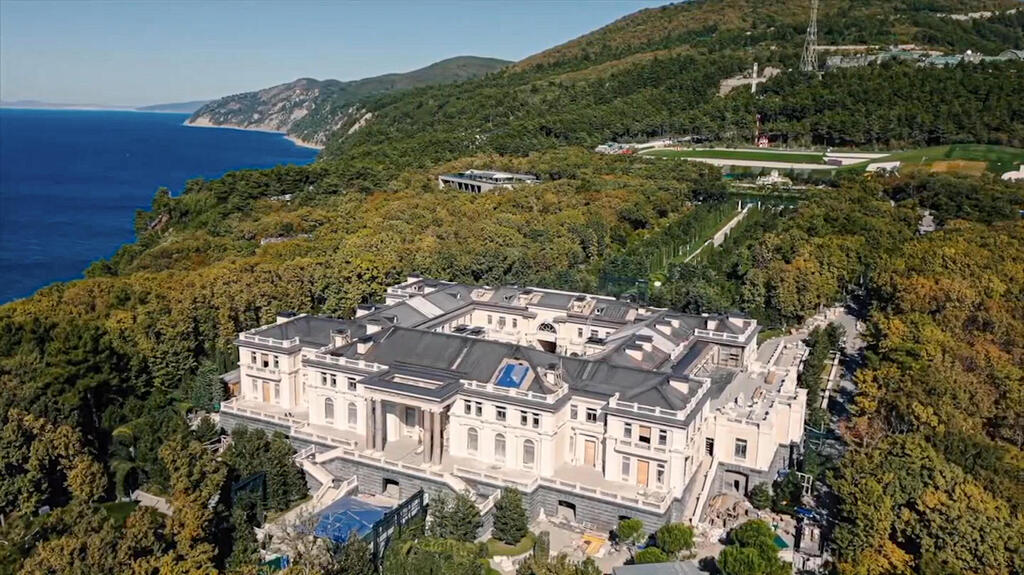
Putin’s Black Sea palace
(Photo: AP)
Also mentioned were Berlusconi, who rose to power after a major bribery scandal brought down Italy’s ruling political class; former Spanish prime minister José Luis Rodríguez Zapatero, who has been investigated on suspicion of leading an influence-peddling and money-laundering network, allegations he denies; and current Spanish Prime Minister Pedro Sánchez, who recently had to defend himself in parliament over corruption allegations involving his wife, brother and political allies.
But experts who spoke with The Times said the scale of the Trump family’s earnings puts him in a different league from all of them. Trump and his family have not been accused of breaking any law to obtain those profits, and Trump is exempt from rules that generally require senior U.S. officials to sell holdings in companies that could benefit from their political decisions.
The newspaper compared Trump’s situation to that of Russian President Vladimir Putin. Officially, Putin owns only a modest apartment, two old Soviet cars, an SUV and a Soviet-era trailer. In practice, critics say, he stands at the center of a network of oligarchs and state power that has made him one of the richest people in the world.
The anti-corruption foundation founded by Alexei Navalny, the Russian opposition activist who died in a Russian prison in 2024, has claimed that Putin accumulated a long list of personal assets. According to the foundation, they include estates across Russia, yachts in Europe and a vast palace complex on the Black Sea coast estimated at about $1.3 billion, including a multi-level underground bunker system, a private tunnel to the beach, extensive luxury vineyards and a hockey rink. Putin has denied that the property belongs to him.
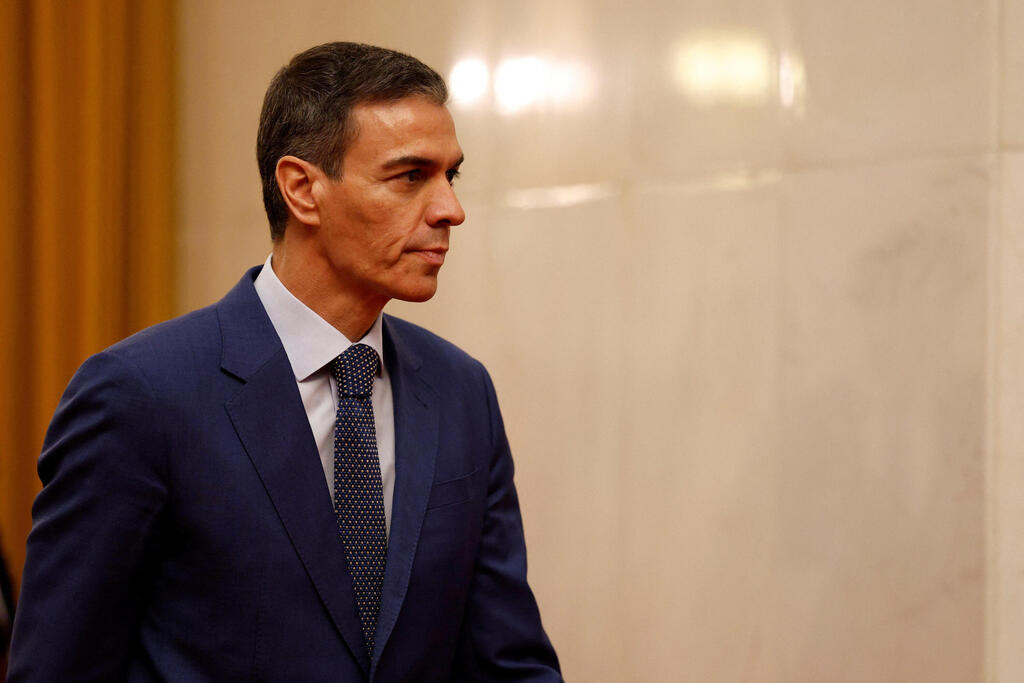
Spanish prime minister, also recently investigated
(Photo: Haruna Furuhashi/Pool via REUTERS)
David-Barrett said the Trump family’s business ventures also resemble political dynasties in Asia, where leaders have been accused of conflicts of interest between their political power and their families’ business empires.
The family business, the Trump Organization, has licensed the Trump name to properties in countries dependent on U.S. government support, including Saudi Arabia and Qatar. The White House has repeatedly rejected conflict-of-interest allegations, saying Trump’s children, not the president himself, run the company. David-Barrett said rising political polarization in many countries makes it easier for leaders to avoid accountability.
“In a polarized society, voters tend to see allegations against the leaders they chose as a political attack, rather than a legitimate source of concern, so they tend to dismiss their importance,” she said. “Even when they believe the allegations are true, their loyalty to their parties and leaders may cause them to overlook wrongdoing.”
As Trump himself said in January about his business deals: “I learned that nobody really cares.”
Experts told The Times that voter indifference has weakened the ability of traditional checks and balances to hold leaders accountable.
“When voters doubt the importance of allegations against their leaders, they may ultimately reject the legitimacy of the oversight bodies raising those allegations,” said Fernando Jiménez Sánchez, a political scientist at the University of Murcia in Spain who specializes in corruption research.
For many voters in countries led by populist leaders, he said, checks and balances are seen simply as another part of the political elite they oppose.
Since Watergate, Jiménez Sánchez said, the United States helped set the international standard for fighting corruption. Now, he said, Trump is setting a different standard, one that could weaken democracy’s safeguards and pave the way for conflicts of interest among other leaders as well.