

Talks between the United States and Iran have yet to begin, amid accusations in Tehran that Washington’s proposal for negotiations is a trap ahead of a possible ground invasion. Still, diplomatic efforts to end the war are intensifying.
Foreign ministers from Pakistan, Saudi Arabia, Turkey and Egypt met Sunday in Islamabad as part of mediation efforts. Officials familiar with the discussions told Reuters the talks focused on ways to reopen the Strait of Hormuz, a strategic waterway through which about one-fifth of global oil and gas supply passes and which Iran has effectively choked during the war.
Gallery
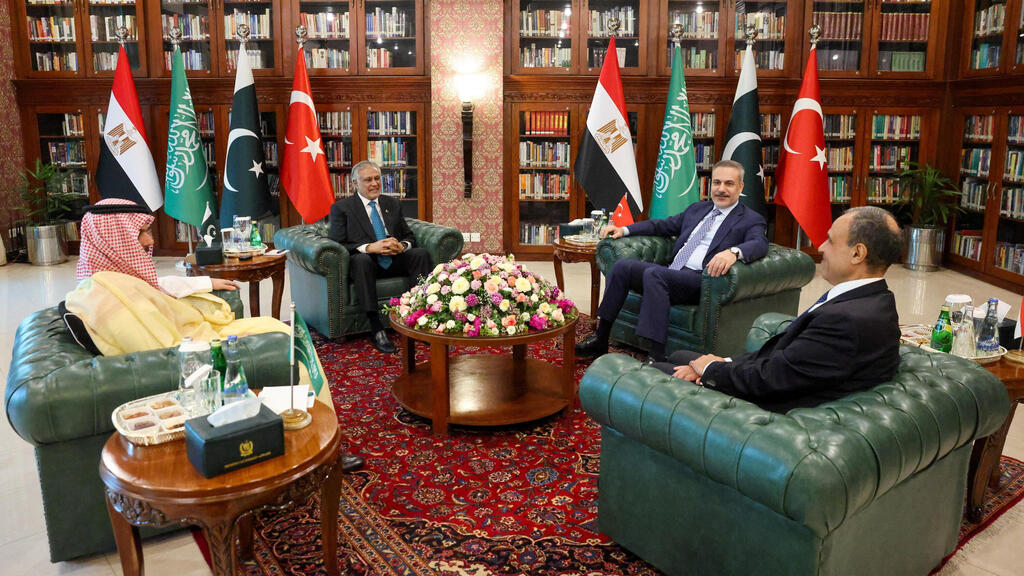
From left: Saudi Foreign Minister Faisal bin Farhan, Turkish Foreign Minister Hakan Fidan, Pakistani Foreign Minister Ishaq Dar and Egyptian Foreign Minister Badr Abdelatty at a meeting in Islamabad as part of efforts to end the war in Iran
(Photo: Muammer Tan/Turkish Foreign MinistryHandout via Reuters)
Pakistan has emerged in recent days as a key intermediary in indirect contacts between Washington and Tehran, leveraging its ties with both sides. It was Pakistan that delivered the Trump administration’s 15-point plan to Iran, which includes demands Tehran considers unacceptable, such as banning uranium enrichment, limiting its missile program and ending support for terrorist organizations and militias across the Middle East.
Iranian officials have expressed suspicion that the proposal is a deception, pointing to a parallel U.S. military buildup in the region and reports of potential ground operations, including a possible move to seize Kharg Island, Iran’s main oil export hub, to force Tehran to reopen the strait.
Hormuz proposals and regional concerns
According to five officials familiar with the talks, proposals discussed in Islamabad included plans submitted to Washington on reopening the Strait of Hormuz. A Pakistani official said Egypt had floated ideas allowing Iran to collect transit fees from ships, similar to the Suez Canal model.
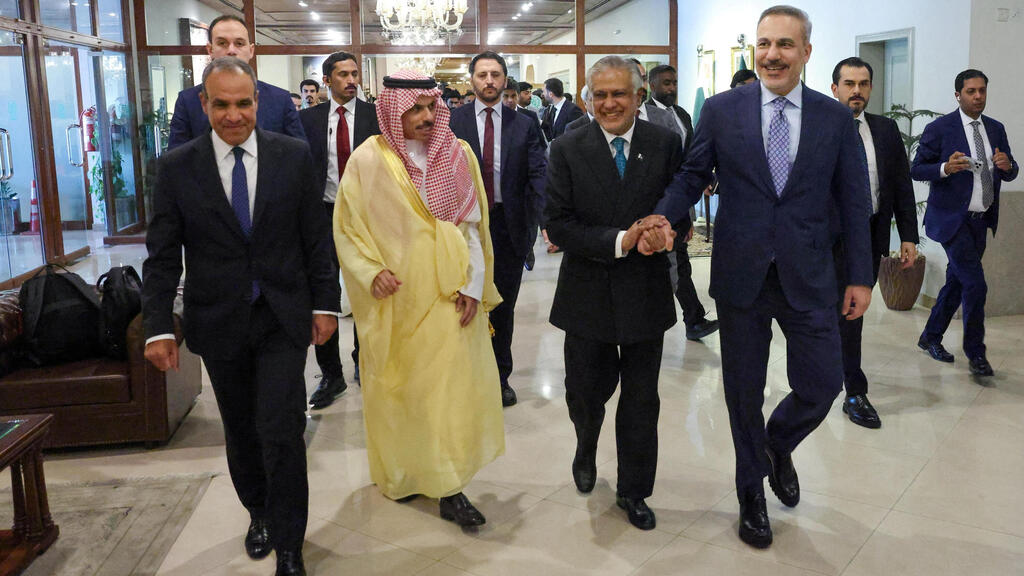
Egyptian Foreign Minister Badr Abdelatty, Saudi Foreign Minister Faisal bin Farhan, Pakistani Foreign Minister Ishaq Dar and Turkish Foreign Minister Hakan Fidan meet in Islamabad as part of efforts to end the war in Iran
(Photo: Muammer Tan/Turkish Foreign MinistryHandout via Reuters)
Iran has in recent days insisted that postwar arrangements in Hormuz should not return to the status quo, seeking the right to charge tankers and vessels passing through the strait. Saudi Arabia has strongly opposed such proposals, fearing they would cement long-term Iranian dominance over the waterway.
Other proposals discussed included the creation of a regional consortium, potentially involving Turkey, Egypt and Saudi Arabia, to manage oil traffic through the strait. Pakistani officials said the idea had been raised with both Washington and Tehran.
Deep divide over war terms
But the core disagreements remain stark.
According to officials cited by The Wall Street Journal, Saudi Arabia stressed that any agreement must include “ironclad guarantees” restricting Iran’s ballistic missile capabilities and ending its support for terrorist groups and militias in the region.
Iran, however, has rejected any negotiations over its missile program. More significantly, Iranian officials have demanded that any agreement include guarantees that its regional proxies, including Hezbollah and the Houthis, will not be targeted by the United States or Israel.
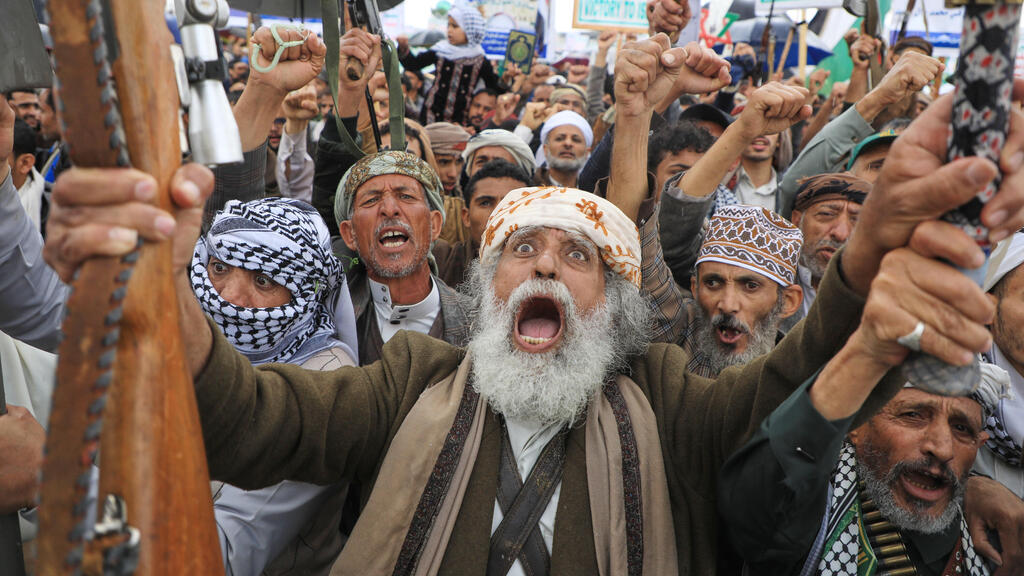
Yemen's Houtihs
(Photo: Osamah Abdulrahman/ AP)
Mediators expressed pessimism about the chances of reaching a ceasefire, saying prospects remain low as long as both sides maintain demands the other considers unacceptable.
The diplomatic efforts are unfolding under a deadline set by President Donald Trump, who has threatened to strike Iranian energy infrastructure if Tehran does not reopen the Strait of Hormuz. The ultimatum, already extended twice to allow negotiations, is now set to expire on April 6.
For now, there are no signs from Tehran of a willingness to compromise or even to enter formal talks.
Iranian Parliament Speaker Mohammad Bagher Ghalibaf issued a defiant warning Sunday, claiming that while the United States speaks publicly about negotiations, it is secretly preparing a ground attack.
Iranian forces, he said, are “waiting for American troops to arrive on the ground in order to set them ablaze and punish their regional partners forever.”