

The government on Monday unanimously approved Defense Minister Israel Katz’s proposal to shut down the Army Radio by March 1, 2026, ending decades of public broadcasting by the Israel Defense Forces.
Prime Minister Benjamin Netanyahu backed the move, saying a military run radio station that broadcasts civilian programming is a situation that “exists perhaps in North Korea,” but is not appropriate for Israel. Shortly after the decision, petitions were filed with the High Court of Justice arguing the closure violates freedom of expression and requires primary legislation.
Gallery
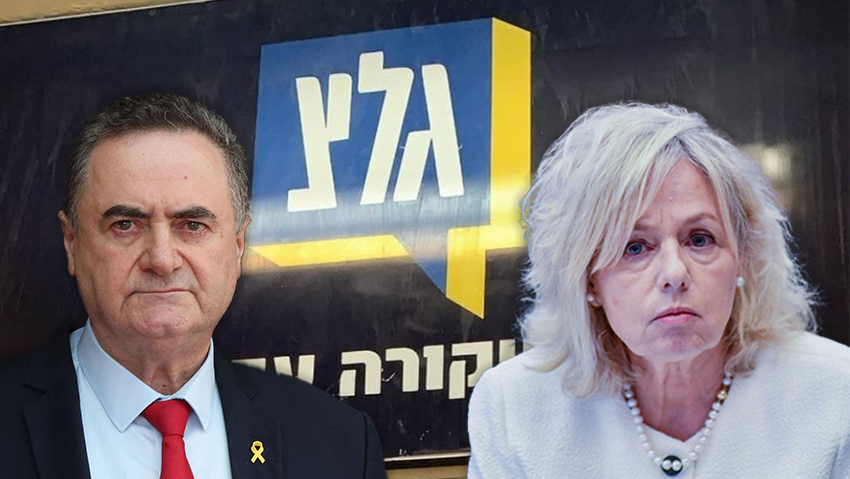
Defense Minister Israel Katz, Attorney General Gali Baharav-Miara
(Photo: Rafi Kotz, Menahem Kahana/ AFP)
Katz said operating a civilian radio station under the military is an anomaly not found in democratic countries and has drawn the IDF into political discourse. He argued that some broadcasts harm soldiers and undermine unity, and that enemies interpret the content as official messages from the army.
“What was, will be no more,” Katz said. “Galei Tzahal was created to serve soldiers and their families, not as a platform for opinions, many of which attack the IDF and its soldiers. Closing the station is essential to protecting the IDF’s national character and restoring public trust.”
Under the decision, an implementation team will oversee all aspects of the closure, including arrangements to protect the rights of the station’s civilian employees. Katz said the team will also examine how to preserve Galgalatz, the popular music and traffic channel, while maintaining its format and public character.
Several ministers cited legal concerns, noting the station has operated for decades on shaky legal footing. Others raised additional objections. Minister Orit Strock criticized broadcasts on the Sabbath, while Minister Amichai Chikli accused the station of favoritism and ideological bias. Communications Minister Shlomo Karhi accused the attorney general of a conflict of interest.

Minister Orit Strock
(Photo: Alex Kolomoisky)
Opponents quickly moved to challenge the decision in court. Petitions were filed by the Movement for Quality Government, the Association for an Israel Democratic Academy, and a group of six former station commanders, alongside prominent media figures. The petitioners argue that since the Knesset recognized Galei Tzahal in law, closing it requires primary legislation and cannot be done by an administrative government decision.
They also claim the decision rests on improper considerations and is intended to weaken critical media, silence dissent and provide economic benefits to outlets aligned with the government. The petitioners described the station as a national asset and warned the move would severely damage freedom of expression and democratic norms.
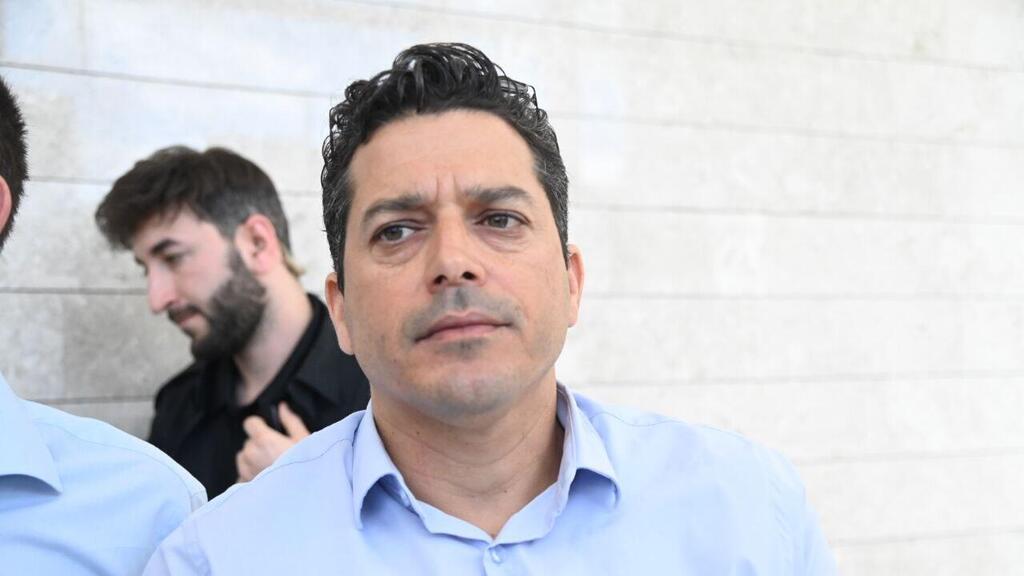
Minister Amichai Chikli
(Photo: Yair Sagi)
The decision follows months of review by an advisory committee Katz appointed in June 2025 to examine the station’s future. The committee submitted its report last month, recommending either shutting down Galei Tzahal or ending its current affairs programming. Katz said the existing situation could not continue.
According to the Defense Ministry, the committee held 19 days of deliberations between August and October, heard from dozens of representatives from the security establishment, media, academia, culture and civil society, and received more than 5,000 public responses. The 47 page report put the station’s annual budget at 52 million shekels ($16.1 million), with 87 percent funded by advertising and sponsorships, and noted that this was the 13th committee to examine the station’s future since the issue was first raised in 1953.
The Union of Journalists in Israel condemned the decision, saying it would fight to overturn what it called a misguided move. Opponents of the government said the closure of Galei Tzahal adds to broader efforts to curb critical media, alongside proposed reforms and cuts targeting public broadcasting.