

Navy Adm. Brad Cooper, head of U.S. Central Command, briefed President Donald Trump on potential military options against Iran, according to people familiar with the discussion, as indirect nuclear talks between Washington and Tehran showed tentative signs of progress.
Gen. Dan Caine, chairman of the Joint Chiefs of Staff and the president’s top military adviser, also attended the briefing, sources said. According to ABC News, a joint U.S.-Israeli operation against Iran remains under consideration.
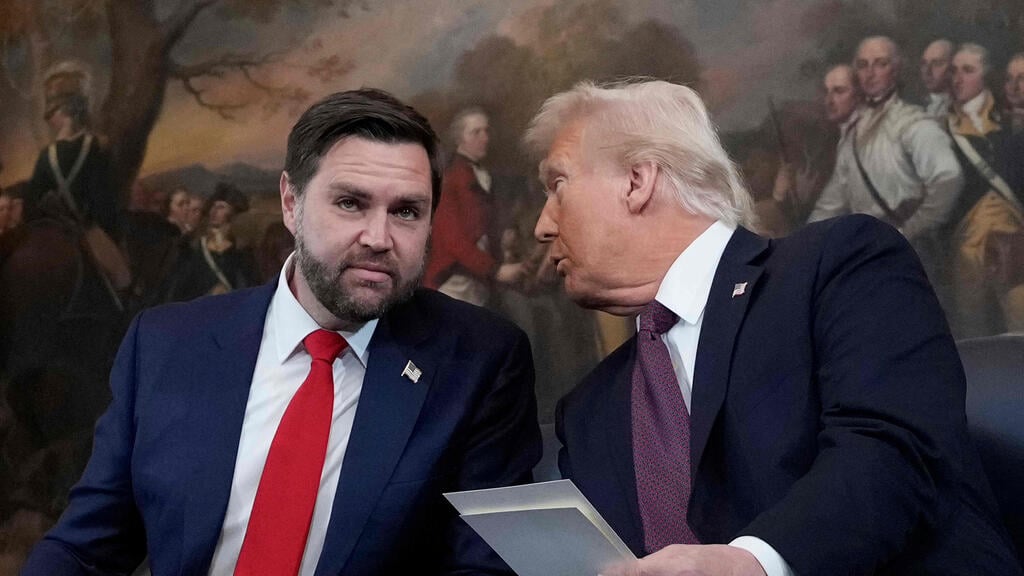
The high-level briefing came hours after the third round of talks in Geneva between U.S. and Iranian officials concluded without a deal. An American official described the discussions as “positive,” saying some details had become clearer during the second round. Technical-level talks are scheduled for Wednesday in Vienna, without U.S. envoys Steve Witkoff and Jared Kushner or Iranian Foreign Minister Abbas Araghchi.
“We continue to work to produce an agreement,” the U.S. official said.
Araghchi also struck an optimistic tone, saying “we managed to achieve some positive things on sanctions and nuclear issues.” He said expert-level technical talks would begin Monday and that a fourth round of negotiations could follow next week.
Despite the diplomatic momentum, gaps remain wide. U.S. negotiators have demanded that Iran dismantle its three main nuclear facilities at Fordo, Natanz and Isfahan and transfer all remaining enriched uranium stockpiles out of the country. Washington also insists any deal be permanent.
Iranian media and sources close to the talks have said Tehran rejected transferring its uranium abroad, opposed halting enrichment entirely and resisted dismantling nuclear facilities or accepting permanent limits.
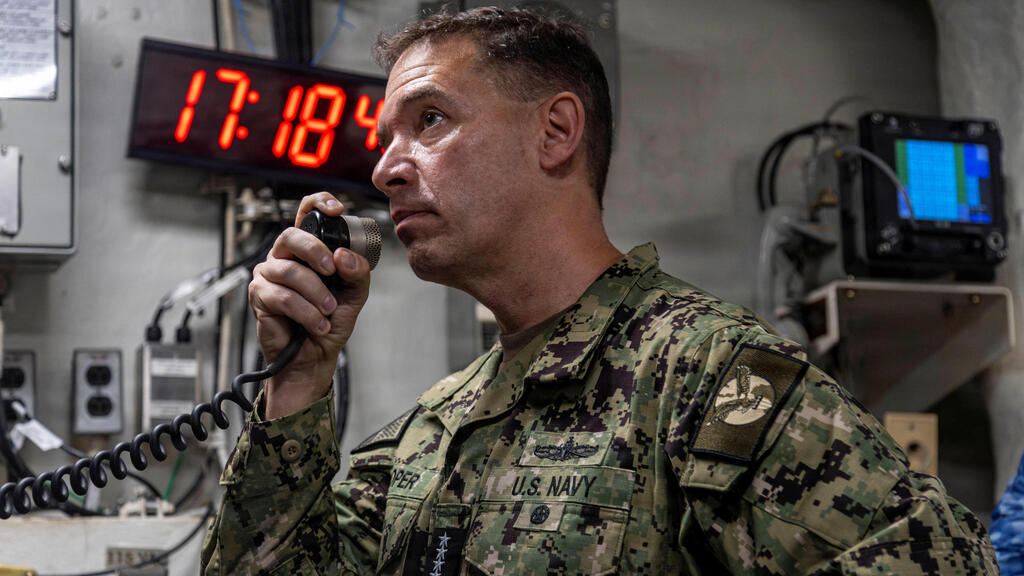
Navy Adm. Brad Cooper, head of U.S. Central Command
(Photo: US Navy/Reuters)
Vance signals caution
Vice President JD Vance, speaking to The Washington Post while returning from an event in Wisconsin, said that even if Trump decides to strike Iran, “there’s no chance” the action would draw the United States into a prolonged war.
“The idea that we’re going to be in a war in the Middle East for years with no end in sight — there’s no chance that’s going to happen,” Vance said.
He said he did not know what Trump would ultimately decide and outlined possibilities ranging from military strikes “to ensure that Iran doesn’t get a nuclear weapon” to a diplomatic resolution.
Vance, a 41-year-old Marine veteran who served in Iraq, has previously said he was “lied to” about the rationale for U.S. involvement there. He described himself as still “skeptical about foreign military interventions,” adding that he believes Trump shares that skepticism.
“I think we all prefer the diplomatic option,” he said. “But it really depends on what the Iranians do and what they say.”
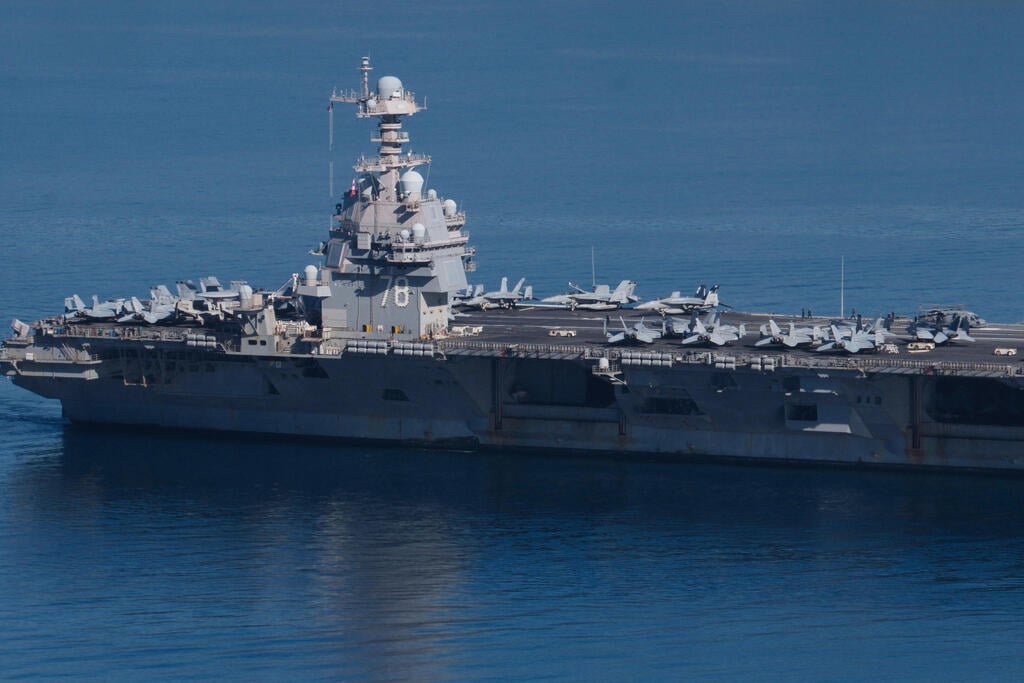
Aircraft carrier USS Gerald R. Ford
(Photo: AP/ Giannis Angelakis)
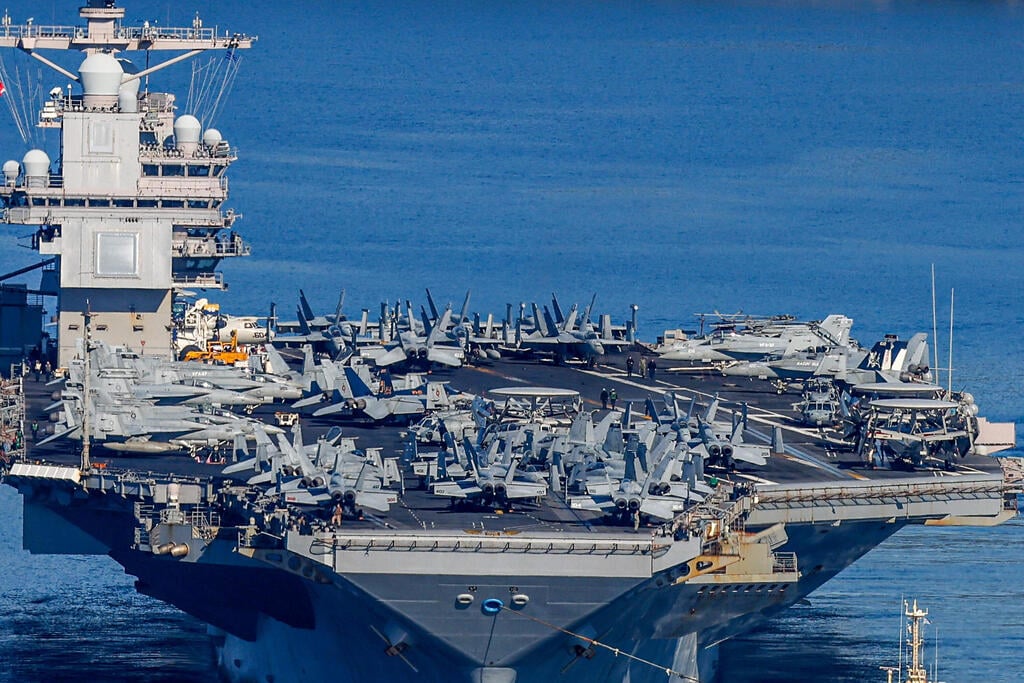
(Photo: Costas Metaxkis/ AFP)
When asked whether he could have imagined, as a former commentator critical of the Iraq War, being part of an administration contemplating regime change abroad, Vance laughed.
“Life has a lot of crazy twists,” he said. “Donald Trump is an America First president. He’s pursuing policies that work for the American people. We need to avoid repeating the mistakes of the past. But just because one president messed up a military conflict doesn’t mean we can never engage in one again. We have to be careful about it, and I think the president is careful.”
Military buildup continues
Meanwhile, the United States continues to reinforce its presence in the Middle East. The aircraft carrier USS Gerald R. Ford is expected to arrive near Haifa, adding to a buildup that includes dozens of fighter jets and warships positioned within striking distance of Iran.
Political analysts in Washington have suggested that allowing Israel to initiate any potential strike could provide political cover for Trump, who campaigned on ending wars rather than starting them. If Iran were to retaliate, Trump could frame U.S. involvement as consistent with long-standing policy to defend Israel.
Still, officials have warned of significant risks. Among the concerns is the safety of the roughly 35,000 to 40,000 U.S. troops stationed across the region. A sustained campaign could last weeks and carry no guarantee of producing a government in Tehran more favorable to U.S. interests.
White House Deputy Press Secretary Anna Kelly said speculation about Trump’s intentions is premature.
“The media may continue to speculate on the president’s thinking all they want, but only President Trump knows what he may or may not do,” she said.