

A year afer Friedrich Merz of the center-right Christian Democratic Union took office as Germany’s chancellor, promising to advance a measured conservative agenda without cooperating with the far right, polls suggest that the far-right Alternative for Germany (AfD) is instead surging to first place and reaching record levels of support.
Merz took power on May 6, 2025, leading a compromise coalition with the center-left Social Democrats (SPD). At the time, he argued that effective governance could weaken AfD, which had finished second in the general election — the far right’s strongest result since World War II.
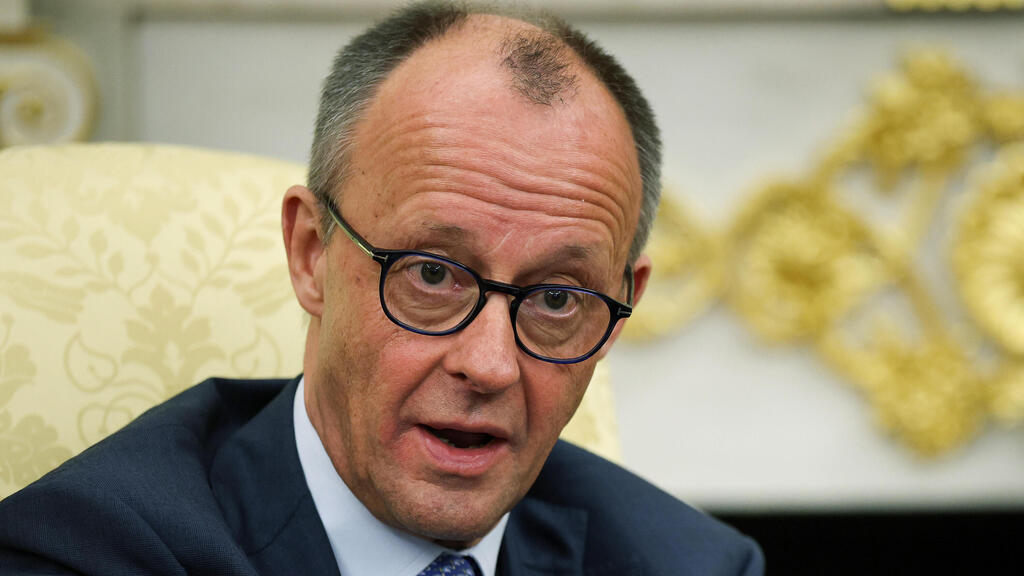
But the past year has been difficult for Merz’s coalition. Public infighting within the government and a sluggish economy have helped fuel AfD’s rise. It is now polling at around 28%, matching the result of Merz’s bloc in last year’s election and marking the highest level of support in AfD’s history.
Benjamin Höhne, a political scientist at Chemnitz University of Technology, said AfD — a party defined by opposition to immigration, sympathy for Russia and support for Donald Trump, whose members have also been linked to antisemitic and anti-Israel remarks — is now firmly established and can no longer be dismissed as a protest vote.
He added that, in contrast, the core voter base of Merz’s CDU/CSU alliance and the SPD is “in the process of disappearing,” with the conservatives slipping below 25% in polls and the Social Democrats falling under 15%.
The trend is especially pronounced in eastern Germany, where AfD is aiming to win two regional elections in September, potentially dealing historic blows to the two major parties that have dominated power since 1949. The party has also posted strong gains in western Germany, nearing 20% in elections in two states this year.
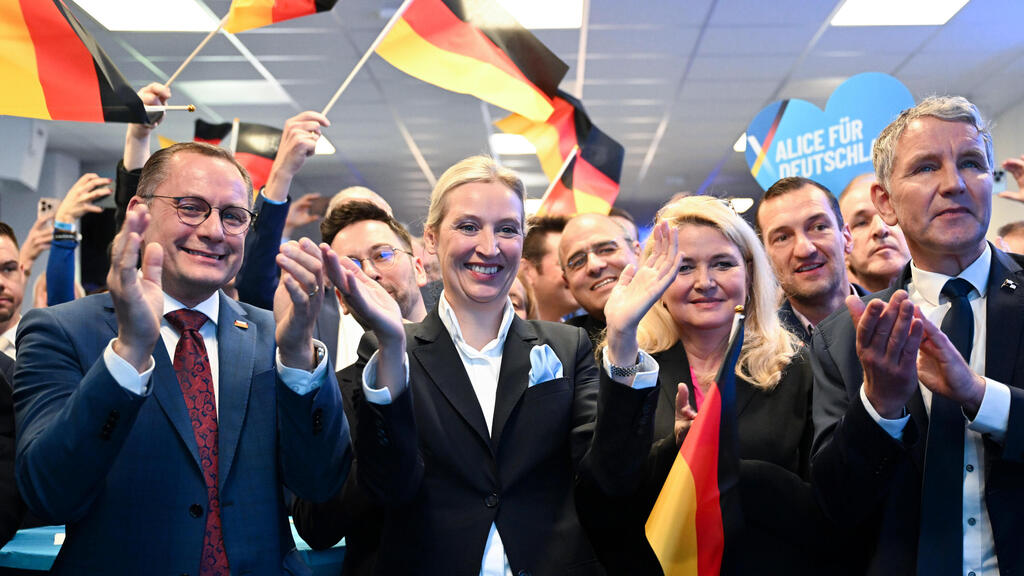
Alternative for Germany leader Alice Weidel in last year’s election
(Photo: Soren Stache - Pool/Getty Images)
AfD officials say the results show the conservative chancellor is committing political suicide by partnering with the center-left instead of working with them, a party they argue shares more common ground with his own. Merz and his party reject that claim, maintaining the “firewall” — a broad consensus that no party should form alliances with groups viewed as anti-democratic or racist.
Through his coalition with the SPD, Merz will not win back a single AfD voter and will instead continue losing support to the far-right party because ineffective governments are punished at the ballot box, Bernd Baumann, AfD’s parliamentary group leader, told Agence France-Presse, referring to disputes that have paralyzed the coalition and hampered decision-making.
A year into his term, Merz’s bet that he could neutralize AfD by tightening immigration policy and advancing liberal economic reforms has, for now, failed. While the shift in migration policy has led to a significant drop in the number of arrivals, the chancellor has not reaped political gains.
Research shows that prioritizing immigration on the political agenda, aligning positions more closely with those of populist parties and adopting their rhetoric tends to strengthen right-wing populists, said Marc Debus, a political scientist at the University of Mannheim.
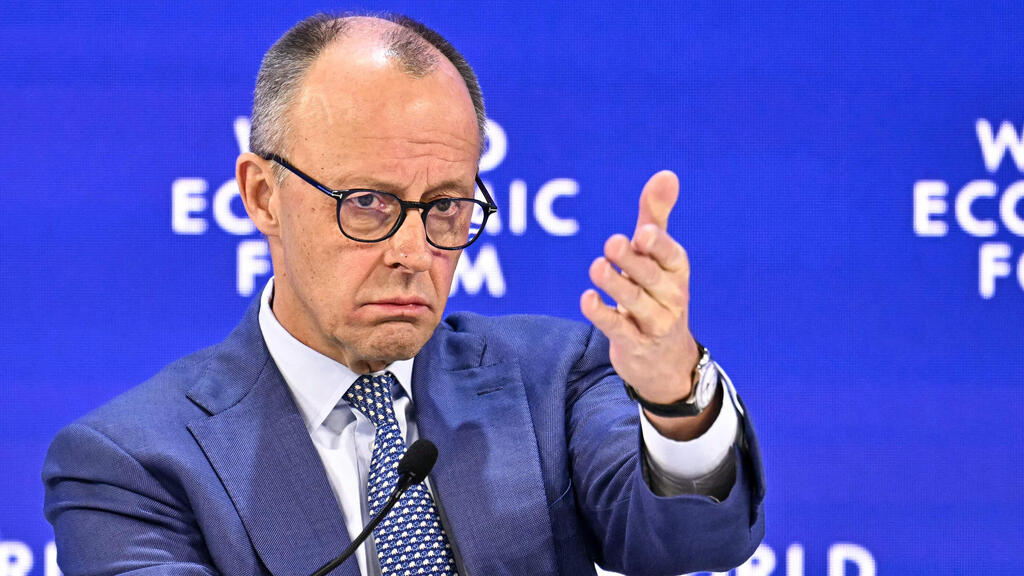
Only 24% believe his government will last until the end of its term; Chancellor Merz
(Photo: Fabrice COFFRINI / AFP)
A larger problem, however, is the government’s inability to agree on reforms needed to revive an economy that has been in crisis since 2022, due in part to energy prices, a lack of innovation, U.S. tariffs and competition from China. Internal disputes have led to the coalition parties and the executive branch being perceived as less capable of solving major problems, Debus said.
Although conservatives and Social Democrats continue to promise compromise, their frequent clashes — over the economy, taxation and the welfare state — have become routine. According to an Insa poll published this week in Bild, only 16% of Germans are satisfied with the government, and just 24% believe it will last until the end of its term in 2029. Debus said such dissatisfaction significantly improves the prospects of right-wing populist parties in upcoming elections, which may come sooner than expected.