



In recent weeks, IDF Chief of Staff Lt. Gen. Eyal Zamir and his deputy Maj. Gen. Tamir Yadai have been leading a series of strategic decisions intended to bolster the military. Many of these steps were initially planned under former army chief Herzi Halevi last year.
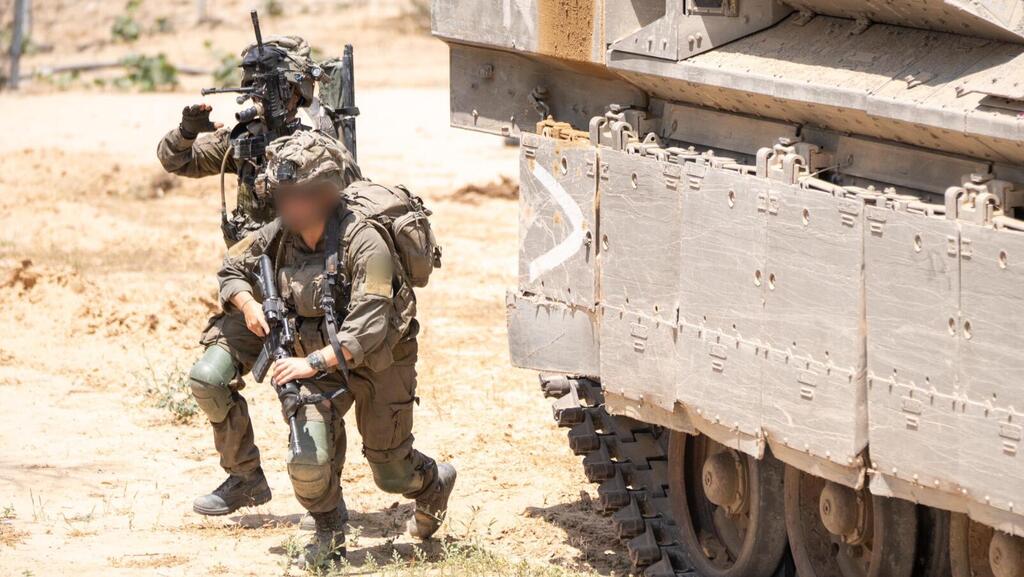
The overarching goal is to expand the IDF's manpower, restructure its operational frameworks, support combat units, reinforce border defenses and address the growing wear and tear on soldiers.
Key decisions include the establishment of three new divisions — one dedicated to routine security operations and another to be stationed along the eastern border with Jordan — as well as the creation of a new armored brigade equipped with tanks.
The plan also involves integrating Haredi (ultra-Orthodox) soldiers through various tailored programs, overhauling training at the IDF’s Officers School (Bahad 1), establishing additional units, upgrading the air defense array, reinforcing the navy as a strategic arm and addressing critical logistical challenges. All of these changes are aimed at preparing the military to respond to sudden border flare-ups — a lesson underscored by the October 7 attacks.
Expanding Haredi integration
One major development is a significant expansion of Haredi integration into military service, driven by the urgent need to grow the IDF’s personnel pool. In addition to the already active Netzah Yehuda (Nahal Haredi) Battalion, two new service tracks have been approved for Haredim.
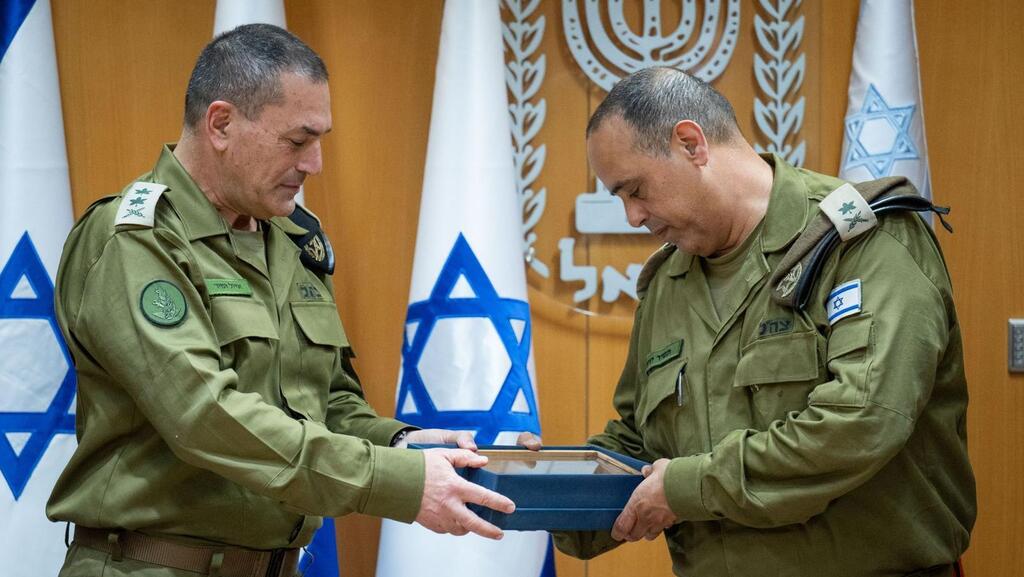
IDF Chief of Staff Lt. Gen. Eyal Zamir and his deputy Maj. Gen. Tamir Yadai
(Photo: IDF)
The first is a training program for Haredi soldiers, focusing on community defense and providing security for towns and villages across Israel, particularly in high-risk areas. The second is a five-month basic infantry training course (Rifleman 05 level), offering a shortened service that allows Haredi soldiers to maintain their religious lifestyle while fulfilling their duty. The IDF also plans to assign Haredim to border defense roles. The military is investing considerable effort to ensure that these soldiers can enlist and complete their service in a culturally compatible environment, including specialized training programs.
Border defense and new units
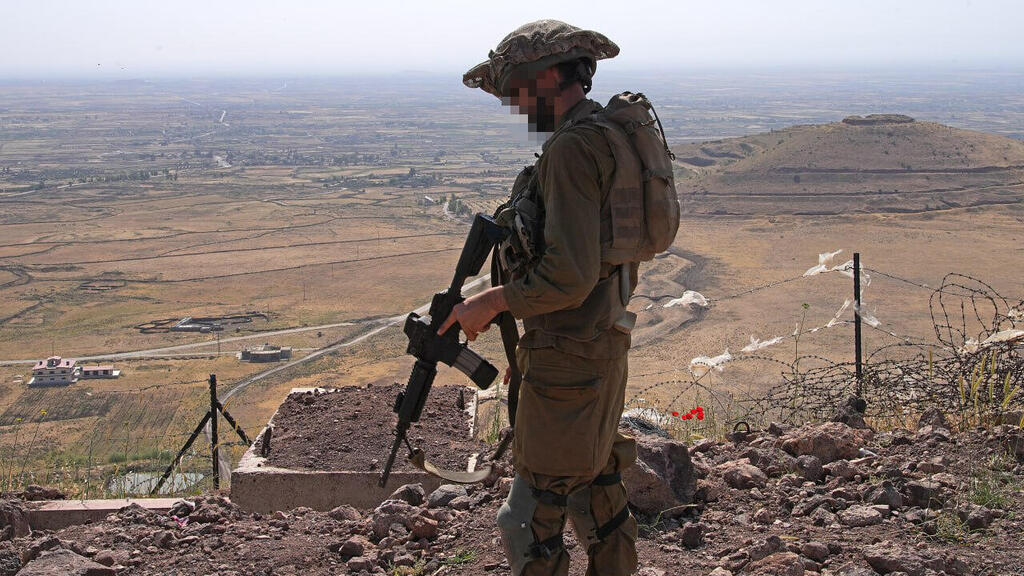
Border security remains a top priority. The IDF has decided to establish new units dedicated to continuous border presence in the south, north and along the Jordanian border. This includes five brigades created to respond to rapidly emerging threats and to bolster security along the separation barrier with the West Bank. To date, more than 10,000 soldiers have been recruited into these brigades.
(Photo: Efi Sharir)
Additionally, a new armored brigade will be established to serve as a cornerstone in this effort, supporting both border defense and ground combat operations in active theaters. These new units — some of which will include Haredi soldiers — are intended to ease the burden on regular and reserve forces and strengthen Israel’s defensive posture, with mission-specific training tailored to these goals.
Armored forces are playing a central role in this reorganization. The new tank brigade and existing armored units will be deployed to provide direct fire support for ground forces, particularly in complex combat zones and built-up areas. This approach is part of a broader shift in the IDF toward integrated battalion-level combat teams that combine armor, combat engineering and infantry — a model now deemed essential for success on today’s battlefield.
Training overhaul and officer development
At Bahad 1, the IDF’s central training base, a major revamp of the training system is underway to support the force-building initiative. The base will now operate under the newly established Training Division, and training programs are being adapted to better meet operational demands, with a focus on faster preparation of combat and support troops.
Special emphasis is being placed on training for technological and logistical roles, such as communications, driving and food supply, which suffer from a severe shortage of professionally trained recruits. Haredi soldiers will also be offered pathways into these roles, with programs designed to respect their religious values, staying true to the slogan “join the IDF Haredi, leave the IDF Haredi.” These changes aim to streamline training and ensure the rapid deployment of fully prepared personnel.
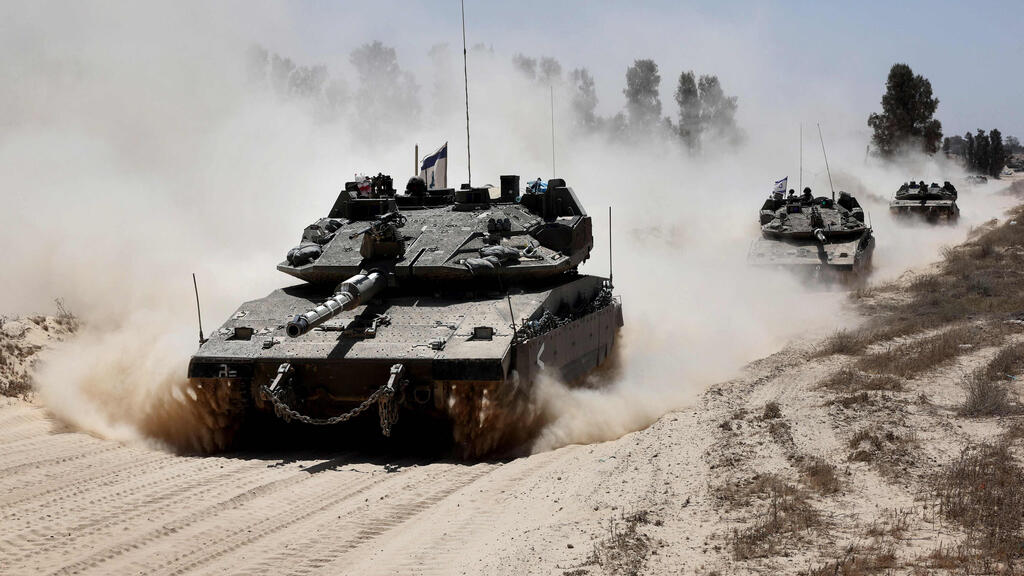
IDF armored forces
(Photo: Jack Guez/ AFP)
In the Air Force, the IDF has approved the creation of an additional brigade within the air defense command to improve oversight and control of systems like Iron Dome. The complexity of managing these systems prompted a decision to split the command structure for more effective operations. The IDF also plans to restructure its offensive drone units, with ongoing discussions to redesign the framework and strengthen attack capabilities.
In the Navy, Israel is significantly enhancing its strategic role and expanding operational capabilities, especially in distant theaters.
Engineering and reserve forces
The Combat Engineering Corps will see the formation of a new regular-duty battalion that combines engineering, infantry and armor elements. One company has already completed training, and a second is in the process, with plans for an additional battalion to follow.
Get the Ynetnews app on your smartphone: Google Play: https://bit.ly/4eJ37pE | Apple App Store: https://bit.ly/3ZL7iNv
In the Oketz canine unit, dog training continues to mirror the intensity and length of elite infantry training, such as in the Golani Brigade, though the IDF notes ongoing challenges in sourcing suitable dogs.
Parallel to these force-building initiatives, the IDF is also focused on combat operations. Military officials are reviewing the performance of Operation Gideon’s Chariots amid public debate over the operation’s toll and its many casualties. Over the past month and a half, the IDF has cleared some 10,000 structures in Gaza, severely damaging Hamas’ underground tunnel network and dismantling command-and-control systems. While this puts considerable pressure on Hamas in the context of hostage negotiations, officials stress that these activities are separate from the broader force-building agenda.
The IDF has decided to shut down the Ground Forces Command Corps, currently headed by Maj. Gen. Nadav Lotan. A new reserve brigade — 261st Brigade — will be created and placed under the 252nd Division, becoming another maneuvering reserve force in the military’s arsenal.
Meanwhile, the Navy’s growing role is being solidified through increased investment and a focus on expanding its operational reach.