

Iran has been unable to reopen the Strait of Hormuz to significant commercial traffic because it cannot locate all of the naval mines it laid there and does not have the capability to remove them quickly, the New York Times reported Friday, citing U.S. officials, in a development that could complicate talks between Washington and Tehran set to begin Saturday in Pakistan.
According to the report, the problem is one reason Iran has not been able to quickly meet the Trump administration's demands for a broader reopening of the strategic waterway. The issue is expected to come up in Islamabad, where delegations from both sides have arrived for negotiations expected to include U.S. Vice President JD Vance and Iranian Foreign Minister Abbas Araghchi.
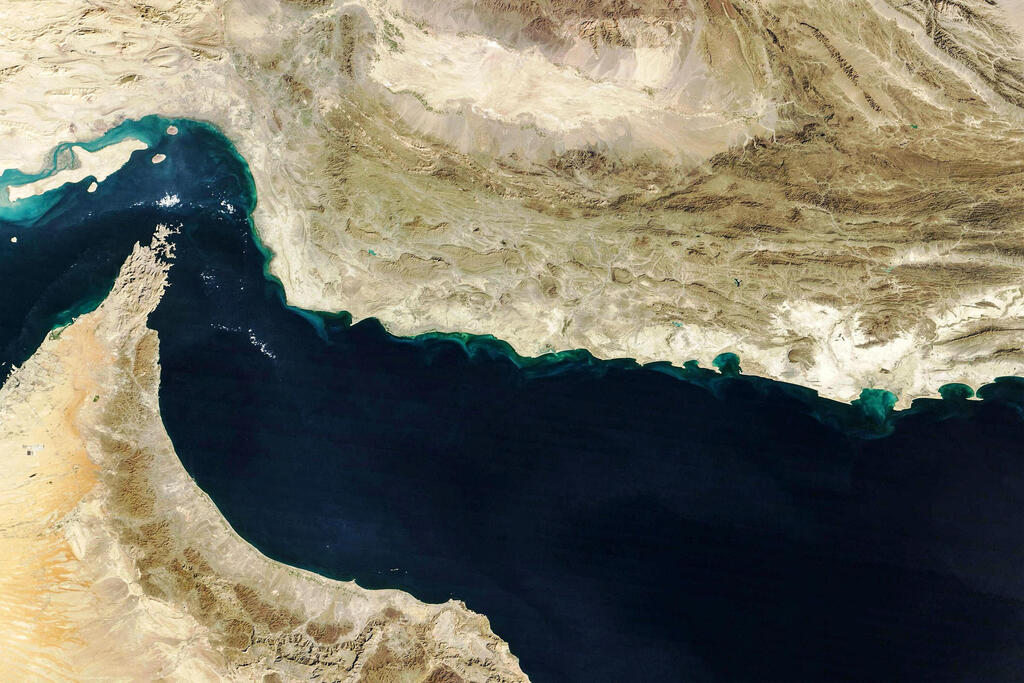
Iran laid the mines last month using small boats shortly after the opening U.S. and Israeli strikes, according to the Times. Combined with the threat of Iranian drone and missile attacks, the mining campaign sharply reduced the number of oil tankers and other vessels passing through the strait, driving up energy prices and giving Tehran one of its strongest sources of leverage in the war.
Ship traffic through Hormuz had fallen to a fraction of normal levels, with just seven vessels passing through in a 24-hour period compared with about 140 under normal conditions.
Iran has kept open a narrow corridor through the strait for ships willing to operate under its terms. Iranian officials have said the passage could reopen in a limited and controlled way, with ships coordinating with Iranian authorities, while semi-official reporting said vessels were being directed through Iranian waters to avoid the risk of mines in the usual lanes.
But U.S. officials told the Times that the available routes remain highly constrained because some mines may have been laid without clear documentation and others may have drifted from their original positions.
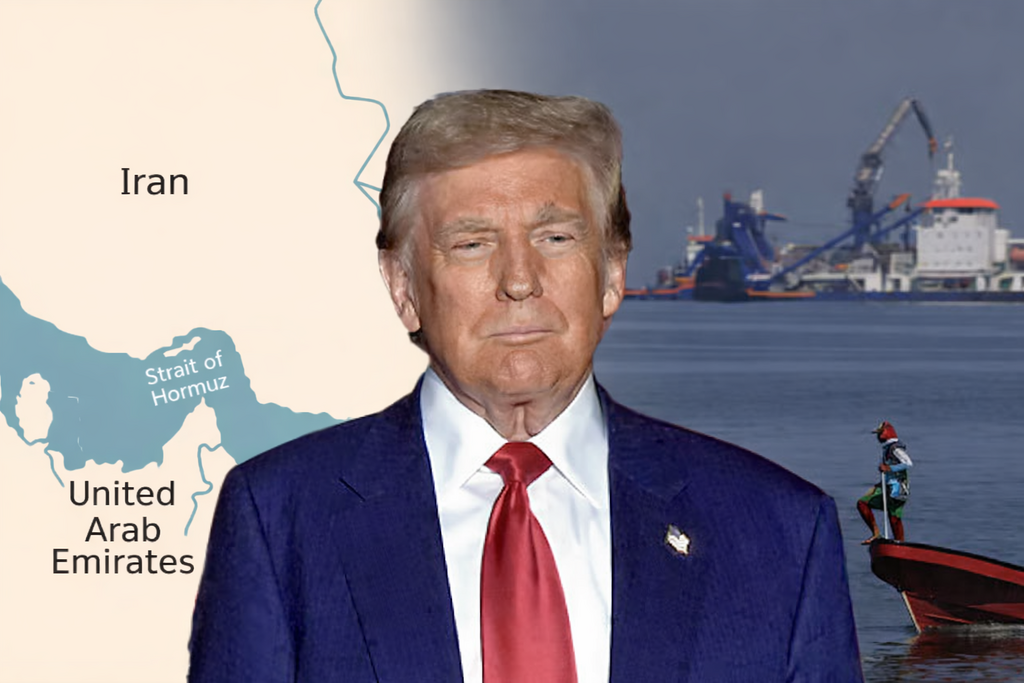
U.S. officials also said mine-clearing at sea is far more difficult than laying mines. The report said Iran lacks the ability to remove the mines quickly, including some of the ones it placed itself. It added that the United States also does not maintain large-scale rapid mine-clearing capacity and instead relies on specialized capabilities that are limited.
Trump, who has tied a fragile two-week ceasefire to the reopening of Hormuz, said this week that the waterway needed to be opened “completely, immediately, and safely.” On Friday, he told reporters the strait would be open “fairly soon” and said other countries could help, while insisting Washington would not allow Iran to charge tolls in what he described as international waters.
Araghchi said on Wednesday that the strait would remain open “with due consideration of technical limitations,” a phrase U.S. officials interpreted as a reference to Iran’s inability to quickly locate and clear the mines.
Even after extensive U.S. strikes on Iranian naval assets during the war, Tehran still retains hundreds of small boats that could be used to harass shipping or lay additional mines, according to U.S. officials cited in the report. American officials also said the United States is not certain how many mines Iran placed in the strait or exactly where they are, in part because the small craft used to deploy them are difficult to track.
Before Iran began laying mines, threats from its leadership had already disrupted global shipping and sent oil prices sharply higher. The Strait of Hormuz, a chokepoint for about 20% of global oil and liquefied natural gas shipments, remains largely stalled despite the ceasefire announcement.