

Lebanese authorities on Thursday arrested the country’s most notorious drug lord, Nouh Zaiter, after years on the run.
Zaiter, 48, was apprehended in a targeted military operation in the village of Kneisseh in Lebanon’s eastern Beqaa Valley, the army said.

Though not named directly in the official statement, Zaiter was described by the military as “one of the most dangerous wanted individuals.” He is accused of leading a vast drug trafficking network that operated across Lebanon and Syria and played a major role in the regional production and distribution of Captagon, a powerful amphetamine often dubbed “the poor man’s cocaine.”
Lebanese media reported that Zaiter used the chaos of Syria’s civil war to expand his smuggling empire across the porous border. He is also widely believed to have longstanding ties with senior figures in Hezbollah and with the regime of ousted Syrian President Bashar Assad.
The Captagon trade flourished during the Syrian conflict, with Syria becoming the world’s top exporter of the stimulant, according to international watchdogs. Hundreds of millions of Captagon pills were trafficked from Syria to Jordan, Iraq, Saudi Arabia and other Gulf states, where the drug became popular among wealthy youth for its stimulant effects and low cost.
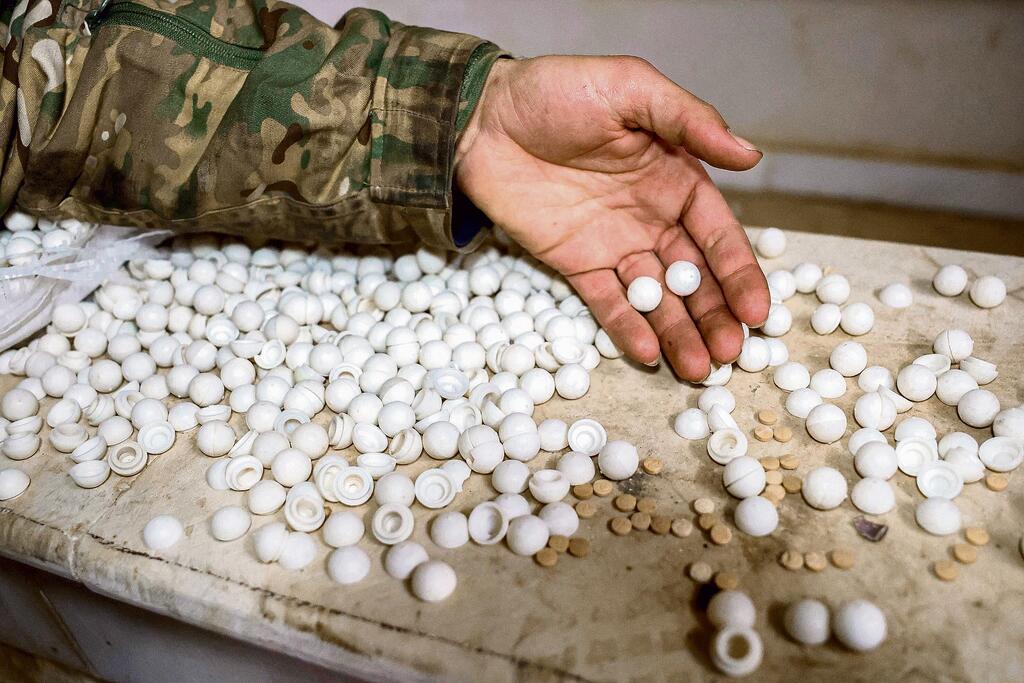
Captagon
(Photo: Omar Haj Kadour, AFP)
Born in 1977 in a rural area of the Beqaa known for cannabis cultivation, Zaiter reportedly studied briefly at the American University of Beirut before spending time as a refugee in Switzerland in the early 1990s. He later returned to Lebanon, formed an armed militia and built an extensive smuggling and manufacturing operation. His name has been linked to drug routes extending into Europe and North Africa. The United States and the European Union have both imposed sanctions on him.
During the Syrian war, as Assad’s regime faced heavy Western sanctions, Damascus allegedly relied on Captagon exports to generate critical revenue. Captagon also became a tool of political leverage, used to pressure Arab and Muslim countries that had cut ties with Syria.
In recent years, many Arab states began normalizing relations with Assad — not only in light of his perceived victory in the civil war, but also in hopes of pressuring Damascus to curb the drug trade. Assad was ousted in a coup last year, but regional concerns over drug smuggling persist.
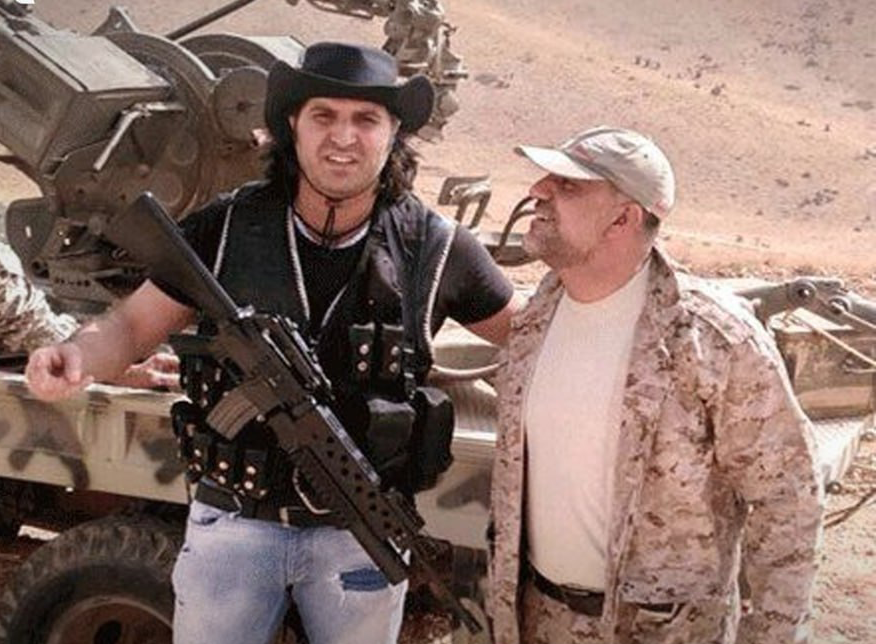
Zaiter (left)
In response to mounting criticism from Gulf nations, particularly Saudi Arabia, Lebanon has ramped up efforts to dismantle drug production and smuggling networks in its eastern regions. In 2021, Saudi Arabia suspended imports from Lebanon after Captagon pills were discovered hidden in shipments of produce. The Lebanese government has since sought to restore diplomatic and trade ties with Riyadh by intensifying its crackdown on narcotics.
Thursday’s arrest of Zaiter is seen as a major step in those efforts.