


As part of The Six Days and Us, a national project by the Ammunition Hill Six-Day War Heritage Center and the Heritage Ministry to collect and document items from the 1967 war, six diaries written by soldiers during the fighting have been gathered.
The project aims to help complete the human mosaic of one of the defining moments in Israel’s history.
Gallery
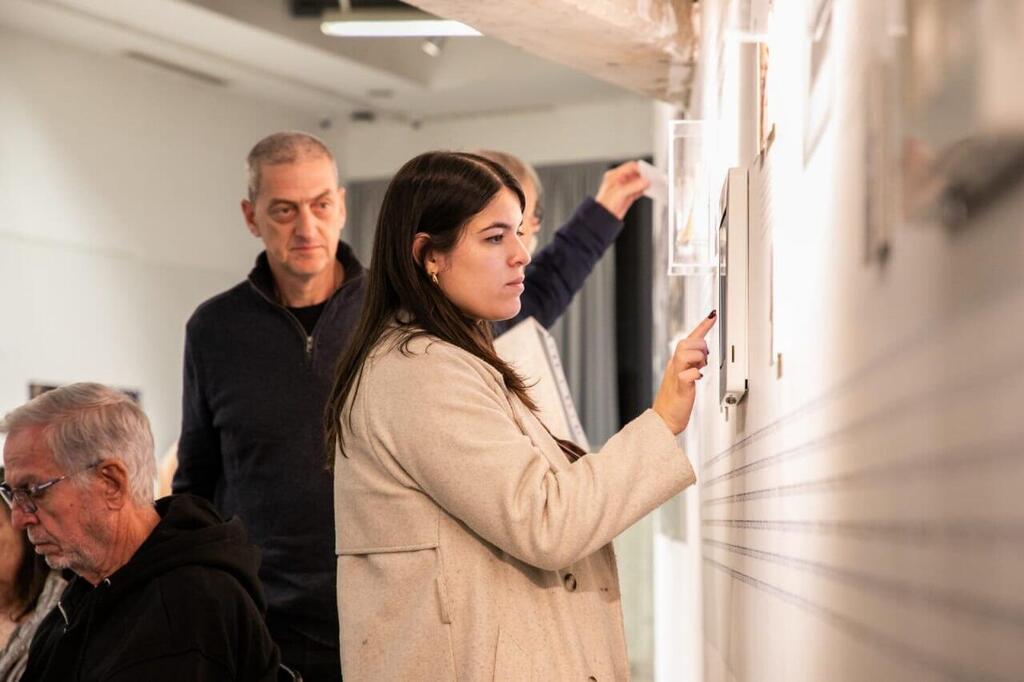
A Time for War, a Time for Peace
(Photo: Ammunition Hill Six-Day War Heritage Center archives)
The heritage center’s staff turned the diaries into an exhibition, A Time for War, a Time for Peace, designed to give the public a look into the hearts and minds of the soldiers who fought in the Six-Day War.
The exhibition also seeks to encourage soldiers and reservists who fought in the Israel-Hamas war and visit the display to write diaries of their own as a way to process their combat experiences. In the near and distant future, organizers say, such diaries could serve as living testimony to their service.
Writing inside the tank, under fire | Rafi Tzur
The diary tells the story of an armored corps platoon sergeant who went to war with a writing pad out of a survival instinct. “There is a war — you do not know if you will return — write,” he wrote at the time.
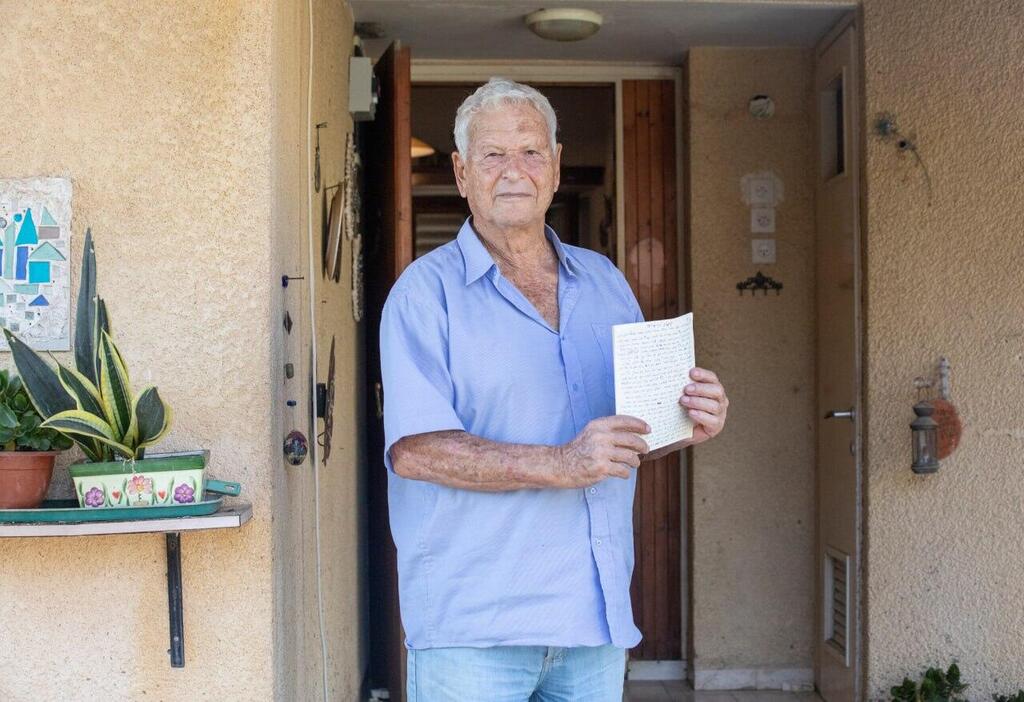
Rafi Tzur
(Photo: Ammunition Hill Six-Day War Heritage Center archives)
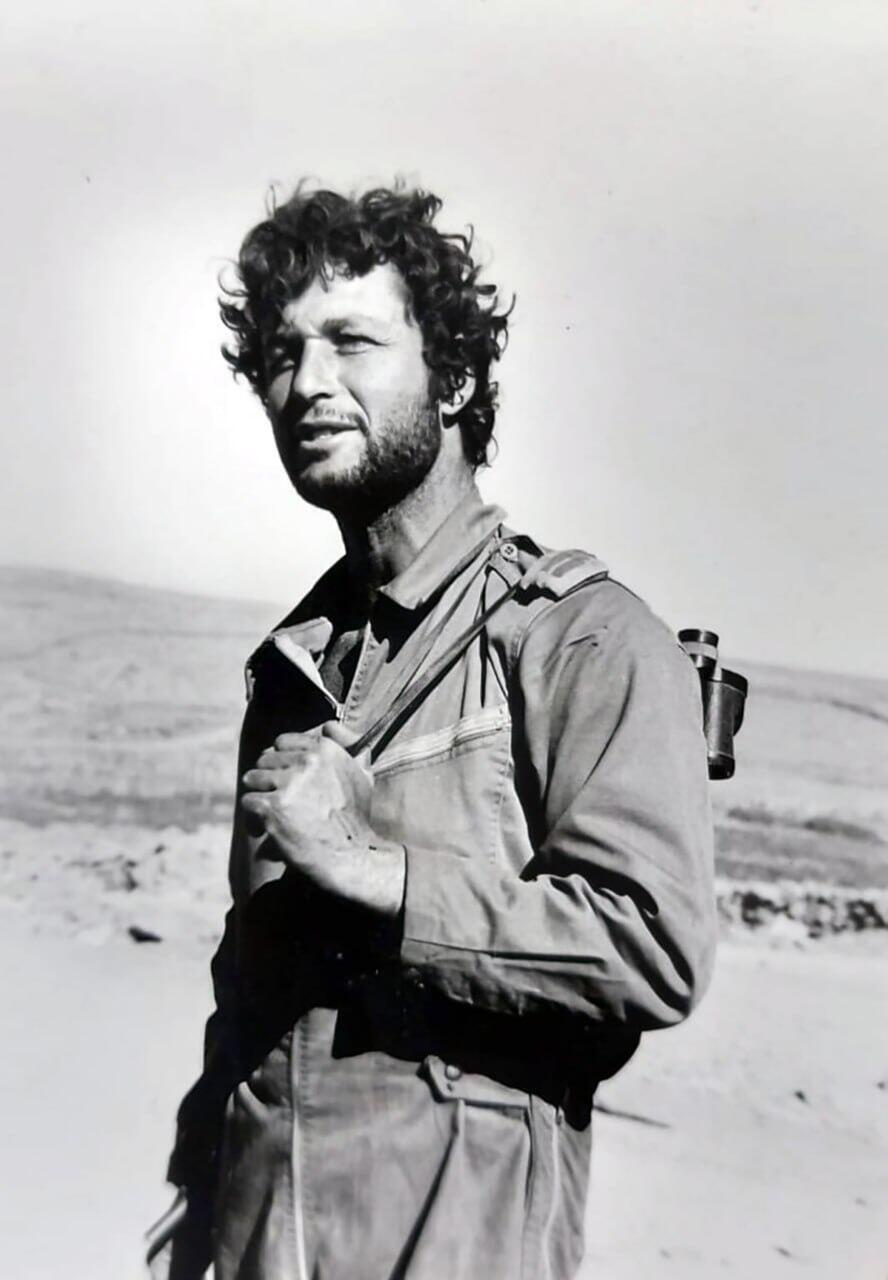
Tzur during his military service
(Photo: Ammunition Hill Six-Day War Heritage Center archives)
The diary documents the complete disconnect from the home front and the moment of the breakthrough into the Old City, when he heard someone in the vehicle behind him shout: “Jerusalem is ours!!!”
Tzur honestly describes the emotional turmoil: “My throat choked with emotion and something burned in my eyes. What is happening to me? I had never had any connection to Jerusalem. It was the warmest, deepest and most stirring feeling I felt in those days.”
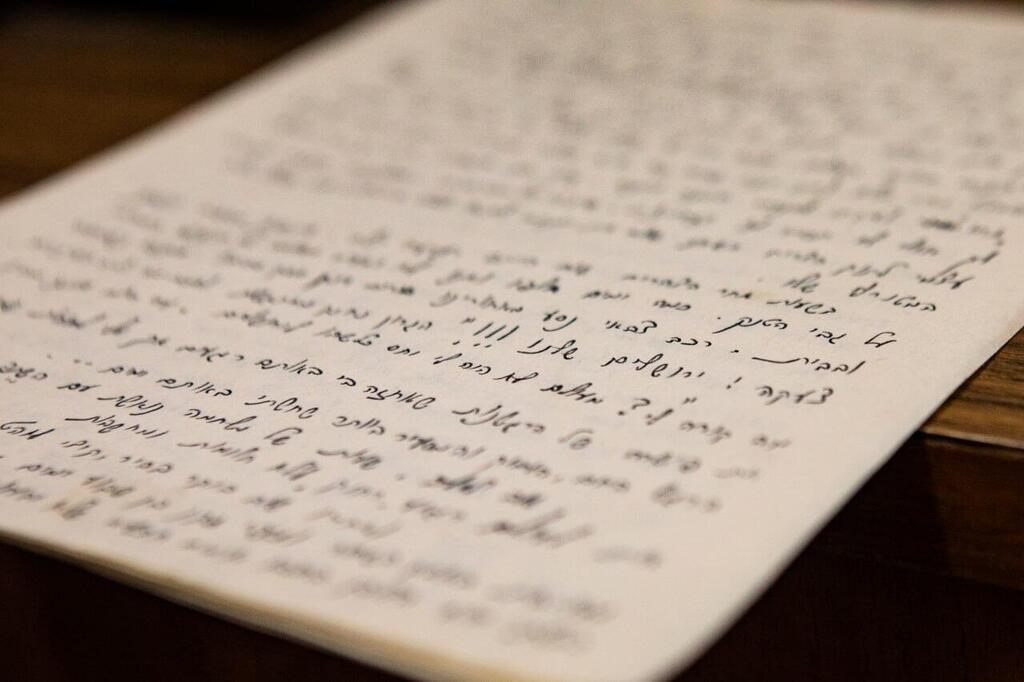
Rafi Tzur's wartime diary
(Photo: Ammunition Hill Six-Day War Heritage Center archives)
In earlier sections of the diary, he wrote: “The UN announced a cease-fire. I cannot describe in words the feeling that rose and swelled inside me when I heard the words ‘cease-fire.’ The loudest voice cried out from within me: ‘I am alive!’ I had survived this too. I wanted to dance with joy. I looked around me. No one was openly happy. There was embarrassment on people’s faces — and then came the second thought: What about the Syrians? After all, it was because of them. The war, the terror, the sacrifices. Who knows how much of everything. Will they get off without punishment? Will the black-gray hills continue to threaten from the east forever?”
At another moment in the war, he documented the inferno he had endured and the optimism that seized him at the sight of a beautiful flower: “He opened the hatch and stuck his head out. Suddenly he grabbed my shoulder tightly and pointed through the tank. I turned my gaze in alarm but saw nothing except a scorched barbed-wire fence and rocky ground blackened by fire. ‘Look,’ Yigal shouted, and then I saw what he meant. A large yellow flower on a tall, solitary stem that had survived the fire that raged here.”
With a captured pen, in a notebook from the kiosk | Natan Melman
This is the story of a tank mechanic who, while his friends searched for drinks in an abandoned Egyptian kiosk, searched for and found an empty notebook.
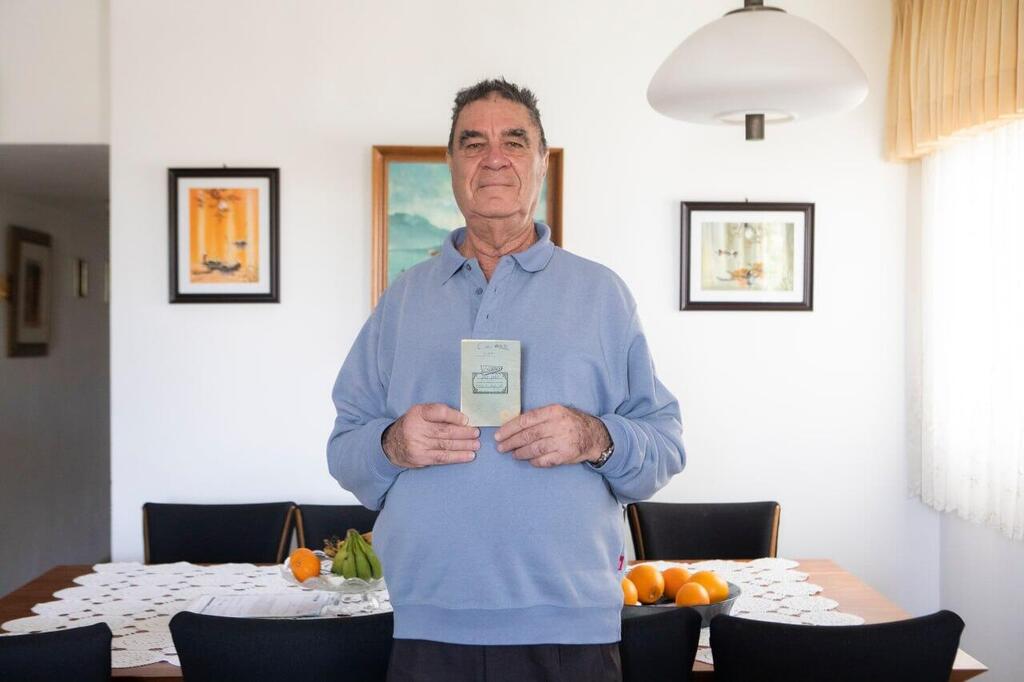
Natan Melman holds his wartime diary
(Photo: Ammunition Hill Six-Day War Heritage Center archives)
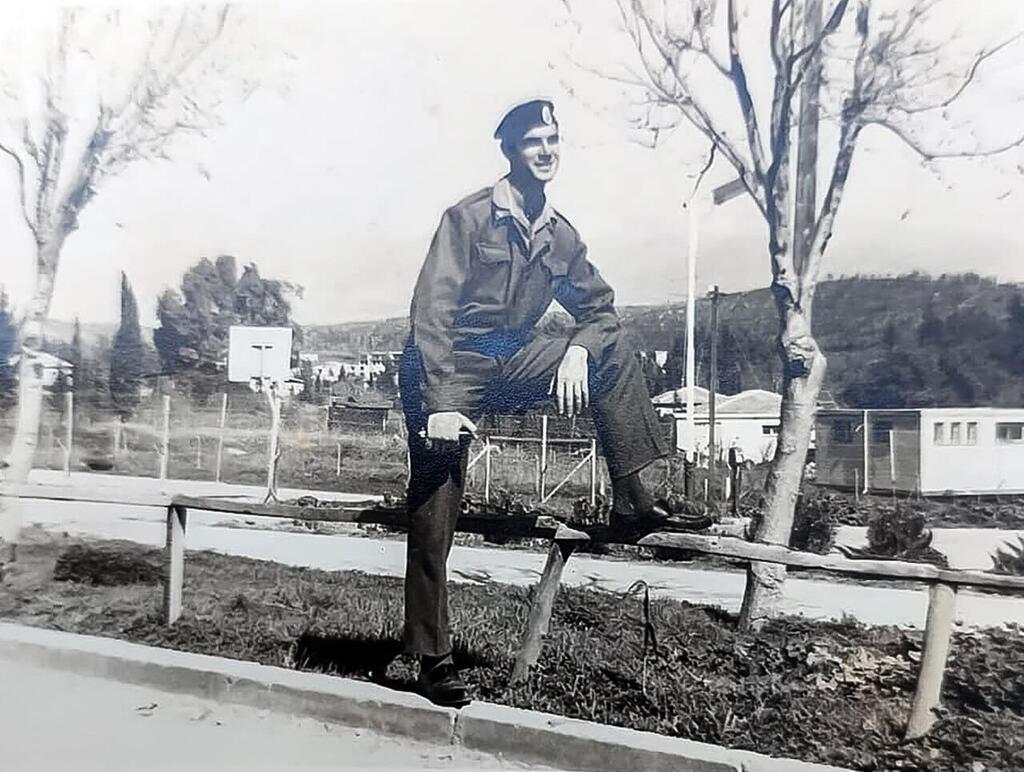
Natan Melman during his military service
(Photo: Ammunition Hill Six-Day War Heritage Center archives)
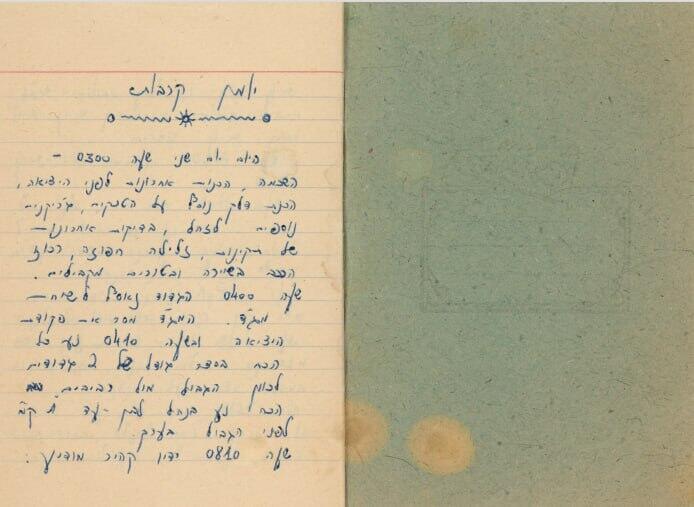
Natan Melman's wartime diary
(Photo: Ammunition Hill Six-Day War Heritage Center archives)
Through the gun sight, he described the sharp transition between light and darkness: “It is interesting that during the day we do not worry at all and are not afraid at all. Fear comes at night, when you cannot see and do not know from where the evil will come,” he wrote.
Crushing the enemy in cold blood | Itamar Neuner
This is the story of a Mirage pilot who reconstructed his fading diary.
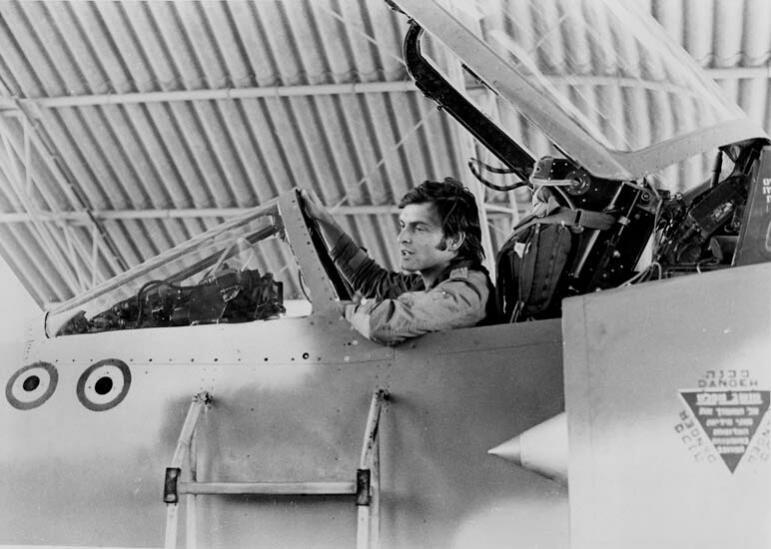
Itamar Neuner
(Photo: Ammunition Hill Six-Day War Heritage Center archives)
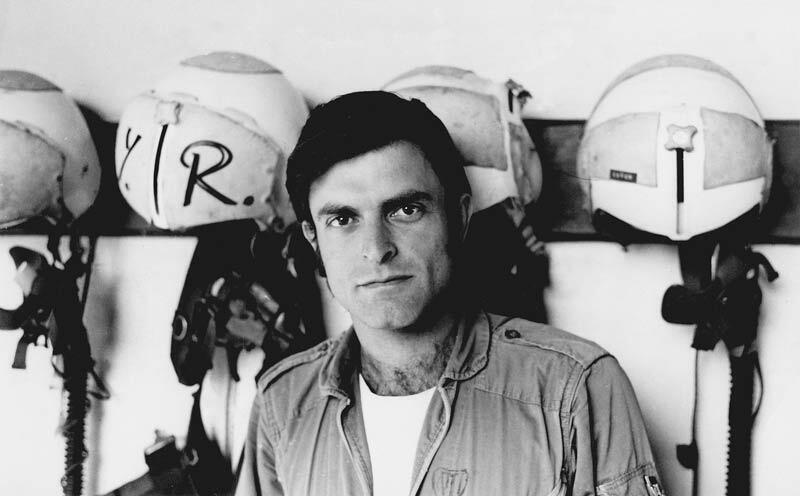
Neuner
(Photo: Ammunition Hill Six-Day War Heritage Center archives)
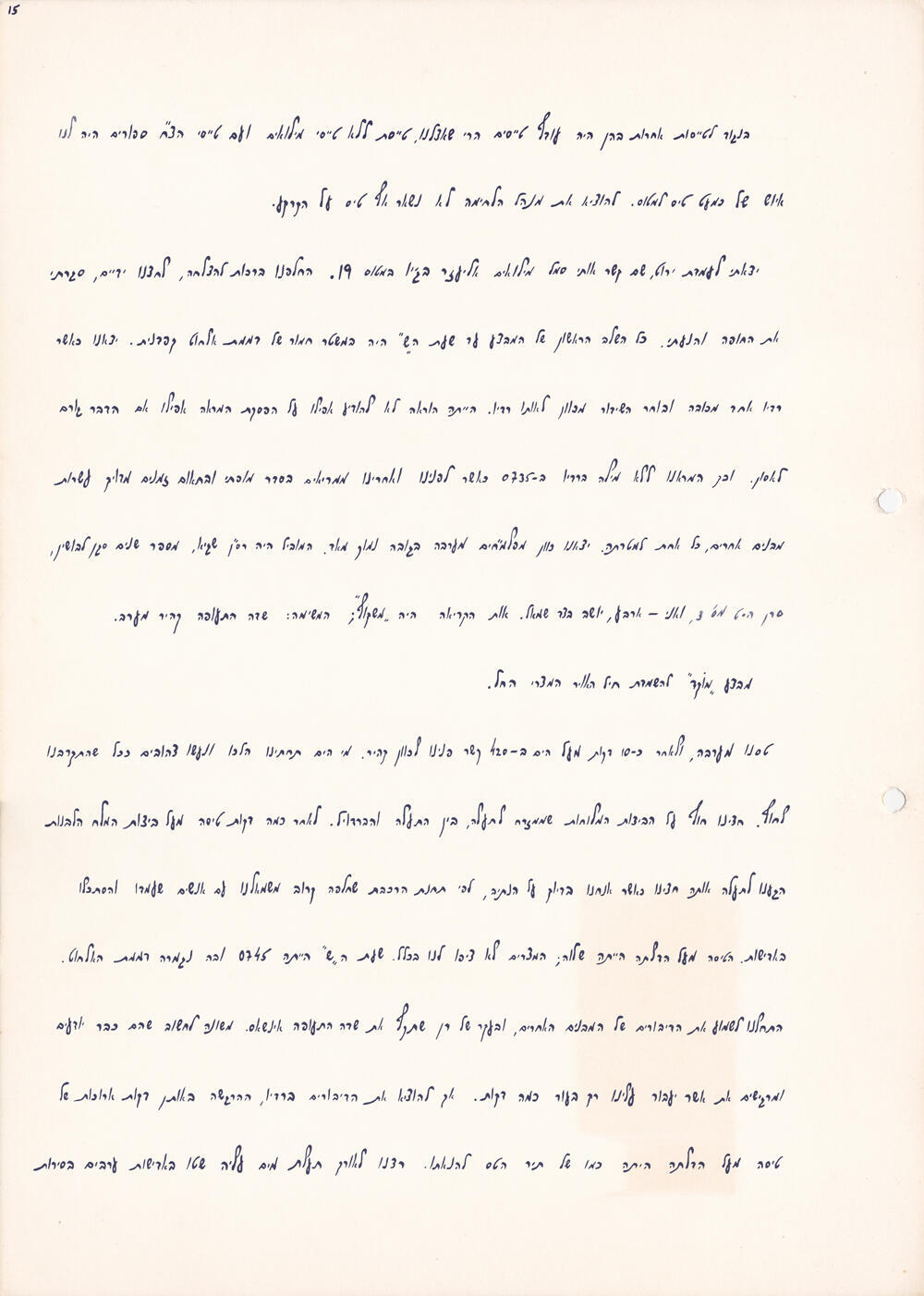
A page from Neuner's wartime diary
(Photo: Ammunition Hill Six-Day War Heritage Center archives)
Contrary to the myth of the detached pilot, Neuner looks reality in the eye: “We killed them in cold blood as we tore them apart with explosive 30 mm rounds … This was the first time I saw people being killed by bullets fired by me, but I continued and crushed them with the cold blood of a murderer, smooth and clean, like at a shooting range.”
The Jordanian diary that became Israeli testimony | Avraham Rotem
This is the story of a young reservist who found an empty diary on a neatly made bed in a Jordanian Legion camp and turned it into an Israeli diary.
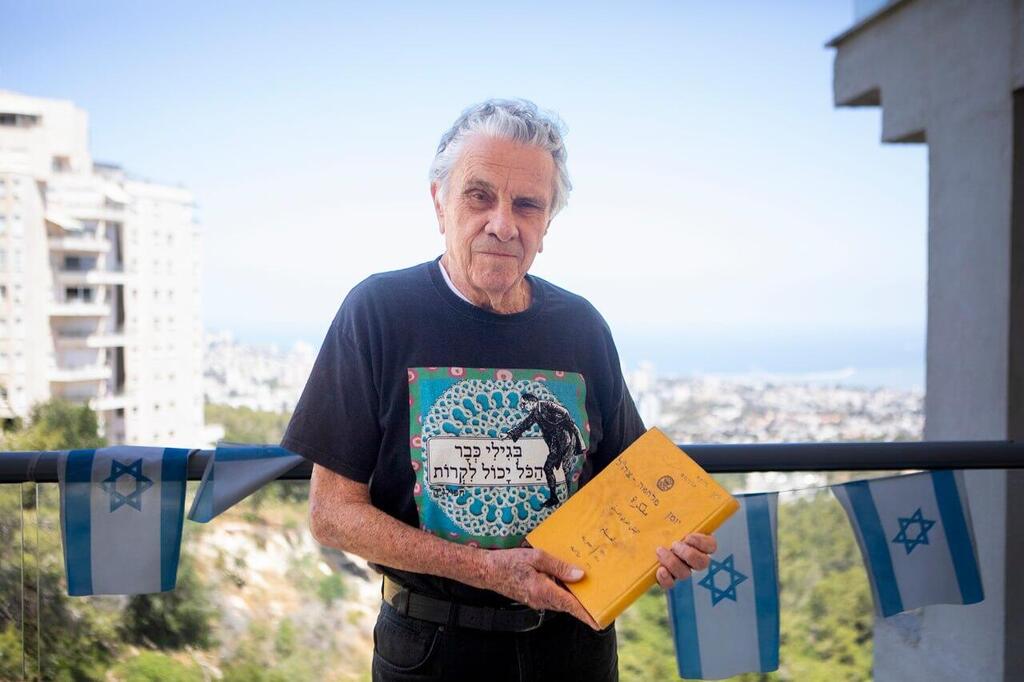
Avraham Rotem holds his wartime diary
(Photo: Ammunition Hill Six-Day War Heritage Center archives)
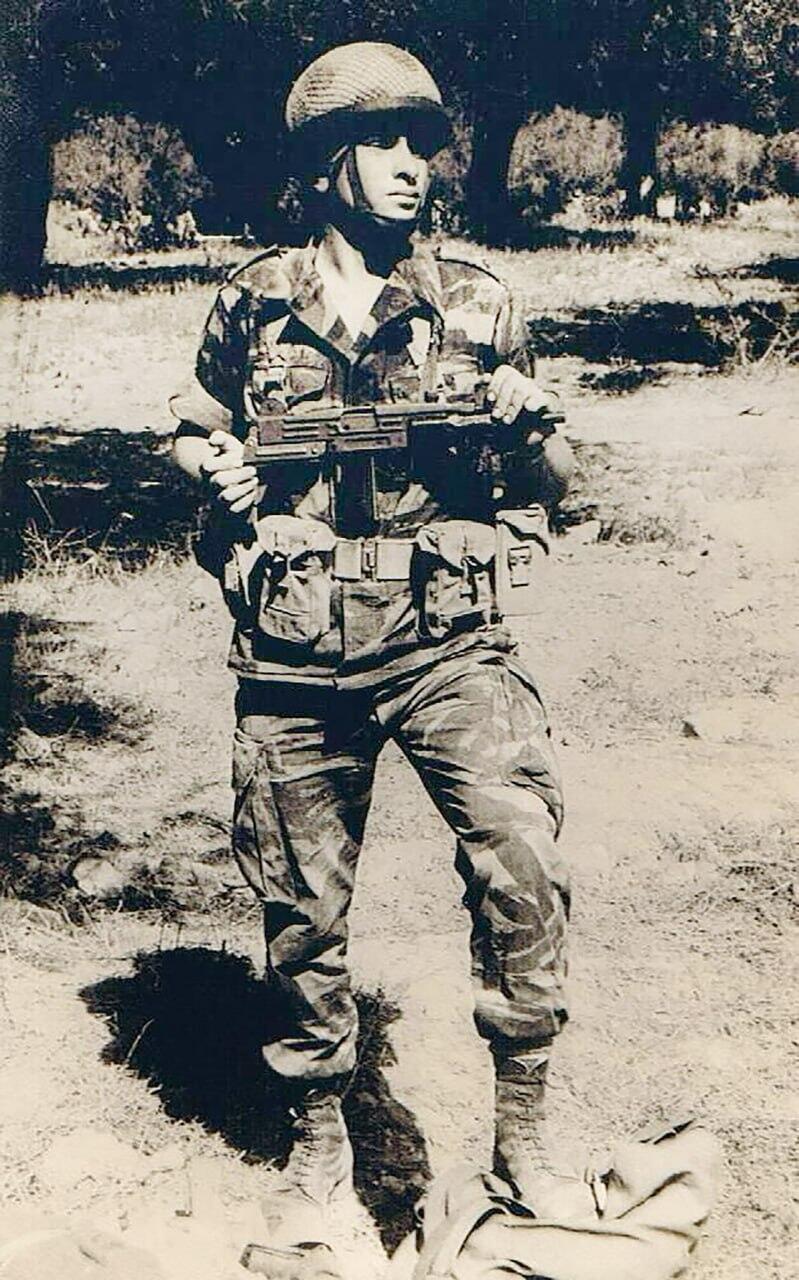
Rotem during his military service
(Photo: Ammunition Hill Six-Day War Heritage Center archives)
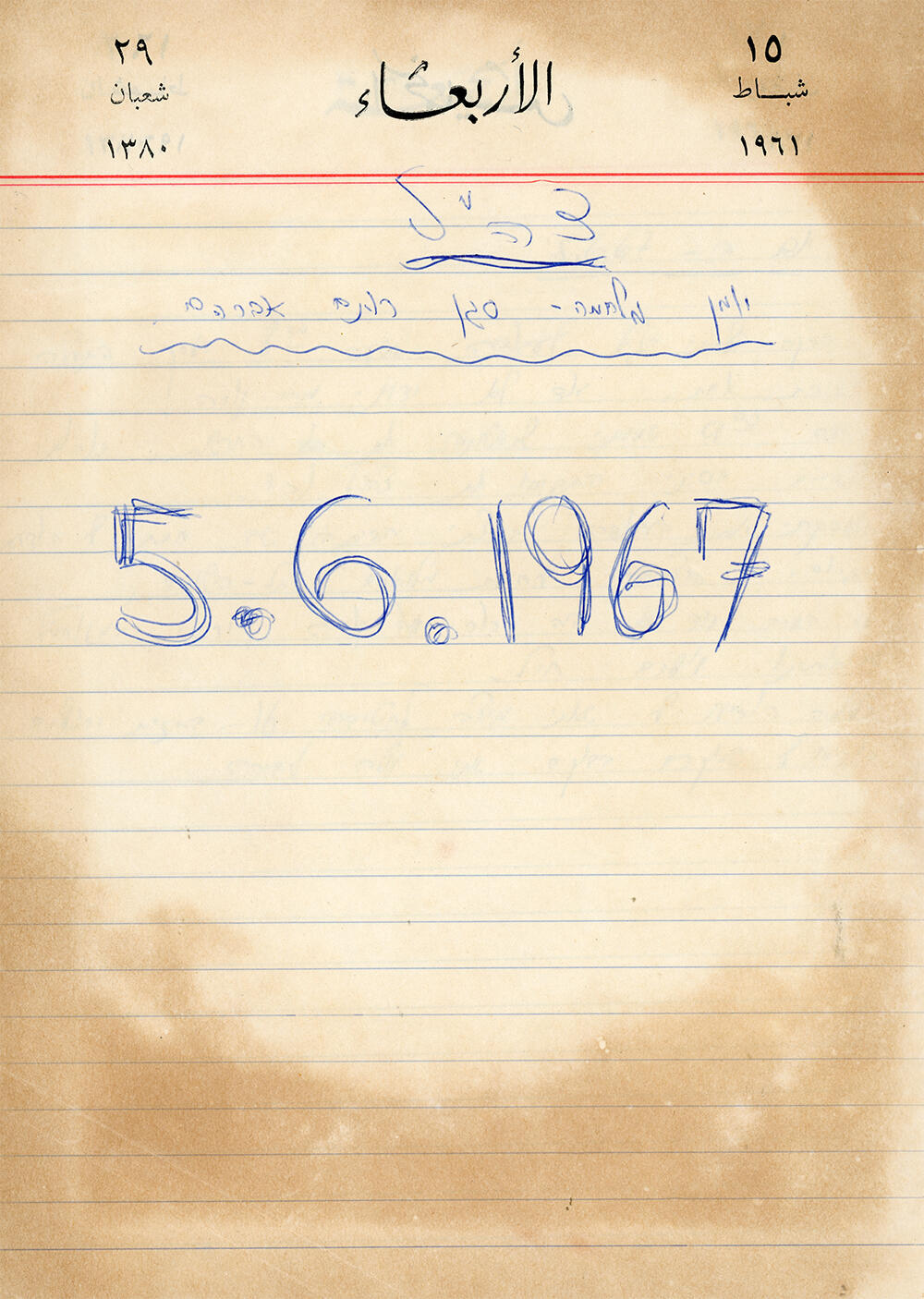
A page from Rotem's wartime diary
(Photo: Ammunition Hill Six-Day War Heritage Center archives)
He vividly described the routine of bereavement in battle: “We read and hear all the time about another friend who was killed or wounded, a bad feeling. ‘Laughter mixed with sadness’ — they used to say. Only now do I see how true that is.”
Rotem also described the daily reality of soldiers on the line of fire: “I immediately received equipment, without signing, from a soldier who was hit yesterday in shelling. In the evening we organized ourselves in a hut near Beit Hakerem — resting and licking our wounds. It is a great moment: The Western Wall is in our hands, Jerusalem has been liberated.”
Divine providence under fire | Dr. Haim Lavi, of blessed memory
This is the story of a Nahal soldier who returned from the battles in Nablus and the Golan Heights and sat down at a typewriter to heal his soul.
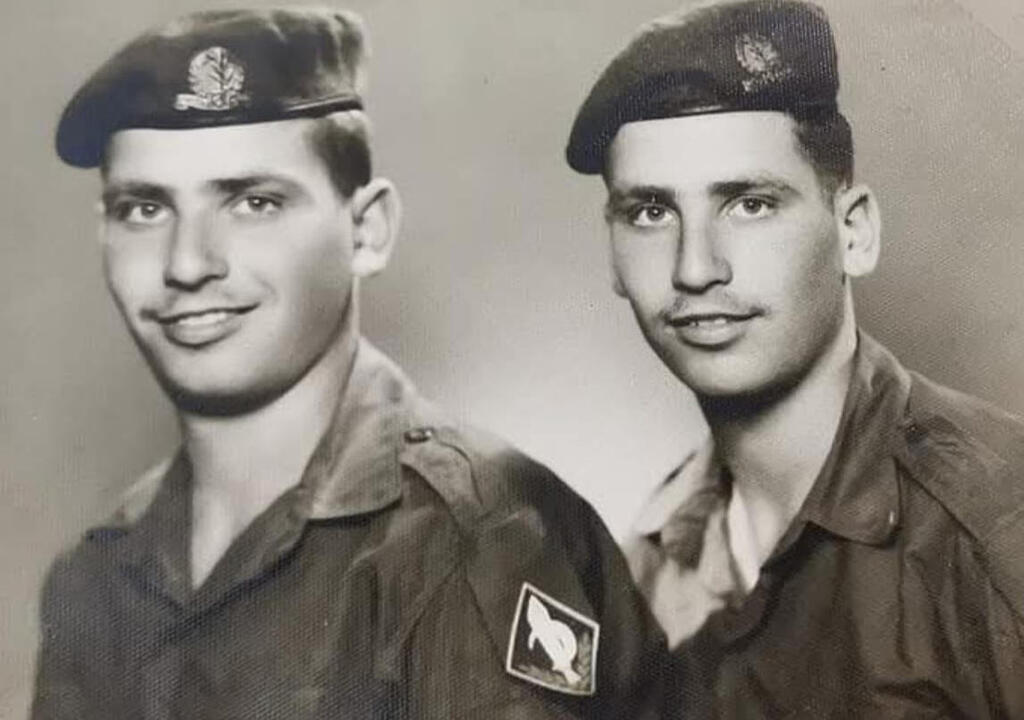
Dr. Haim Lavi during his military service
(Photo: Ammunition Hill Six-Day War Heritage Center archives)
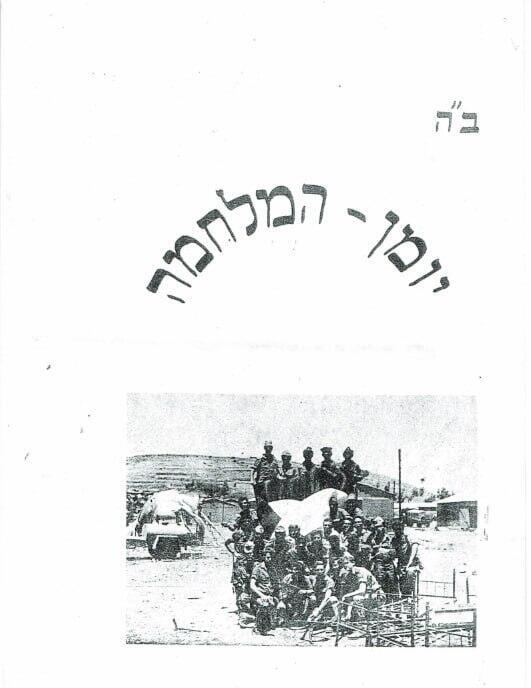
Dr. Lavi's wartime diary
(Photo: Ammunition Hill Six-Day War Heritage Center archives)
“We passed through our first serious baptism by fire, thank God, in peace. Who can guarantee that we will emerge the same way from the second? We were sated with battle and already wanted to go home, but there was no choice.”
He also wrote about evacuating the wounded: “Those on a mission of mitzvah are not harmed … Not one of the guys who carried the stretchers downhill under fire was even scratched, thank God.”
Euphoria mixed with doubt | Ran Hakim, of blessed memory
This is the story of a platoon commander from Kibbutz Ramat Hashofet who obsessively documented the war to impose order on the chaos.
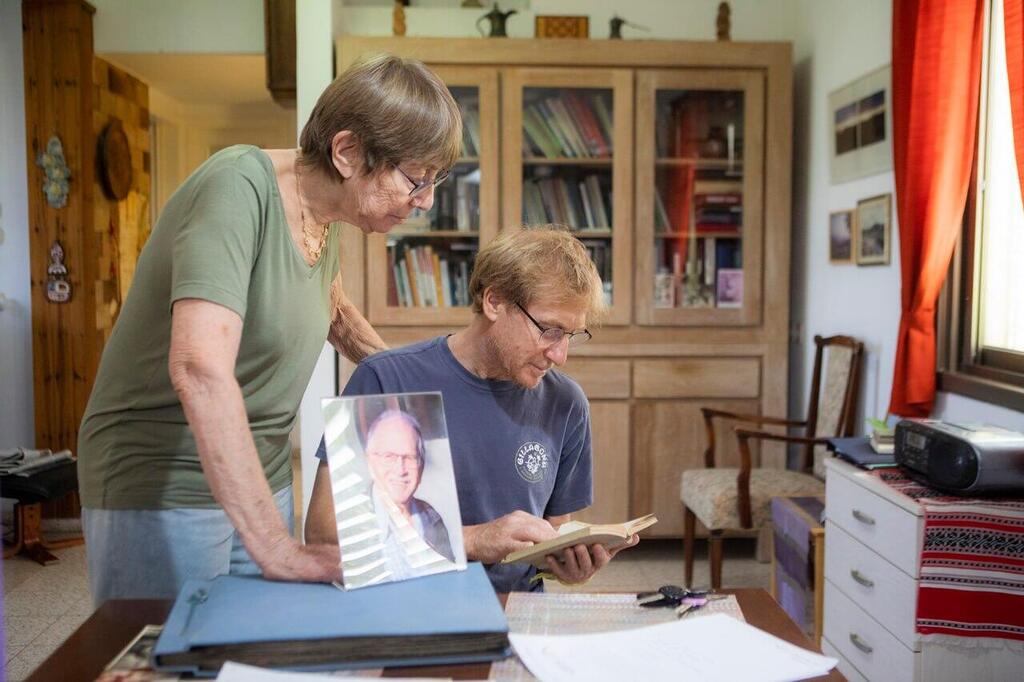
Ran Hakim holds his wartime diary
(Photo: Ammunition Hill Six-Day War Heritage Center archives)
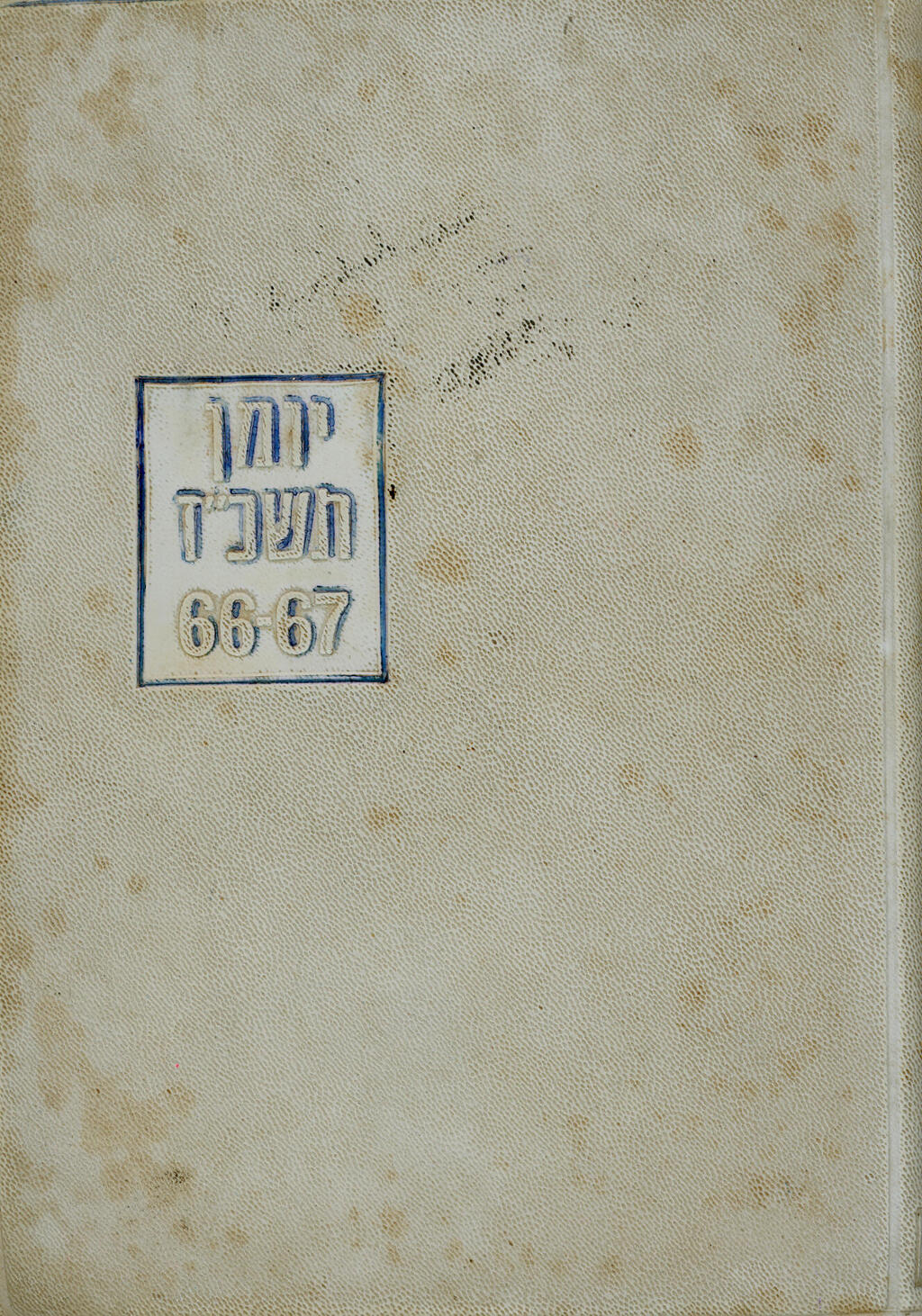
Hakim's wartime diary
(Photo: Ammunition Hill Six-Day War Heritage Center archives)
“The fact that we passed the bodies of the Syrian soldiers and found many empty magazines beside them, the fact that we knew they had fought, wounded, to the end. The fact that we were silent expressed our respect for the bravery of those soldiers.”
In another section of his diary, he wrote: “We hear over the airwaves the news of the capture of the Old City of Jerusalem and Nablus. The inner bitterness grows even stronger.”
At the end of the war, amid the cries of joy, he posed a piercing question: “There is something of victory in the waving of hands and the calls of peace, but what really is victory? It will take a long time to illustrate this.”