


The United States made a lot of progress in talks with Iran, U.S. Vice President JD Vance said in an interview on Fox News' Special Report with Bret Baier on Monday.
Vance, asked whether more talks were coming, said the ball was in Iran's court.
Gallery
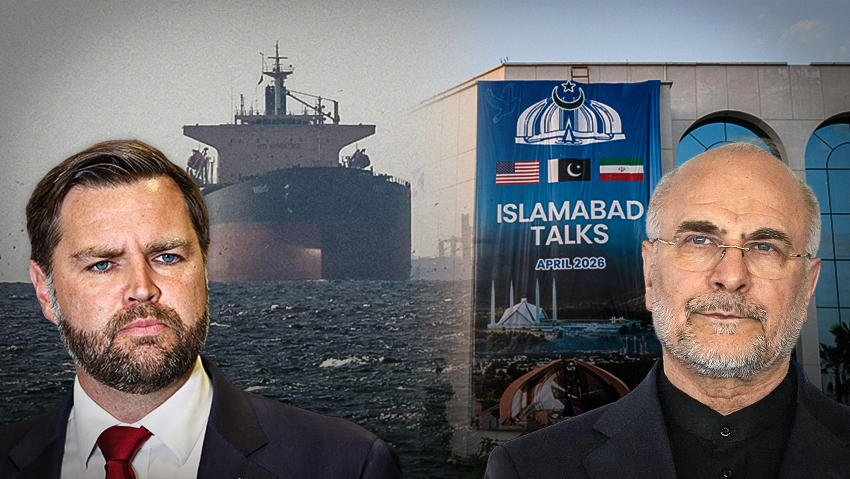
(Photo: AP Photo/Eraldo Peres, Fadel SENNA/AFP, REUTERS/Stringer, Rebecca Conway/Getty Images)
He added that the U.S. expects Iran to make progress on opening the Strait of Hormuz, warning that the negotiation would change if Tehran does not.
The comments came after high-level talks in Islamabad ended without an agreement and after the U.S. announced a military blockade of Iranian ports beginning Monday.
The failed talks in Pakistan took place against the backdrop of a fragile two-week ceasefire reached last week after weeks of war. The negotiations have centered on Iran’s nuclear program, the future of maritime access through the strategic waterway and broader terms for de-escalation. The Strait of Hormuz normally carries about one-fifth of globally traded oil, making any disruption there a major international concern.
The New York Times reported, citing two senior Iranian officials and one U.S. official, that the U.S. asked Iran during the Islamabad talks to halt uranium enrichment for 20 years and that Tehran responded Sunday by offering to suspend enrichment for up to five years.
Mohammad Marandi, a member of the Iranian delegation, told the Hezbollah-aligned Al Mayadeen network that the delegation had received what he described as direct threats and credible information indicating its aircraft could be attacked on the way back from Islamabad. He said the plane changed course, landed in Mashhad and that delegation members then traveled overland to Tehran.
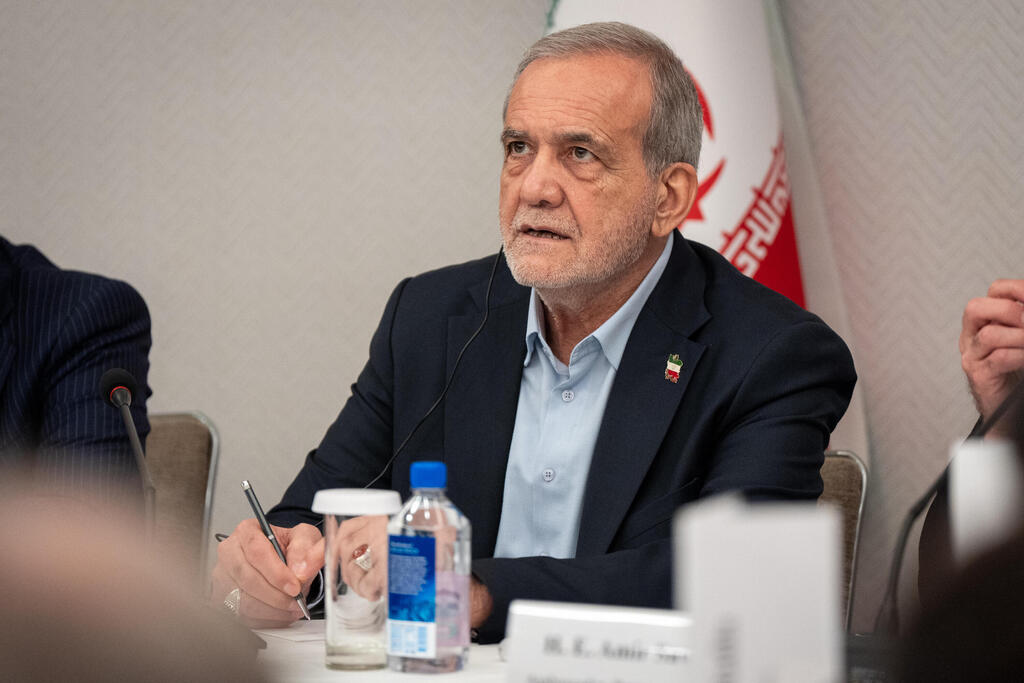
Iranian President Masoud Pezeshkian
(Photo: AP Photo/Angelina Katsanis)
Meanwhile, Iranian President Masoud Pezeshkian spoke with French President Emmanuel Macron and said Tehran was prepared to continue talks with the United States within the framework of international law and in a way that protects what he called the rights of the Iranian people, according to Iranian media reports. He also warned that threats involving the Strait of Hormuz would have consequences for global trade.
Macron has meanwhile argued for a diplomatic solution and said reopening the Strait of Hormuz by force is unrealistic. France and Britain are now set to host talks on a possible defensive multinational naval mission aimed at restoring freedom of navigation through the waterway.