

French President Emmanuel Macron called on Iran to halt strikes against countries in the region and reopen the Strait of Hormuz, as Israel said it struck a major Iranian military command center in Tehran.
Macron said he spoke with Iranian President Masoud Pezeshkian and urged Tehran to stop attacks against regional countries and end the closure of the strategic waterway.
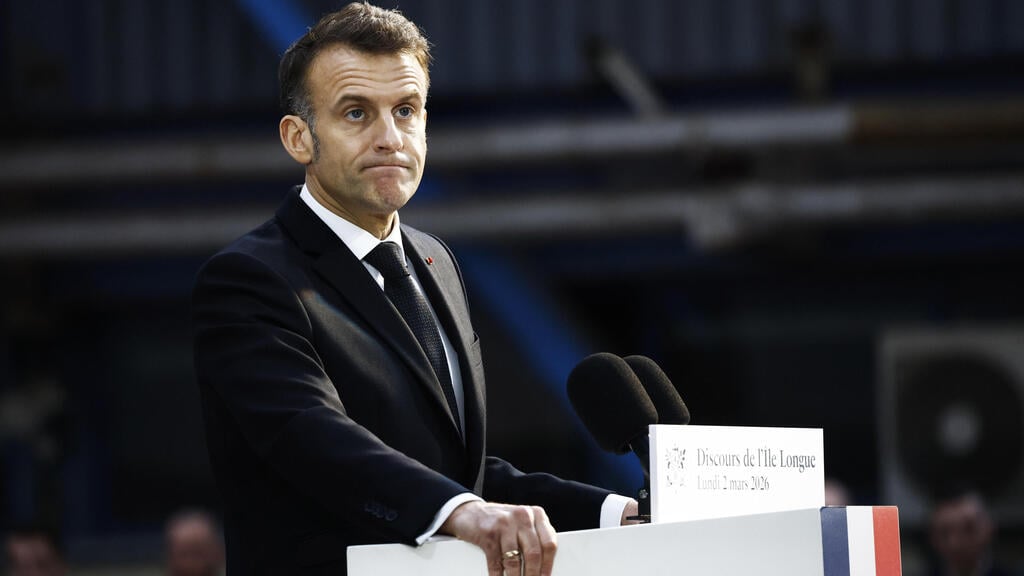
In a post on X, Macron reiterated France’s position that a diplomatic solution is needed to end the conflict.
IDF: IRGC air force headquarters struck in Tehran
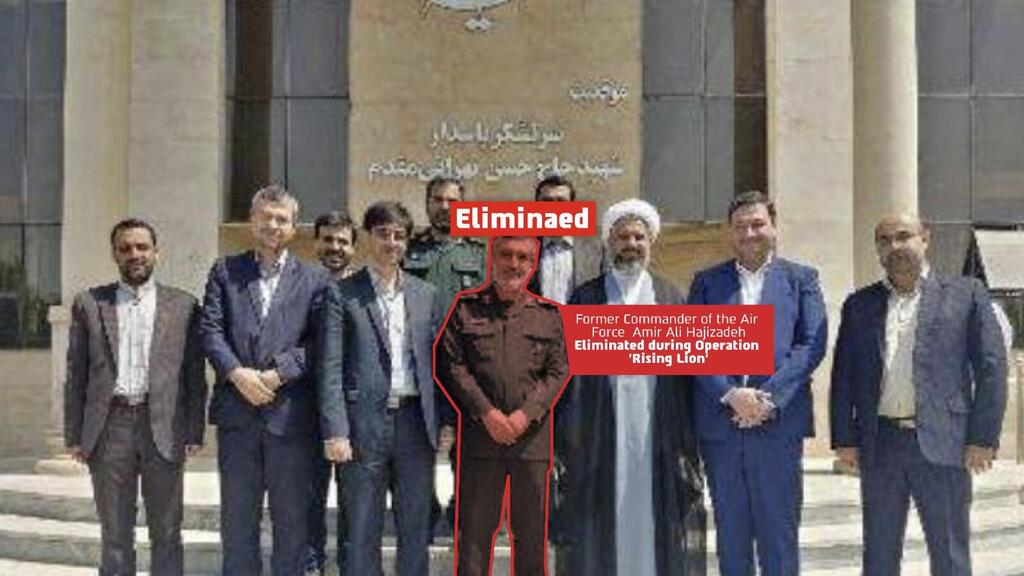
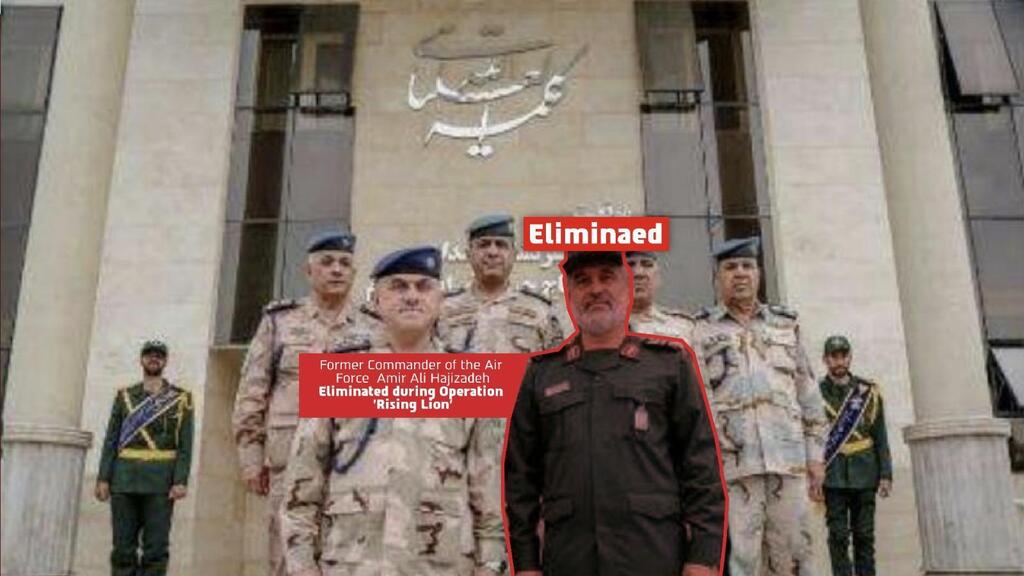
The Israel Defense Forces said it destroyed the headquarters of the Islamic Revolutionary Guard Corps’ air force in central Tehran during a wave of strikes on the Iranian capital.
HQ of IRGC Air Force


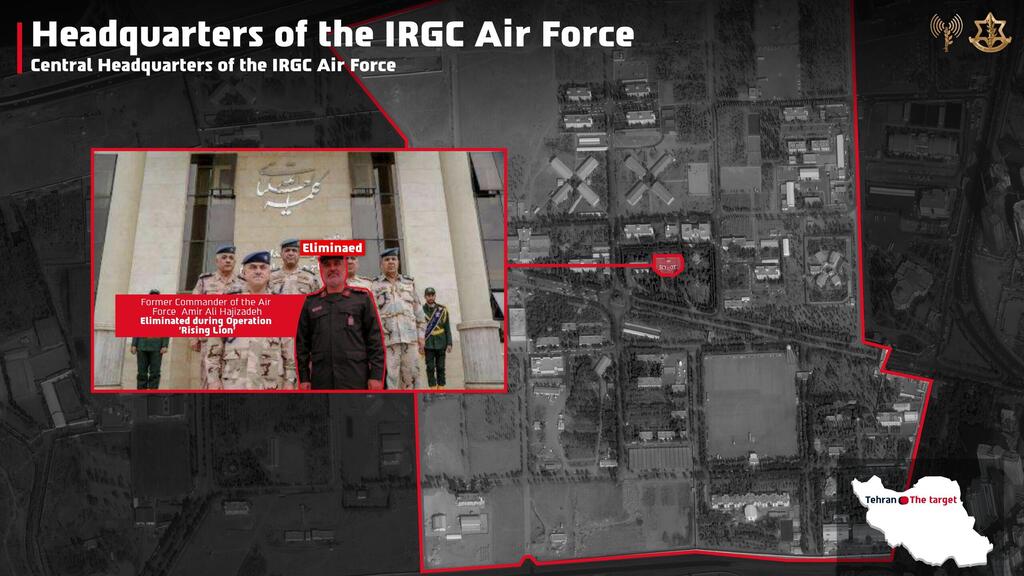
IRGC air force headquarters struck in Tehran
(Photo: IDF)
IDF spokesperson Brig. Gen. Effie Defrin said the site served as the central command center for the regime’s air force operations.
“From this headquarters operated the ballistic missile command, the unmanned aerial vehicle array and other units of the regime’s air force,” Defrin said.
According to the military, the facility was responsible for forming the operational picture and planning attacks against Israel and other countries in the region.
(Photo: IDF)
The strike, Defrin said, is part of Israel’s broader effort to damage Iran’s ballistic missile infrastructure and disrupt its ability to coordinate missile launches toward Israel.
“The IDF continues to strike to deepen the damage to the core systems of the Iranian terror regime and its foundations,” he added.
(Photo: IDF)
Possible changes to home front restrictions
Defrin said the military is considering adjusting civil defense restrictions between northern Israel and other parts of the country.
“We are aware of the difficulty,” he said. “We are reviewing this constantly. At the moment there is no change in the guidelines. If there is, we will update.”
He also addressed the possibility that the Iranian-backed Houthis in Yemen could join the conflict.
“We took into account that this could become a multi-front campaign,” he said. “We will strike with great force anyone who dares to attack the State of Israel.”
Zamir: ‘This war will shape our future for years’
IDF Chief of Staff Lt. Gen. Eyal Zamir also met with Home Front Command rescue forces and senior commanders to assess the situation.
Zamir praised the work of the rescue units since the start of the operation and said their role was critical to the success of the campaign.
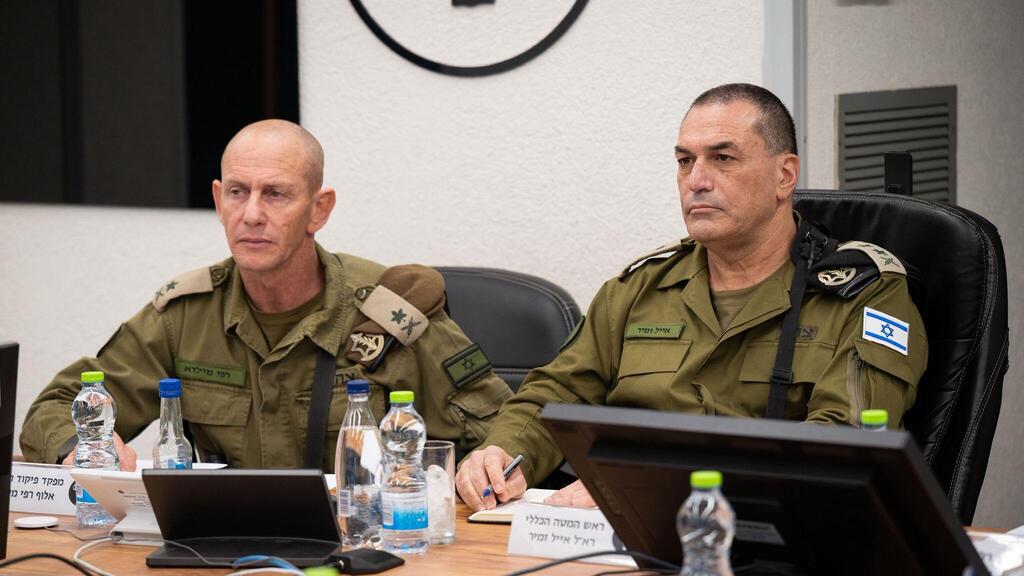
IDF Chief of Staff Lt. Gen. Eyal Zamir
(Photo: IDF)
“We are now attacking the most dangerous enemy we have — Iran,” Zamir said. “It is not only Iran. It also built the axis — Hezbollah, and in many ways Hamas and Islamic Jihad in Gaza.”
He added that Iran continues to build militias across the region.
“We are going for the head of the snake,” Zamir said. “One of the fronts is the home front. Your role is critical and vital to the success of this campaign.”
Part of the victory, he said, depends on the resilience of Israeli civilians.
“Israel has already been in a state of prolonged emergency for two years. What we need now is perseverance and patience,” Zamir said.
“This will take a long time, and you must be prepared for that. However long it takes, it will take.”
He stressed that the conflict is decisive for Israel’s future.
“This is the war of our generation. It is a critical war, a fateful war,” Zamir said. “This war will determine our future and security here for many years to come.”