

In an effort to tighten control over citizens, Iran’s ayatollah regime has imposed a digital blockade, shutting down the internet in a way that is harming the local economy and fueling public anger that could drive people into the streets. The restrictions have driven up prices for VPNs, or virtual private networks, on the black market, while Iranian state media routinely report arrests of citizens for using illegal VPNs or the American satellite system Starlink, which was banned last year.
Even as the public is cut off from the outside world, senior officials enjoy a privileged arrangement in the form of “white SIM cards,” which grant access to the global internet. The regime also allows less restricted access to a small number of roles, businesses and media outlets. The Tehran E-Commerce Association condemned the tiered internet access policy, describing it as “an abuse of a citizen’s basic need,” and warned that such shutdowns “threaten to destroy the country’s infrastructure at the hands of decision-makers.”
Gallery
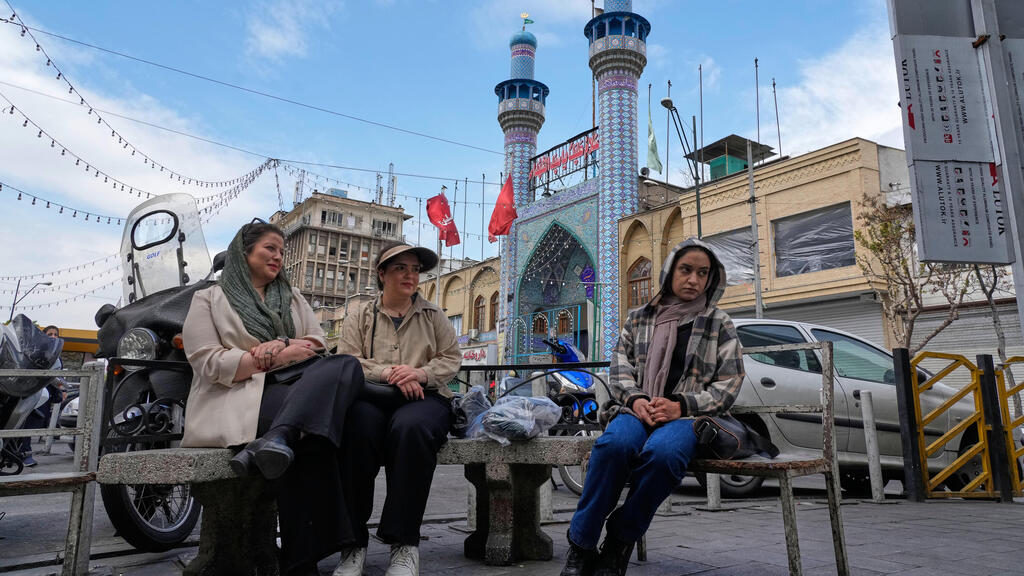
Iranian women in the heart of Tehran. Nearly two months without internet
(Photo: AP Photo/Vahid Salemi, File)
A Tehran resident who works in advertising said business owners are unwilling to pay high prices for content that cannot be distributed on widely viewed platforms such as Instagram, which has millions of users. He said his income has dropped to nearly zero since the start of the war due to the internet restrictions.
A gamer from Isfahan with a large following on YouTube and Instagram said Iran’s domestic network is “terrible, slow, insecure and full of glitches.” He added that the restrictions have hurt him financially, wiping out nearly all his income from sponsors and donations.
Although Iran has its own social media platforms modeled on services such as WhatsApp and YouTube, content is closely monitored and often censored. “No one really wants to use these platforms, but there is no alternative,” the gamer said. Like the advertising professional, he spoke on condition of anonymity for fear of government reprisal.
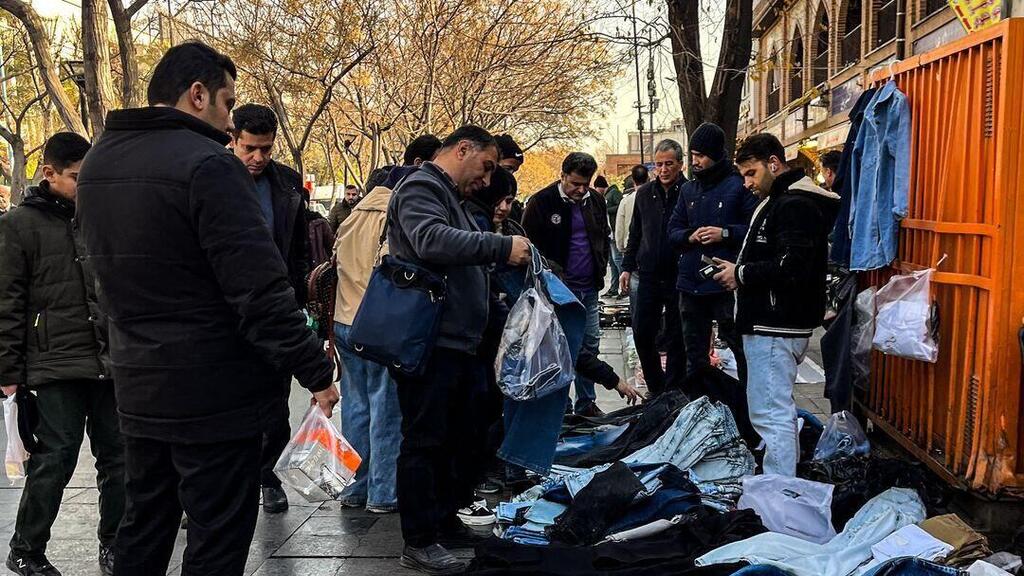
Clothing for sale at a market in Tehran
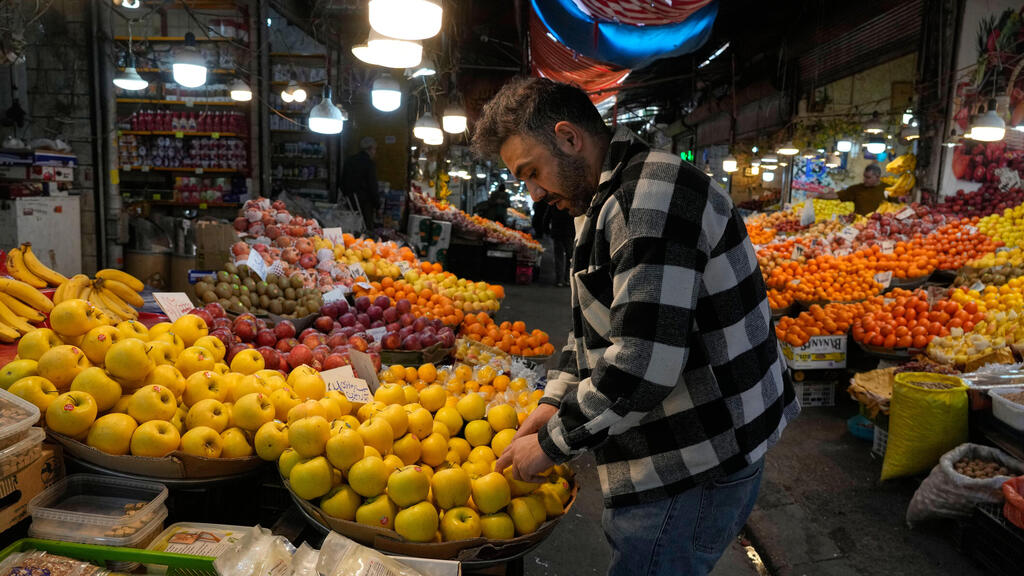
Tehran market
(Photo: AP Photo/Vahid Salemi)
In a reality where daily life depends on communication and internet access, Iran’s middle class — subject to the new restrictions — is among the first to be affected. An Iranian software developer said many citizens are now considering emigration. He said the internet shutdown has eliminated the possibility of remote work, leading him to lose his job in the latest round of layoffs at his company.
The impact is also evident in the growing number of street vendors in Tehran. Reza Amiri, a 32-year-old former employee of an internet service provider, now sells hats and umbrellas near a metro station. Like the software developer, he lost his job after the war began and did not receive his final monthly salary.
Monireh Pishgahi sells decorations and accessories on the capital’s well-known Vali Asr Street. She said her tailoring business once supplied goods to three online stores, but demand has fallen due to the restrictions, forcing her to lay off five employees.
Mohammad Rihai, a shop owner in the city center, said he has given up trying to persuade street vendors to stop blocking the sidewalk outside his store. “After the war, you see them along the entire sidewalk. I can’t fight them anymore,” he said.
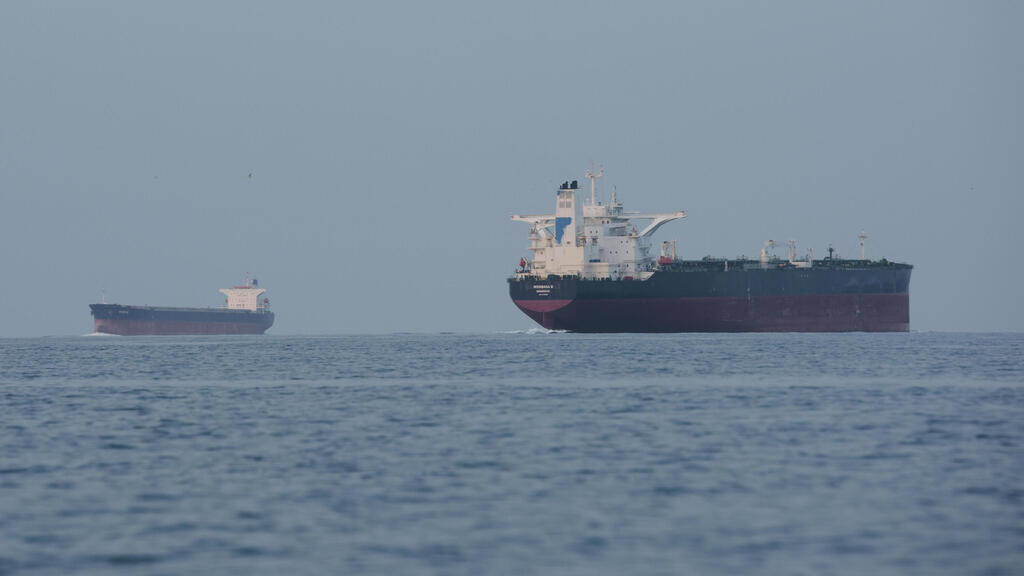
The blockade is also harming Iran’s economy
(Photo: AP Photo/Asghar Besharati)
Alongside the communications disruption affecting Iran’s economy, military analyst Ron Ben-Yishai said on ynet’s news podcast Wednesday that U.S. President Donald Trump prefers economic warfare that would inflict significant damage on Iran — targeting its oil industry and the regime’s ability to recover. “The Americans are increasingly seizing ships carrying either Iranian oil or materials that could help it rebuild,” he said.
“Once the Iranians cannot export oil, they have to store what they produce, and they run out of space. Then they have to stop pumping. It will be difficult for them to restart the wells, if they can at all,” he added. “At the same time, there is damage to the petrochemical industry, so they can trade only in crude oil. They may try to move limited quantities over land routes or via the Caspian Sea to Russia.”