

Saudi Arabia said Monday afternoon that it had intercepted an unusual drone attack targeting oil facilities in the kingdom, blaming Iran-backed militias operating from Iraqi territory.
The Saudi Defense Ministry said air-defense systems had intercepted and destroyed several drones launched toward oil installations in the Eastern Province and targets in the capital, Riyadh.
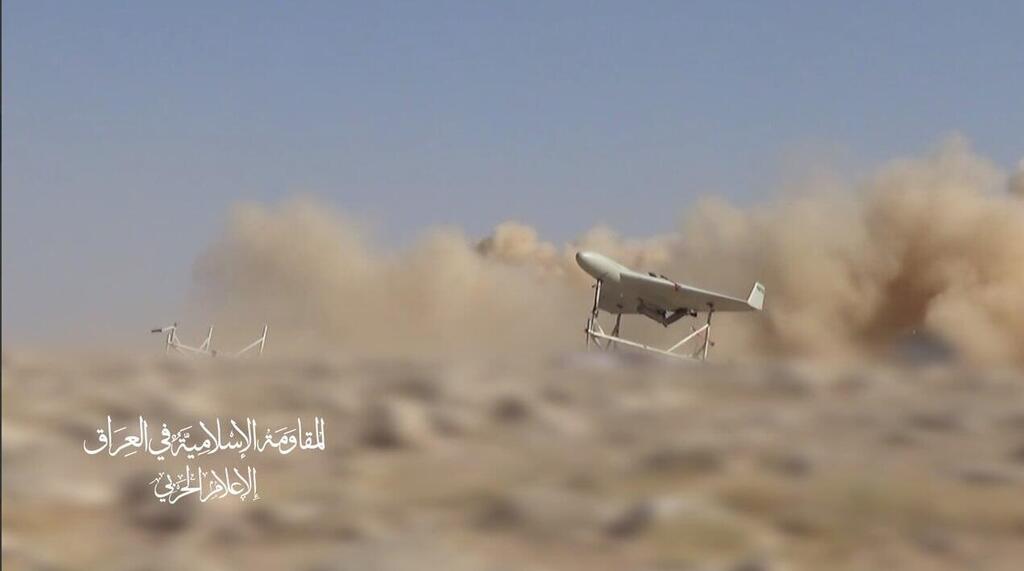
“These terrorist attempts originated from Iraqi territory and were carried out by Iran-backed militias,” the ministry said.
Saudi Arabia’s Foreign Ministry condemned what it called an act of aggression and said the kingdom retained the right to defend itself, protect its assets and respond “at the appropriate time and place.”
It also called on the Iraqi government to take all necessary measures to prevent Iraqi territory from being used as a launchpad for attacks against Saudi Arabia.
Yemen’s Iran-backed Houthi rebels separately claimed they had targeted Saudi crude-oil transportation infrastructure with drones. It was not immediately clear whether the Houthi statement referred to the same attack announced by Riyadh.
Drone attacks launched from Iraq toward Saudi Arabia have been reported in the past. In April, Riyadh summoned the Iraqi ambassador for a reprimand following similar incidents.
The latest attack comes during a pause in fighting between Iran and the United States, as the Trump administration seeks to revive an agreement with the Islamic Republic while warning that a broader escalation remains possible if negotiations fail.
The Saudi announcement came hours after the IDF intercepted two drones near the Jordanian border before they crossed into Israeli territory. The military said the source of the launches was under investigation and that no alerts were activated under existing policy.
Jordan later said it had intercepted two drones over its territory. It was not immediately clear whether those were additional aircraft or the same drones detected near Israel.
The Iran-US pause entered its third consecutive day Monday. Although President Donald Trump has continued issuing threats, including through a series of AI-generated images posted Sunday night on Truth Social depicting explosions aboard Iranian ships and at Iranian facilities, the United States has not resumed its strikes and negotiations remain underway.
Two regional officials told The Associated Press that Qatar and Oman, which are leading the mediation effort, had made progress in talks aimed at bridging gaps between Washington and Tehran.
The mediators are seeking to restore the ceasefire outlined in a June memorandum of understanding, which Trump has said the United States did not violate.
According to one regional official, the mediators are working with Iran and Oman on a compromise governing the movement of ships through the Strait of Hormuz.
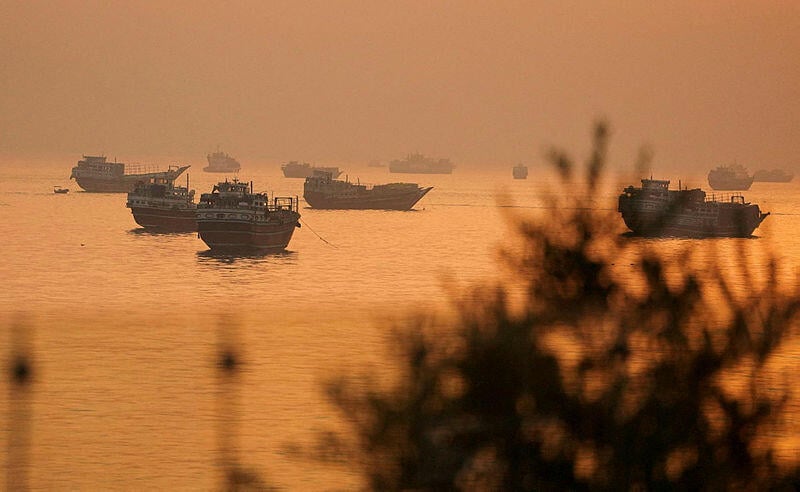
Strait of Hormuz
(Photo: REUTERS/Stringer)
The dispute over the strategic waterway was the main issue behind the collapse of earlier talks and the breakdown of the ceasefire. Iran insisted that, under the memorandum, it would control shipping through the strait, over which it has claimed sovereignty since the outbreak of the war.
Tehran also refused to allow ships to use the southern route farther from the Iranian coast, near Oman, where vessels are not required to pay transit fees.
Iran attacked ships that nevertheless used that route with U.S. encouragement. Washington rejects Iran’s sovereignty claim over the strait. The U.S. military retaliated and, on Trump’s orders, renewed a blockade of Iranian ports.
That blockade has continued during the current pause, while traffic through the strait remains effectively paralyzed.
The memorandum of understanding calls for Iran and Oman to negotiate arrangements for shipping through the strait, which in normal times carries about one-fifth of global oil consumption. Before the war, passage through the waterway was unrestricted and free of charge.
Previous reports said Iran rejected an Omani proposal for a voluntary payment mechanism and insisted that every vessel crossing the strait be charged.
Mediators are now seeking a compromise through negotiations between Iran and Oman, which continued over the weekend.
Iranian Foreign Ministry spokesman Esmail Baghaei said Monday morning that talks with Oman over the previous two days had been “positive.” He stressed, however, that Tehran currently considers the memorandum invalid and that the Strait of Hormuz remains closed.
Ali Jahanshahi, commander of the Iranian army’s ground forces, also issued a warning.
“We will stand against any aggression or threat to the last drop of our blood,” he said. “Iran’s forces will never abandon the defense of the homeland and the principles of the Islamic Revolution.”