


Southern Command chief Maj. Gen. Yaniv Assor joined a situation assessment via video conference from the command base in Beersheba last week. He raised a highly sensitive issue first reported by Nadav Eyal in Ynet and Yedioth Ahronoth in April: growing tension between Southern Command and the Israeli Air Force over Assor’s expansive rules of engagement in Gaza, which — according to numerous claims and testimonies — have led to the deaths of hundreds of uninvolved Palestinians.
As previously reported, Air Force Commander Maj. Gen. Tomer Bar personally approves airstrikes in Gaza. Assor is now demanding that Bar stop opposing proposed aerial strikes and refrain from overturning decisions made by Southern Command. The meeting, held in the General Staff’s main conference room at the Kirya IDF headquarters in Tel Aviv, was attended by more than 20 generals and senior officers. According to multiple accounts, it wasn’t long after Assor made his demand that the discussion erupted into shouting.
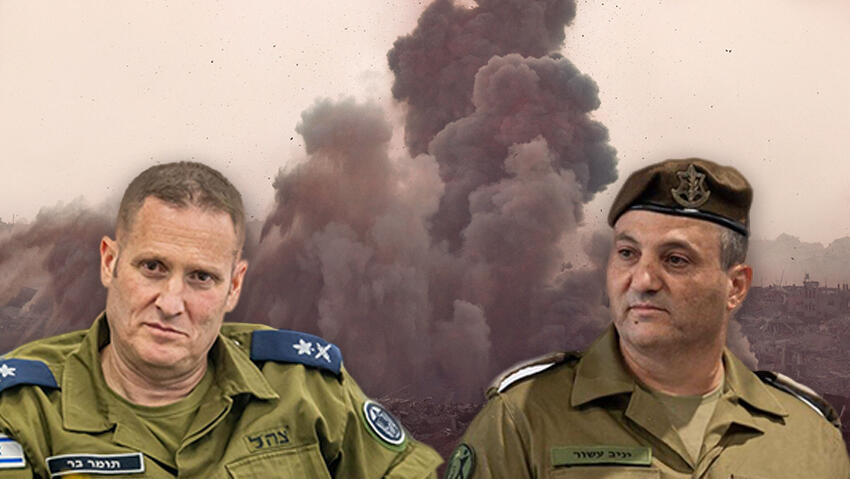
The air force chief told his colleagues that he had been forced to intervene in several recent cases due to what he called “unprofessional conduct” in many of the requested strikes by Southern Command. At that point, according to witnesses, Assor lost his composure: “You people in Tel Aviv are detached from the field.” Chief of Staff Eyal Zamir stepped in, rebuking Assor for his tone and stating that such language was “unacceptable.”
Frustration over ground operation results
Underlying this unusually fierce dispute is mounting frustration within Southern Command over the lack of results from the months-long ground operation in Gaza. Operation Gideon's Chariots, now nearing its end, has failed to achieve its declared goal: generating military pressure on Hamas to facilitate a hostage deal.
The opening strike of the operation — which broke a ceasefire earlier this year — succeeded in killing dozens of Hamas commanders in a surprise overnight raid. However, according to Hamas and international sources, the attack also killed hundreds of Gazan civilians, including women and children. Similar strikes followed, prompting sharp criticism from Western governments and eroding what remained of international support for Israel. The fallout from these strikes has also drawn criticism from within the military itself.
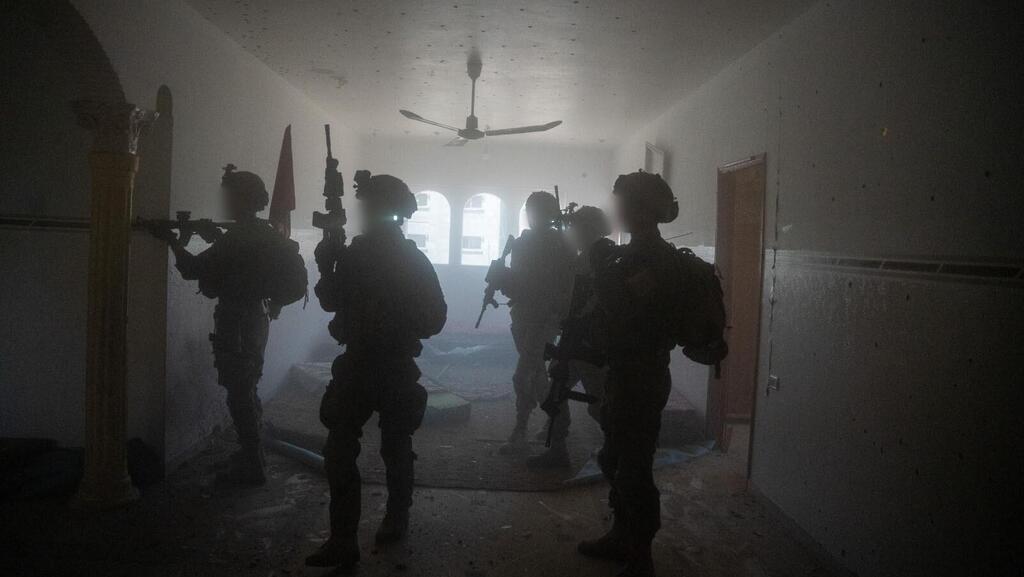
IDF troops operate in Khan Younis
(Photo: IDF Spokesperson's Unit)
“These are not close-air support strikes to assist troops under fire or target identified terrorists — in those cases, there’s no question and the risk is accepted,” said a defense official. “Southern Command’s fire policy has been pushed to the limit. The definitions of acceptable collateral damage were changed in ways that made the harm outweigh the benefit — such as targeting low-level Hamas operatives when the collateral damage was high. We’re in a different phase of the war now, not in the early months of maneuver warfare.”
IDF criticism of Assor
Military sources say that Maj. Gen. Yaniv Assor, who replaced Southern Command chief Maj. Gen. Yaron Finkelman following his resignation over the failures of October 7, has in recent months repeatedly clashed with other senior military officials — including those in the Operations Directorate and other branches — in a manner that has led many officers to limit professional engagement with him to a minimum.
The IDF has also faced growing criticism over the command’s decision to take on a ground operation that, in the eyes of many, has become futile — with no decisive blow dealt to Hamas, no progress in securing the release of the hostages, and continued attrition of Israeli forces. “There is no real maneuver, and the soldiers are exhausted. The enemy senses weakness — and attacks,” according to Maj. (res.) A.
Get the Ynetnews app on your smartphone: Google Play: https://bit.ly/4eJ37pE | Apple App Store: https://bit.ly/3ZL7iNv
Adding to the tension was the political echelon’s directive to minimize media coverage from inside Gaza during Operation Iron Swords, which has since been rebranded Gideon's Chariots Now, the two generals are expected to jointly formulate the next operational plan in the wake of the breakdown in hostage negotiations.
“There’s no precedent for a confrontation like this between generals on the General Staff,” said an officer who witnessed the unusual incident. “The army encourages open dialogue at every level, and the General Staff has seen its share of sharp disagreements throughout the war — but never at this intensity, which came close to becoming personal and required the intervention of the chief of staff.”
The IDF confirmed the details but declined to comment.