


Slovenia’s new government announced Thursday that it has canceled all measures previously imposed against Israel, including political and economic restrictions as well as a weapons export and import embargo.
The decisions reverse steps taken by the former government under Robert Golob, which were justified at the time over alleged violations of international law and humanitarian concerns in Gaza and the West Bank.
Gallery
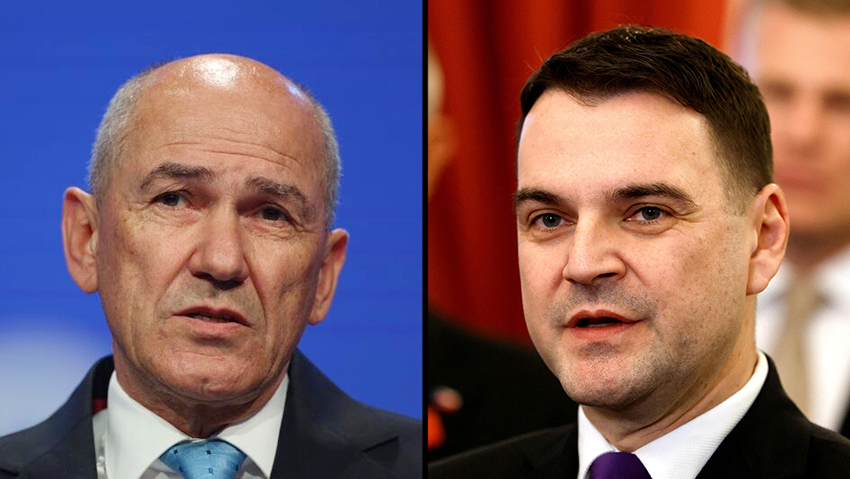
Janez Janša, member of the National Assembly of Slovenia and Czech Republic’s Foreign Minister Petr Macek
(Photo: European People's Party, REUTERS/David W Cerny)
The Slovenian Foreign Ministry emphasized that these measures were never actually implemented and that their reversal will allow a return to “normal political dialogue” with Israel. Officials said the government intends to expand cooperation with Israel in areas such as innovation, digital technologies, artificial intelligence, cybersecurity, water management, sustainable agriculture, health, science, and economic collaboration.
Prime Minister Janez Janša of Slovenia also lifted bans on Israeli leaders, including Prime Minister Benjamin Netanyahu, and ministers Bezalel Smotrich and Itamar Ben-Gvir, who had been previously declared persona non grata. The Defense Ministry explained that the prior arms embargo was unnecessary, as arms transactions are already regulated under national and EU legislation.
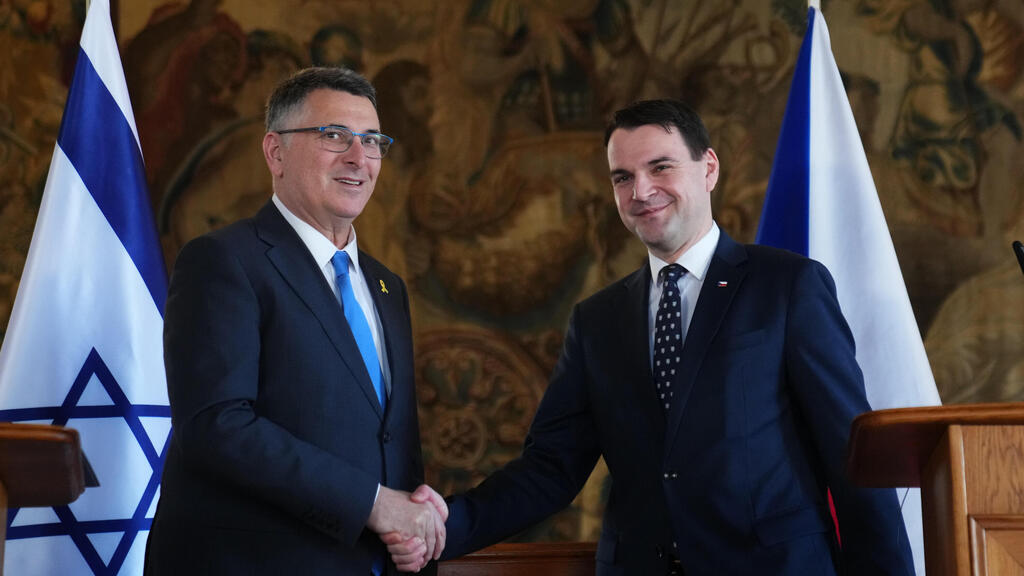
Foreign Minister Gideon Sa’ar with Czech Foreign Minister Petr Macinka
(Photo: AP Photo/Petr David Josek)
Czech Republic’s Foreign Minister Petr Macek told Bloomberg that Prague will block any EU attempts to impose sanctions on Israeli National Security Minister Itamar Ben-Gvir. Macek said the Czech government seeks pragmatic ties with Israel and other countries, focusing on political and economic cooperation rather than moral preaching.
Israel’s Foreign Minister Gideon Sa’ar praised the moves on X, calling Janša “a courageous leader and a true friend of Israel” and expressing optimism for joint initiatives. Jerusalem also announced plans to open an embassy in Ljubljana as soon as possible.
The EU foreign ministers are expected to meet on June 15 to discuss potential personal sanctions on Israeli ministers, but the Czech Republic has publicly opposed such measures, and sources indicate another country may follow Prague’s lead.
These developments underscore a divergence within the European Union, as some member states push for sanctions while Slovenia and Czechia move to support Israel and strengthen bilateral cooperation.