


The IDF this week completed a large-scale naval exercise simulating maritime infiltrations, clashes with terrorists and aerial threats, the IDF said.
The drill, led by the Navy’s missile boat flotilla and conducted in cooperation with the elite Shayetet 13 naval commando unit, submarine forces, maritime security patrol units, the Navy’s operational headquarters, the Israeli Air Force and the C4I Directorate, took place primarily in the Mediterranean Sea. It concluded late Tuesday after several days of activity. Hundreds of service members participated aboard a wide range of naval vessels.
Scenarios of seaborne infiltration and clashes rehearsed in naval drill
(Video: IDF)


According to the military, forces rehearsed scenarios including seaborne infiltration attempts, encounters with militants, aerial threats, multi-front combat simulations, live-fire missions, defensive operations and fighting in open waters. The exercise also included defense scenarios for strategic assets such as Israel’s offshore natural gas platforms, seaports and other national infrastructure sites considered vital to the country’s economy and energy supply.
The Navy said it expanded the scope of defensive operations in Israel’s exclusive economic waters during the exercise and practiced responding to a broad range of threats.
To maintain maritime control, the military operates a sea patrol unit and unmanned surface vessels that conduct ongoing surveillance, alongside continuous naval patrols. Forces also question civilian and military vessels and carry out inspections of ships — ranging from yachts and mid-sized boats to cargo ships — while monitoring for unusual activity.
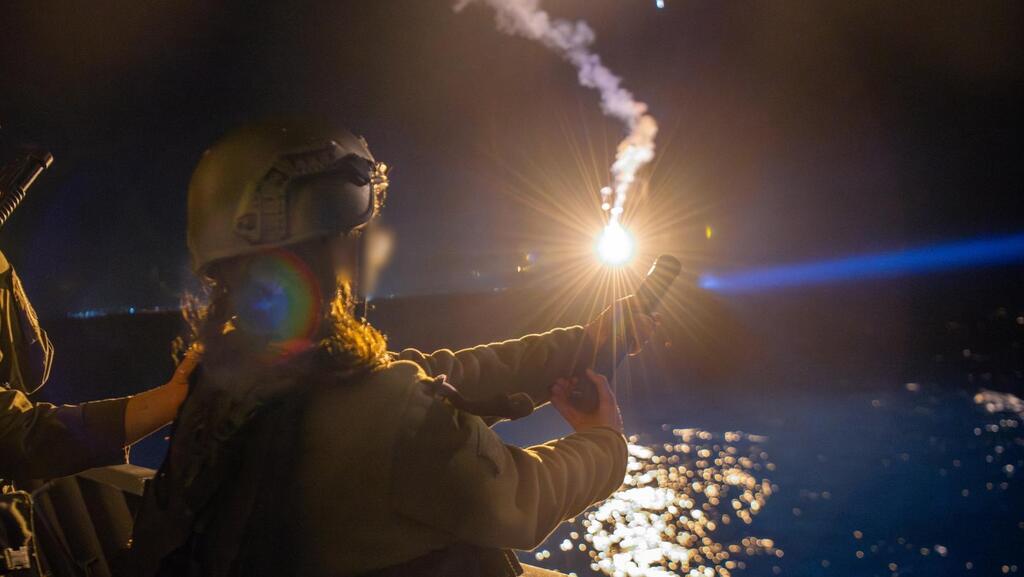
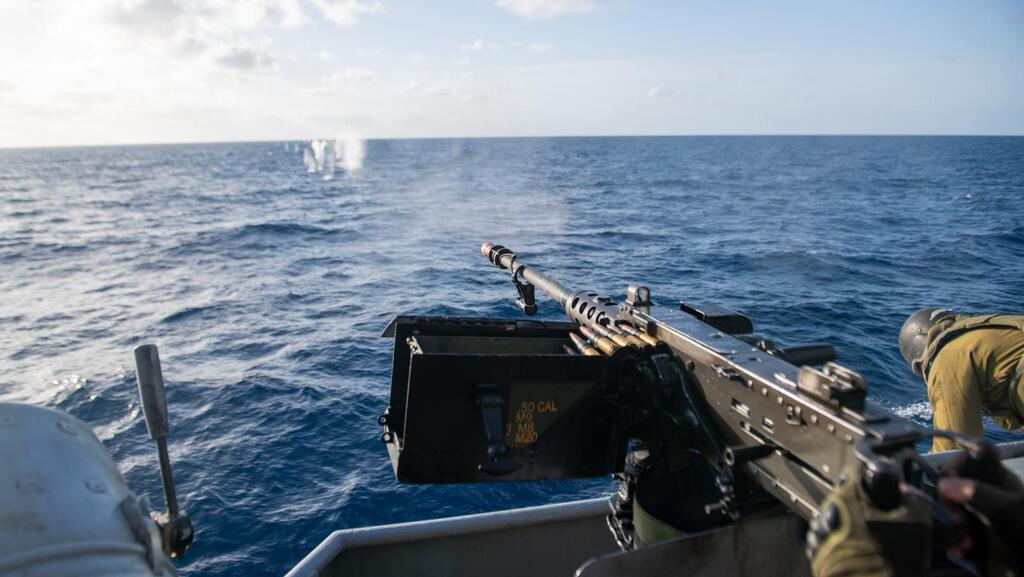
Naval exercise in the exclusive economic waters
(Photo: IDF)
The IDF said it maintains maritime intelligence capabilities and closely tracks developments in the naval arena. Navy officials cited significant intelligence coverage of waters near Israel’s borders as well as more distant areas.
They attributed some of that intelligence depth to Operation Behind the Back, in which Shayetet 13 commandos detained Hezbollah operative Imad Amhaz for questioning. The military said Amhaz played a central role in what it described as a covert maritime file. During his interrogation, he allegedly provided sensitive intelligence indicating that Hezbollah was planning maritime terror attacks disguised as civilian activity, using merchant vessels at sea against Israeli and international targets.
Security officials said a key focus of this week’s exercise was synchronizing the multiple participating forces and improving operational and intelligence precision.
Regarding Gaza, security officials said that since the start of the war, Hamas has suffered severe damage to its naval terror infrastructure, including the loss of senior operatives and facilities built over years. However, they said continued efforts are required to eliminate Hamas’ remaining maritime capabilities.