


Israeli drivers could soon receive speeding tickets for exceeding the limit by only a few kilometers per hour under a major tightening of speed-camera enforcement that has already triggered fierce legal and public criticism.
The Traffic Police decision, announced Sunday, significantly lowers enforcement thresholds at selected fixed cameras on roads deemed especially dangerous. The change coincides with a broader legal reform moving many traffic offenses from the criminal justice system into an administrative process.
Gallery
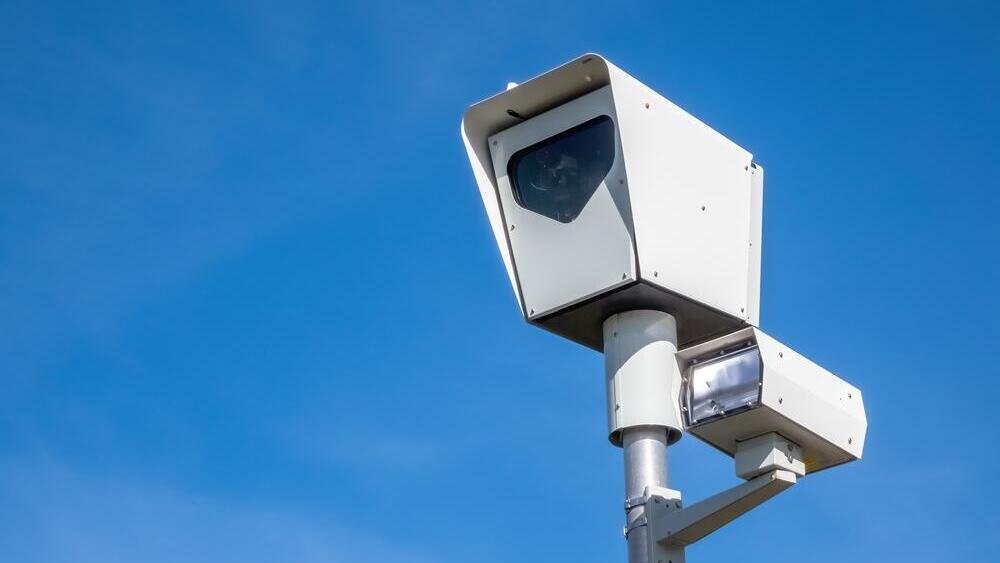
A major tightening of speed-camera enforcement has already triggered fierce legal and public criticism
(Photo: Shutterstock)
Supporters describe the move as a potentially life-saving overhaul. Critics warn that motorists are being pushed into a system that could generate large numbers of fines and license suspensions while making it harder to challenge penalties in court.
Police reject accusations that the policy is financially motivated.
“Not a single shekel from these fines goes to us. Take your foot off the gas and you won’t get tickets,” said Chief Superintendent Shimi Marciano, head of research and development in the Israel Police Traffic Division.
The new enforcement policy substantially reduces the margin above the legal speed limit before a camera is triggered.
On a road where the speed limit is 70 km/h and authorities have identified an elevated safety risk, for example, a ticket could now be issued at 75 km/h instead of 85 km/h, as was previously the case.
Police do not plan to disclose which roads will operate under the stricter thresholds.
At the same time, amendments to traffic law have reclassified a significant number of violations as “administrative violations” rather than criminal offenses. The changes affect the points system and make enforcement procedures faster and more automated.
Instead of automatically having the option of appearing before a traffic court, motorists in many cases will now have to submit written objections to a designated administrative tribunal.
The reform has already been challenged before the High Court of Justice.
Attorney Eilon Oron, author of an encyclopedia on traffic law and former chairman of the Israel Bar Association’s national traffic committee, filed a petition against the amendment and warned that it could produce widespread license suspensions.
“An unusual burden is expected in the courts because of the panic and fear that will grip drivers, who are expected to receive driving suspensions wholesale,” Oron said.
He argued that the new system weakens motorists’ ability to defend themselves.
“The cases will not reach court but rather an adjudicator who will decide without examining witnesses. The goal is to extract the maximum amount of money from every photograph, which is easy money because the tickets are sent without delay, and the police will enforce with great motivation because of the fines and revenues that will easily bring in tens of millions of shekels.
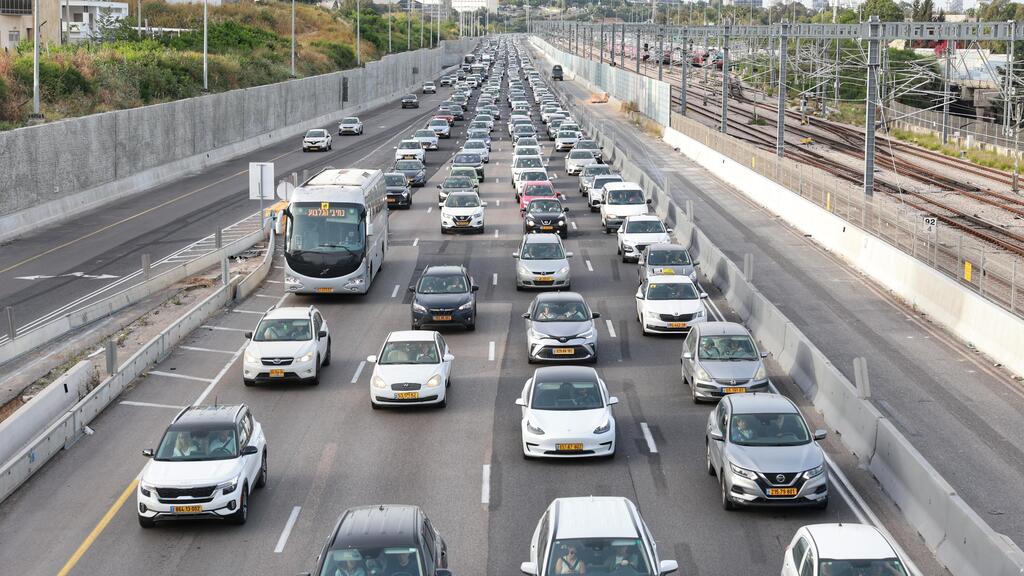
Police do not plan to disclose which roads will operate under the stricter thresholds
(Photo: Dana Kopel)
“The Administrative Traffic Violations Law is a severe blow to the right of access to the courts. Instead of an ‘offense,’ it is now called a ‘violation,’ and the right to defend oneself is taken away. This is a reform that means an industry of squeezing money, compulsory courses and license suspensions without the ability to defend oneself.”
The road-safety organization Or Yarok welcomed stronger enforcement but said the public must be properly prepared for such a significant change.
“Speed cameras have proven themselves around the world and in Israel as a factor that reduces accidents, but the measure must be accompanied by explanation and preparation,” said attorney Yaniv Yaakov, CEO of Or Yarok.
“The cameras must be placed on roads where there is a direct connection between excessive speed and accidents, and they must be visible and clearly marked. Police data show that 40% of fatal accidents in 2024 were caused by excessive speed. The more visible and marked the cameras are on dangerous roads, the more drivers will know to slow down, and the purpose of the cameras, reducing speed, will be achieved rather than turning them into a money machine.”
‘The citizen is responsible, not the police’
Police strongly rejected claims that the tougher enforcement policy was designed to increase state revenues, saying its sole purpose was to reduce road deaths and injuries.
“Drivers should not put the police in the position of being the problem,” Marciano said. “Drive according to the law and the speed limit and get home safely. Not a single shekel from these fines goes to the Israel Police. I wish we would reach only 100 tickets by the end of the year.”
He added: “The citizen is responsible, not the police. Take your foot off the gas and you won’t get tickets. My goal is that after you receive the fine, you will not make the same mistake again. A few kilometers per hour more do not kill only the driver, but other people on the road as well, and we see that in the thousands of injured.”
Marciano said the stricter thresholds were adopted amid the rise in traffic accidents and would be paired with a broader expansion of Israel’s speed-camera network.
“We moved to administrative violations and the appeal is submitted through a letter. The Israel Police decided to lower enforcement thresholds in order to combat the increase in road accidents,” he said.
“The State of Israel will increase the number of cameras to 1.1 cameras per 100,000 people in order to reduce driving speeds and cut the number of people killed and injured.”
Police say every camera-issued ticket is backed by photographic documentation.
Under the new system, some cameras will operate with much narrower margins above the speed limit, while others may allow a larger margin without triggering enforcement. The precise thresholds will vary depending on the risk assessment for the road.
The changes amount to one of the most significant shifts in Israeli traffic enforcement in years: more cameras, lower thresholds on selected roads, faster administrative procedures and less reliance on traditional courtroom hearings.
Whether drivers ultimately see the overhaul as a road-safety measure or a punitive enforcement regime may depend largely on how transparently the new system is implemented.