

Japan’s parliament made minor changes to the Imperial House Law over the weekend but retained its ban on women serving as reigning emperors, despite polls showing broad public support for the idea.
The future of the imperial house — which, according to mythology, traces its lineage to the Shinto sun goddess Amaterasu — now rests with Prince Hisahito, the 19-year-old nephew of Emperor Naruhito, 66. If Hisahito, an unmarried dragonfly enthusiast currently studying biology, does not have a son, he will have no eligible heir under the existing rules and the dynasty will come to an end.
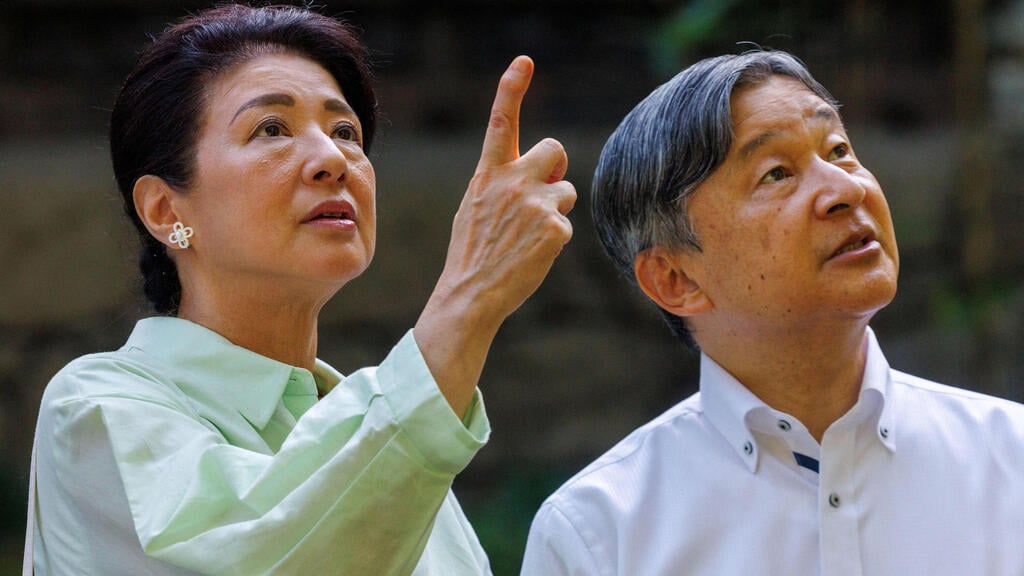

Prince Hisahito
Eight women have occupied the Chrysanthemum Throne over the course of Japanese history. The imperial family’s divine status was abolished after World War II. However, the 1889 Imperial House Law stipulated that only men could become emperor and only through the male line, meaning descent through the father. That provision was carried over into the current Imperial House Law adopted in 1947.
The rules prevent the popular Princess Aiko, Naruhito’s 24-year-old daughter, or any other woman in the imperial family from ever becoming a reigning emperor.
The bill, approved by parliament’s upper house Friday, allows unmarried male relatives over age 15 from distant branches of the imperial family to be readmitted. Their future sons would then be eligible to ascend the throne. The men belong to 11 branches removed from the imperial register after Japan’s defeat in World War II.
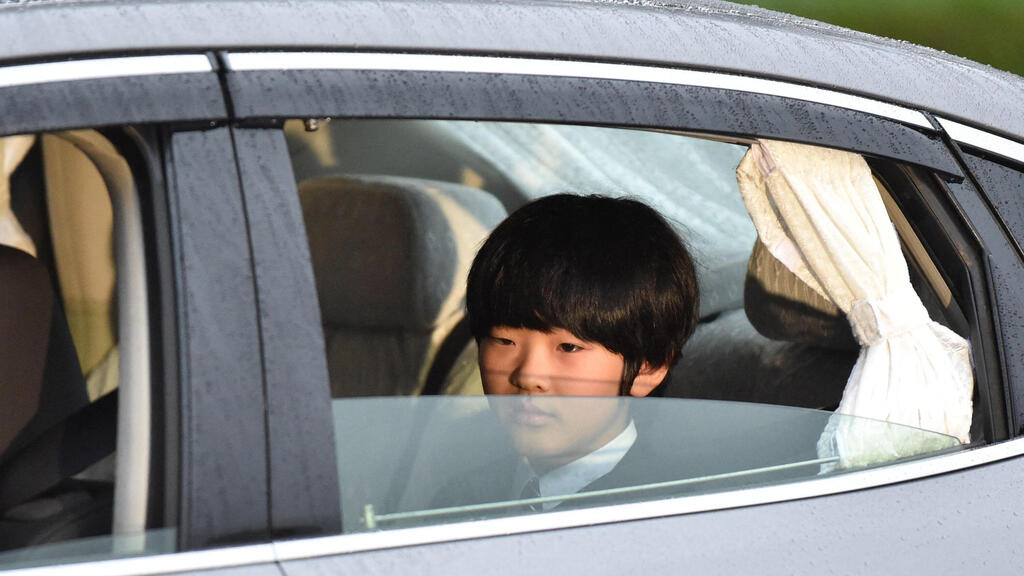
Prince Hisahito in 2019
(Photo: Kazuhiro Nogi/AFP)
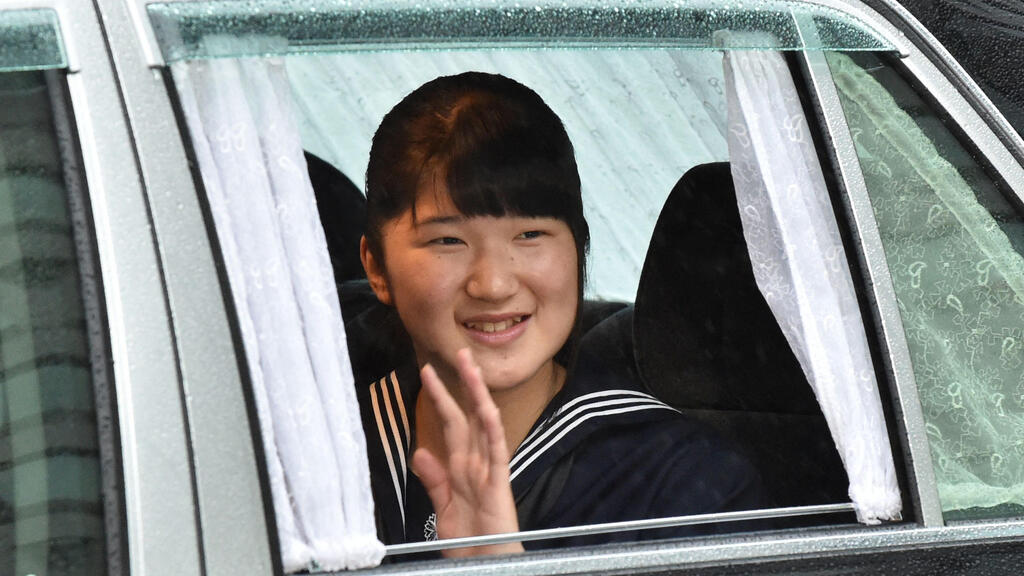
The popular Princess Aiko
(Photo: Kazuhiro Nogi/AFP)
The new rules also end the practice requiring female members of the imperial family to relinquish their royal status after marrying commoners. Their children, however, would still be barred from becoming emperors because succession remains restricted by gender.
The legislation passed after fierce disputes within the ruling Liberal Democratic Party, led by Sanae Takaichi, Japan’s first female prime minister, who opposes allowing a woman to inherit the throne.
Seiichiro Murakami, a veteran member of the conservative LDP, said after the bill passed the lower house July 10 that the move was deeply objectionable because it denied Aiko the possibility of becoming emperor.
Asahiro Kuni, 81, a member of one of the 11 former imperial branches, also said he would advise his grandchildren to reject any offer to join the royal family. Kuni told the Asahi Shimbun that by age 15, a person has already grown accustomed to living freely.
A poll conducted last month by the Mainichi Shimbun found that only 23% of respondents supported allowing the sons of readmitted imperial family members to become emperors, while 34% opposed the proposal.
By contrast, more than 70% supported allowing a woman to become emperor, while 40% backed succession through the maternal line. An Asahi Shimbun poll in May similarly found that 72% of respondents favored changing the rules to allow women to ascend the throne.
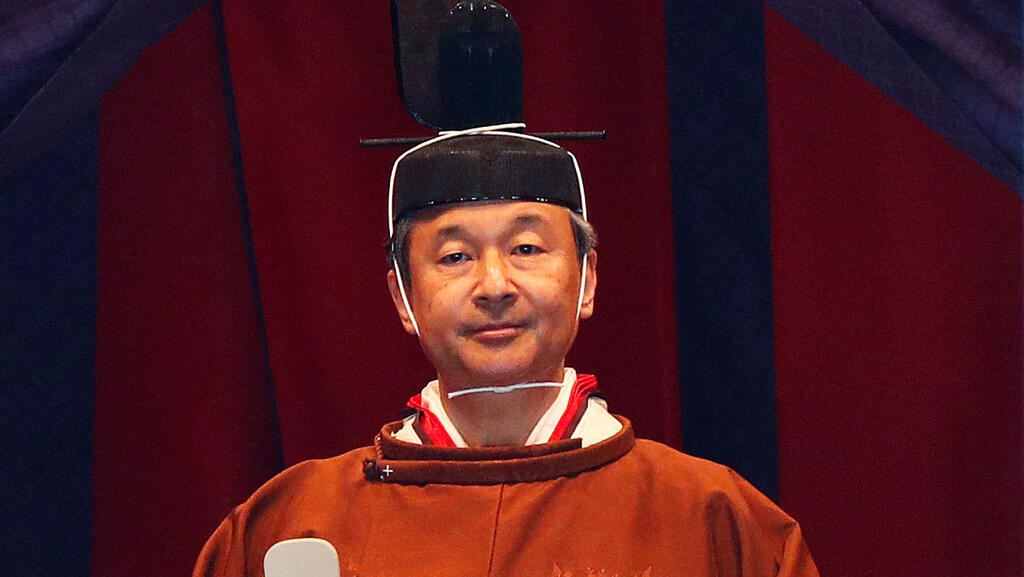
Emperor Naruhito at his enthronement ceremony
(Photo: Getty Images)
The imperial family now has 16 members, only five of them male: former Emperor Akihito, 92; his 90-year-old brother; the current emperor; the emperor’s brother; and Hisahito.
Hideya Kawanishi, a Nagoya University professor and expert on Japan’s imperial system, told AFP that the legislation did not reflect public opinion. He said conservatives in the LDP and their allies viewed preserving the male line and an exclusively male throne as their overriding goal, which was why they refused to listen to the public. He added that the amendments risked undermining support for Japan’s symbolic imperial system. Ordinary Japanese citizens have expressed similar views.
Yoshiki Yaguchi, 66, told AFP while walking in Tokyo’s Yurakucho district that lawmakers should have devoted more attention to female succession and other issues reflecting modern society.
Yumi, a 17-year-old high school student, said male chauvinism should be abolished as she left a shopping center with her friend Misa, also 17, who agreed.