

This Friday, the United States will mark 25 years since the September 11, 2001, terrorist attacks, still unable to secure full justice for the nearly 3,000 victims killed that terrible day and the additional 4,300 people who died in the years that followed, most of them rescuers and first responders who rushed to the site and developed a long list of illnesses linked to hazardous substances released into the air in the aftermath of the attacks.
Although al-Qaeda leader Osama bin Laden was killed in 2011, the trial of the man considered the mastermind behind the largest terrorist attack in history has not even begun. That is despite the fact that he has been in custody for 23 years. The U.S. failure to put Khalid Sheikh Mohammed on trial is perhaps the most symbolic example of the bitter legacy of the American response to the attacks. Years of torturing detainees and holding them at CIA “black sites” — a term for prisons outside the United States with no judicial oversight — or at the military detention facility at Guantanamo Bay continue to come back to haunt the American justice system.
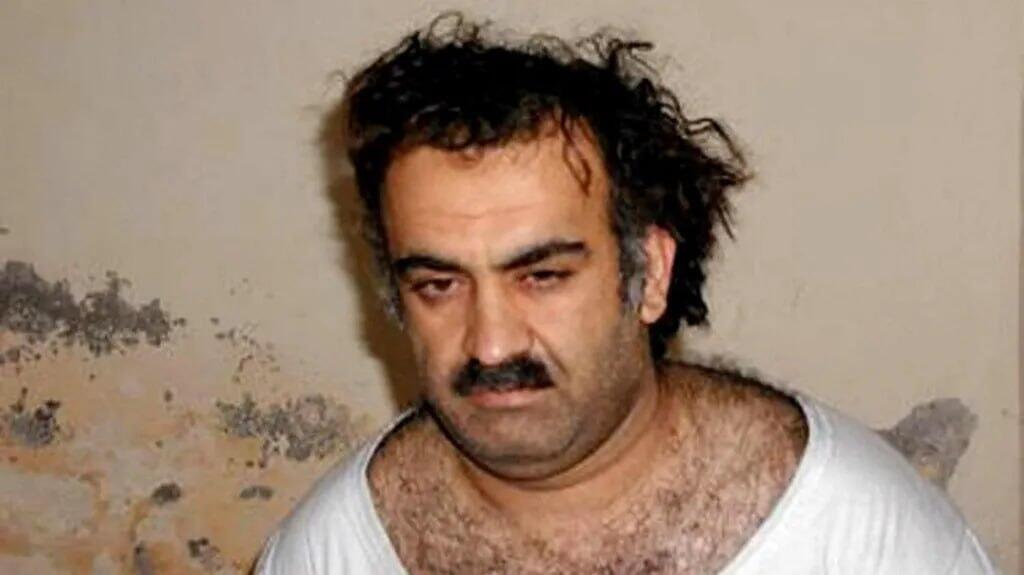
Khalid Sheikh Mohammed was 37 or 38 — depending on which of his reported birth dates is to be believed — when he was captured on March 1, 2003, in Rawalpindi, Pakistan. He was captured in a joint raid by the CIA and Pakistani security forces on a safe house where he was staying. After his capture, he was held for about three and a half years at secret CIA detention facilities around the world, where he was subjected to severe physical interrogation, before being transferred in September 2006 to the military facility at Guantanamo Bay in Cuba, which is also outside the U.S. constitutional and judicial framework.
The official indictment against him was first filed in February 2008. It charged him with thousands of offenses, including conspiring to hijack aircraft and carry out the attacks; murder in violation of the laws of war — a charge encompassing 2,977 individual counts of murder for every person killed at the World Trade Center, the Pentagon and aboard the plane that crashed in Pennsylvania; attacking civilians and civilian objects; aircraft hijacking; destruction of property in violation of the laws of war and more.
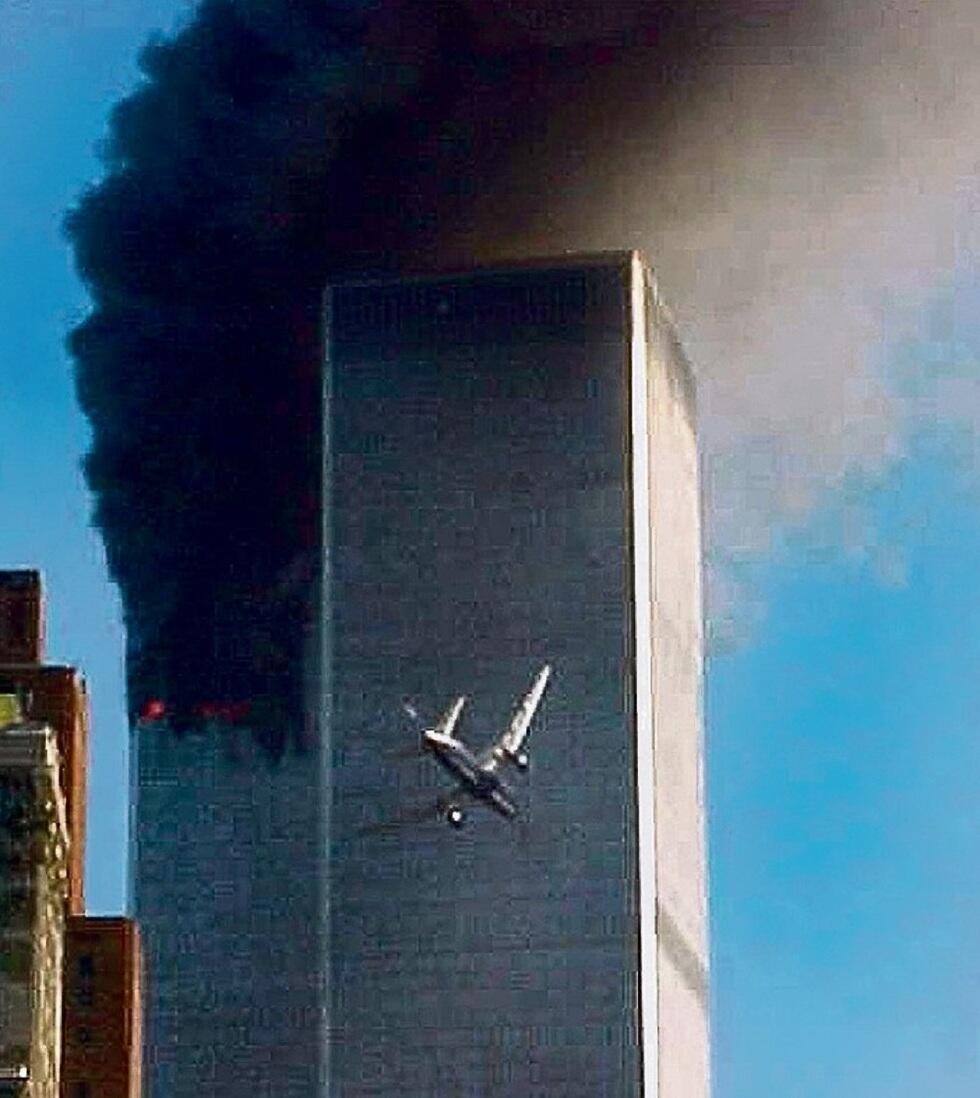
The second hijacked plane crashes into the South Tower of the World Trade Center in Manhattan on Sept. 11, 2001
(Photo: AP)
In addition, the U.S. government has accused Khalid Sheikh Mohammed of involvement in the first World Trade Center bombing in 1993, the 2002 nightclub bombing in Bali and the murder of American journalist Daniel Pearl. If convicted, he would face the death penalty.
The military prosecution based much of the indictment on several confessions by Mohammed that he had planned the attacks. But even in the initial indictment, prosecutors did not include his confessions from interrogations at CIA facilities, which involved 183 rounds of waterboarding, a technique designed to simulate drowning. Instead, they relied on his confession during interrogations at Guantanamo, where he was questioned by FBI agents.
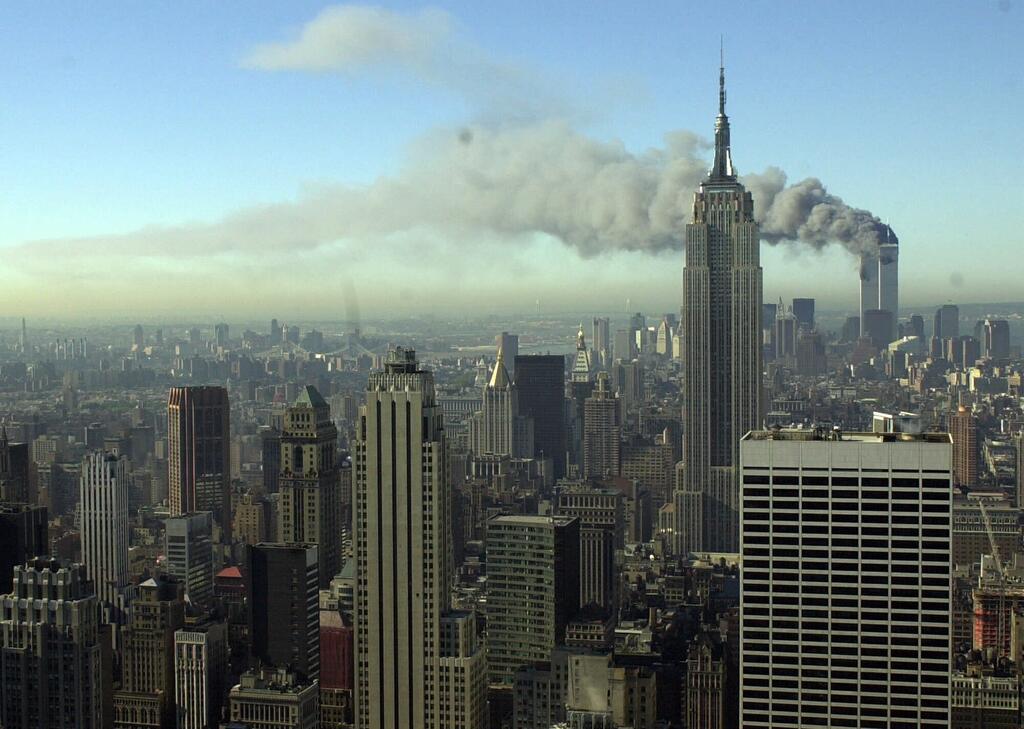
Smoke rises from the Twin Towers on the day of the attacks, shortly before both buildings collapsed
(Photo: AP)
In 2009, then-U.S. president Barack Obama’s administration announced its intention to move Mohammed’s trial to a civilian court in New York. Then-attorney general Eric Holder argued that “there is no better way” than to put Mohammed in a courtroom, where he would have to face 12 jurors and see how the strength of the U.S. legal system surpassed everything he had tried to do. The decision met fierce political and public opposition, with critics arguing that it was inappropriate to try a terrorist in a civilian court. Congress subsequently passed a special law blocking funding for the transfer of Guantanamo detainees to U.S. soil.
As a result, in 2011 the Obama administration returned the case to the military justice system at Guantanamo. The problem is that this system was built almost from scratch specifically for al-Qaeda operatives and thousands of detainees after 9/11. It has suffered from legal instability, frequent turnover among military judges and a lack of clarity. As a result, virtually every decision by military judges triggers lengthy appeals to civilian courts in the United States, repeatedly freezing the proceedings for years at a time.
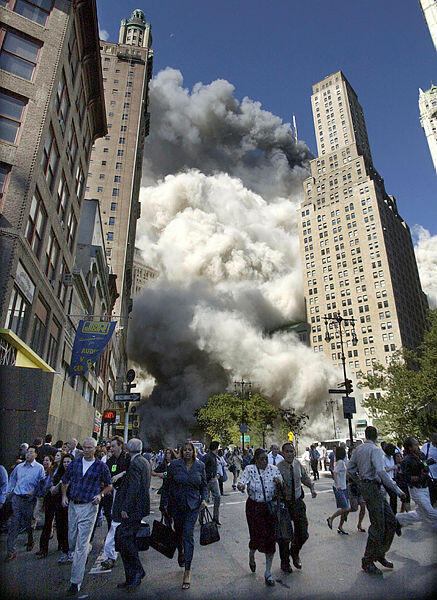
People flee a massive cloud of dust released as the Twin Towers collapse, 25 years ago this month
(Photo: AP)
In 2024, for example, Mohammed agreed to a plea deal under which he would admit to most of the charges in exchange for prosecutors dropping the death penalty. But the plea agreement was rejected by the authorities in a sprawling political and legal saga.
Twenty-three years after his capture, it turns out that even military judges are in no hurry to accept the case as it stands today. Last week, a military judge ruled that Mohammed’s confessions during FBI interrogations at Guantanamo in 2007 were also not made voluntarily, excluding what prosecutors had described as “the government’s most important evidence in the case.”
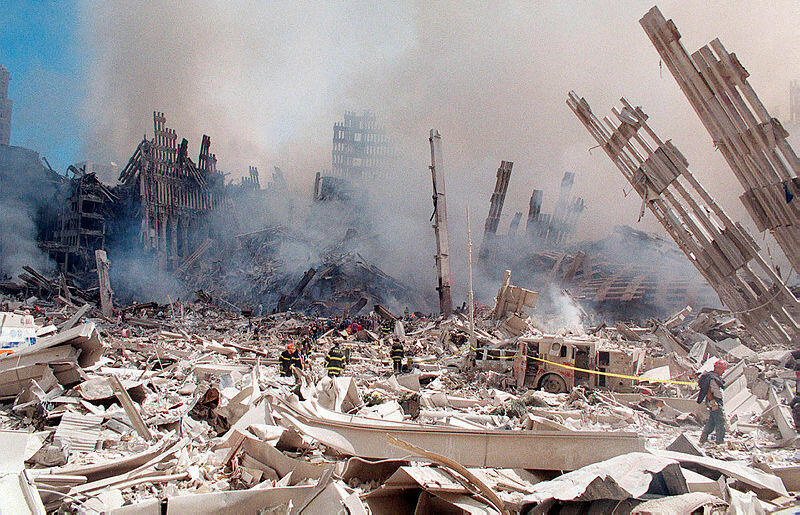
The site of the destruction in New York in the days after the disaster. Thousands were killed
(Photo: AP)
In a 45-page ruling, Judge Lt. Col. Michael Sharrma wrote that “the prosecution failed to prove, by a preponderance of the evidence, that Mr. Mohammed’s statements to the FBI were voluntary.” Sharrma also found that FBI agents deliberately failed to explicitly tell Mohammed that he had the right to remain silent and consult with an attorney and that anything he said could be used against him at trial, as required under U.S. law.
Because the Guantanamo detention facility was established from the outset in part to avoid the need to uphold detainees’ rights, the decision by a military judge in 2026 represents a major blow to the prosecution. It is also a significant indictment of the administration of President George W. Bush and the measures taken in the aftermath of 9/11.
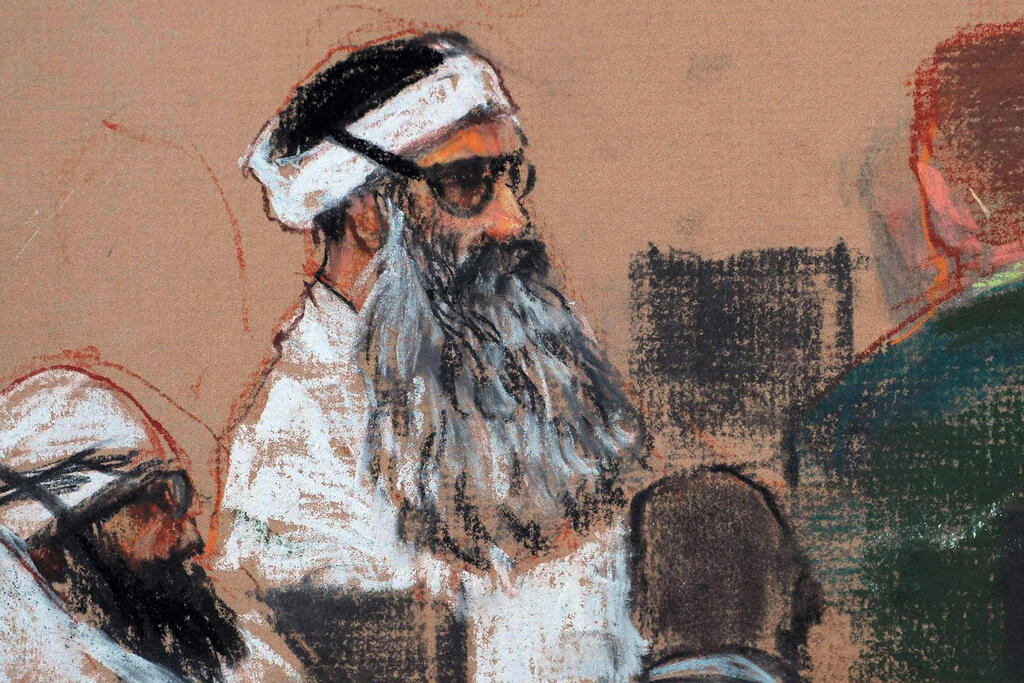
An illustration depicting Khalid Sheikh Mohammed during a hearing at Guantanamo Bay in 2008
(Photo: AP Photo/Janet Hamlin, Pool, File)
Defense lawyers argued that Mohammed had “essentially been trained by the CIA through torture, along with years of isolation and solitary confinement, to later tell FBI agents what they wanted to hear.”
Meanwhile, Lt. Col. Sharrma has set a trial date for June 5, 2028. If prosecutors decide to appeal his decision to exclude Mohammed’s confession, it is reasonable to assume that date will be pushed back again.
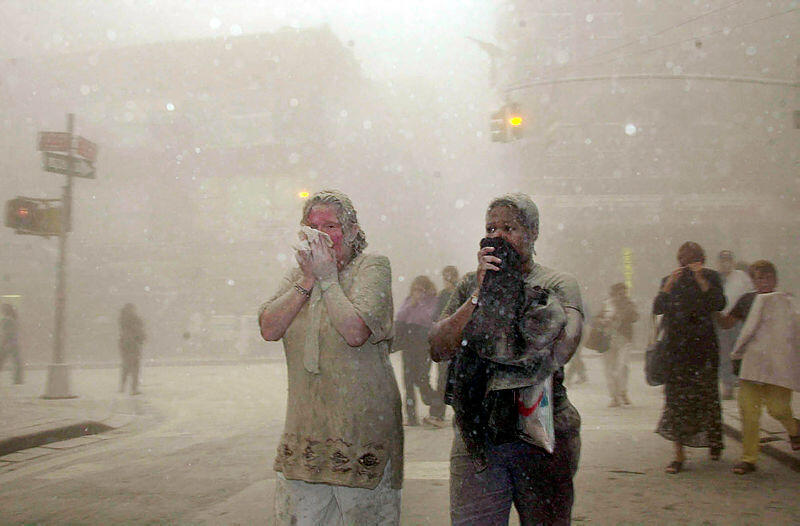
Thousands died from illnesses they developed after inhaling toxic substances released into the air. New York, Sept. 11, 2001
(Photo: AP)
For now, Mohammed is already 60 or 61 and suffers from a number of health problems. Who knows when — or whether — he will ever stand trial.
And so, as the United States and the world mark 25 years since the attack that changed them forever, survivors are aging and victims’ families fear they may never see the end of the case.