

Brazilian content creator Tabata Lenk had just lost her job in São Paulo and was sitting in traffic when two assailants on a motorcycle smashed her car window and snatched her new cellphone from the dashboard. Footage of the robbery, which took place in late August and was captured by her dashboard camera, quickly went viral.
The reactions underscored how an urban nuisance has become one of the defining issues in this year's presidential election, which culminates in a runoff Sunday. Although cellphone thefts in Brazil have been declining since 2023, approximately 830,000 cases were still reported last year, according to the Brazilian Forum on Public Safety.
He gets off the motorcycle, smashes the window and flees with the phone: The robbery targeting Tabata Lenk


While Brazil's homicide rate has fallen 40% over the past decade, reaching 15.4 per 100,000 people in 2025, cellphone thefts remain a reminder of how far the country still has to go to make its more than 210 million residents feel safe. A survey conducted in March found that cellphone theft ranked as Brazilians' fourth-biggest public safety concern, ahead of stray gunfire and home burglaries.
President Luiz Inácio Lula da Silva and his right-wing rival, Flávio Bolsonaro, who will face off in a closely contested presidential runoff Sunday, are both seeking to demonstrate a tough stance against cellphone thieves. Earlier this year, incumbent President Lula signed a law increasing penalties for the theft of electronic devices to up to 10 years in prison and launched a platform for registering devices and reporting thefts. Bolsonaro, meanwhile, is proposing a minimum sentence of eight years in prison for any cellphone theft.
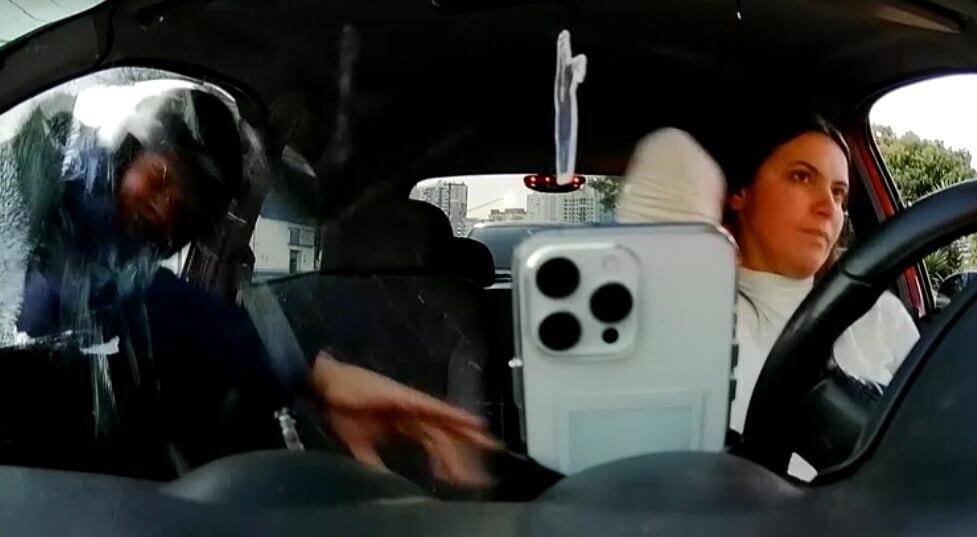
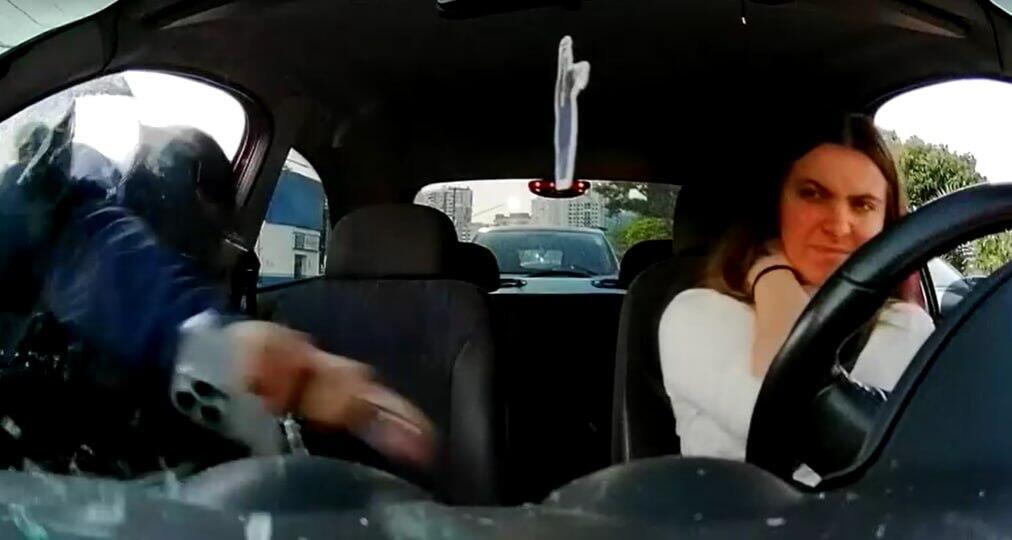
Lenk says the robbery left her feeling so unsafe that she did not resume driving alone until she had her car windows tinted. "No one should be afraid to leave their house, walk in the street, or use their own cellphone," she says. "So, I believe choosing politicians committed to public safety is essential."
Brazil is one of the world's most digitally connected countries, with social media and digital payments playing a central role in daily life. In this environment, cellphones have become virtually indispensable. Natasha Bachini, a researcher at the University of São Paulo's Center for the Study of Violence, says the prevalence of cellphone theft helps explain its political impact.
"It's far more common for someone to know of, or have been exposed to, a case of cellphone theft than a car theft, a homicide, or a kidnapping," she says.
Cellphones are expensive in Brazil, and replacing a stolen device can be a major financial burden. A Deutsche Bank study found that tariffs, taxes and the weakness of the local currency make Brazil the world's second-most expensive country in which to buy an iPhone 17 Pro. A new device costs about $2,260, compared with $1,181 in the United States.
Even more modest devices represent a major expense for many Brazilians. The average price of a cellphone in 2025 was approximately 2,310 reais ($456.83), equivalent to about two-thirds of the country's average monthly income.
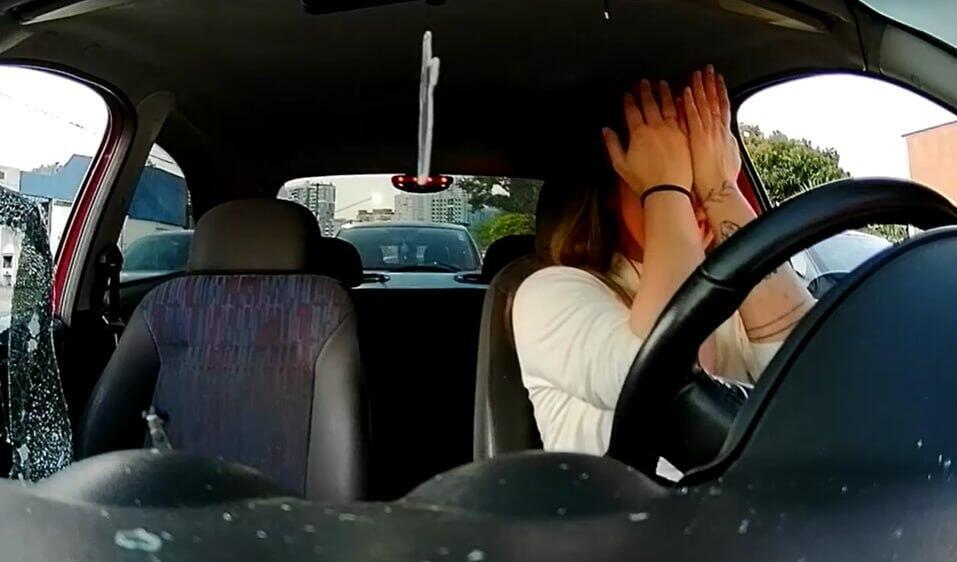
Lenk's shock and tears moments after the robbery. She did not return to driving alone until she had her car windows tinted
Thieves are often just as interested in gaining access to victims' online bank accounts as they are in the devices themselves. With the rapid expansion of digital financial services in Brazil, led by the central bank's Pix payment system, fraud cases involving stolen devices more than quadrupled between 2024 and 2025.
Lenk experienced this firsthand. After stealing her phone, the criminals withdrew 2,000 reais from her bank account using Pix.
"It's terrible to experience the violence of having your cellphone stolen, but realizing that someone invaded your privacy and managed to steal money from your account is downright agonizing," she says.
As Brazil's most populous state, São Paulo accounts for nearly one-third of all cellphone thefts nationwide, with 268,184 devices stolen there last year. Only a small fraction of stolen phones are eventually returned to their rightful owners.
Between June 2025 and September 23, 2026, São Paulo state police located 38,028 cellphones and returned 11,445 devices to theft victims.
One of the lucky ones was 17-year-old student Natalia Eduarda Benvindo, who could hardly believe it when police recovered her stolen phone.
"I asked, 'are you joking?'" Benevindo recalls. "I couldn't even believe it at the time, wow! I was really happy."
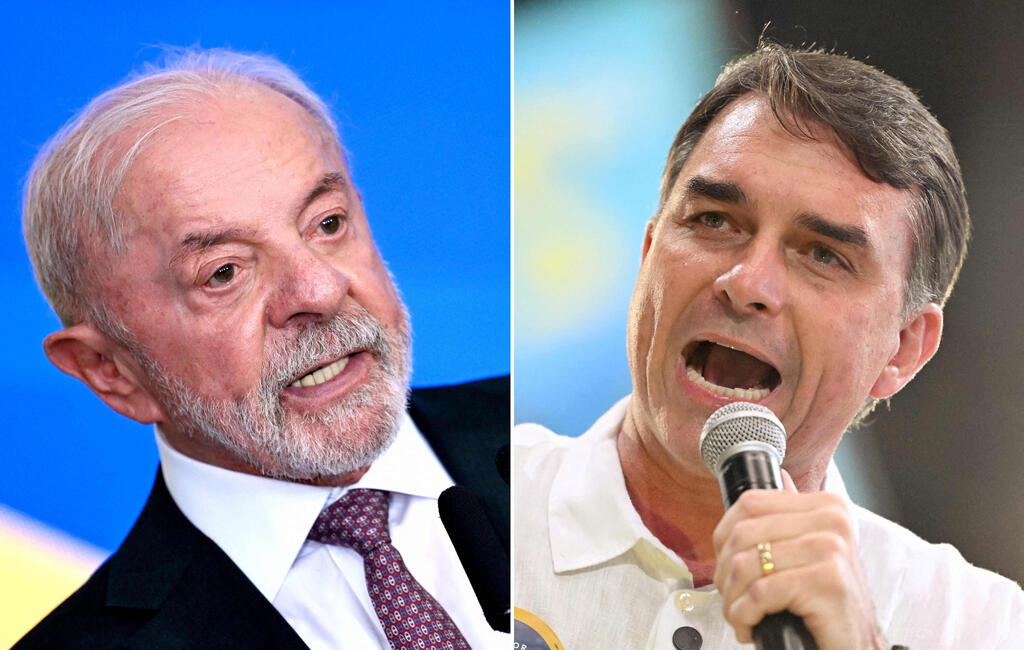
Lula and Bolsonaro. Just fractions of a percentage point separate them in the polls
(Photo: Evaristo SA and Mauro PIMENTEL / AFP)
Her experience, however, is rare. Whichever candidate, Lula or Bolsonaro, can convince voters that he will keep their phones safe from now on could pick up a handful of crucial votes.
In a race in which polls show Bolsonaro leading Lula by just a few tenths of a percentage point, those votes could make all the difference.