


Roughly 20,000 students who returned to their homes in communities along Israel’s northern border after an extended evacuation are encountering a school system struggling with enormous academic, emotional and social gaps, along with a severe staff shortage. On the ground, educators and parents describe deep frustration over the gap between government promises and the daily reality in classrooms, as well as levels of violence the region’s schools have never experienced.
For now, residents are being told to wait until the end of the month, when a festive “launch conference” attended by Education Minister Yoav Kisch is expected to outline how much support schools will actually receive.
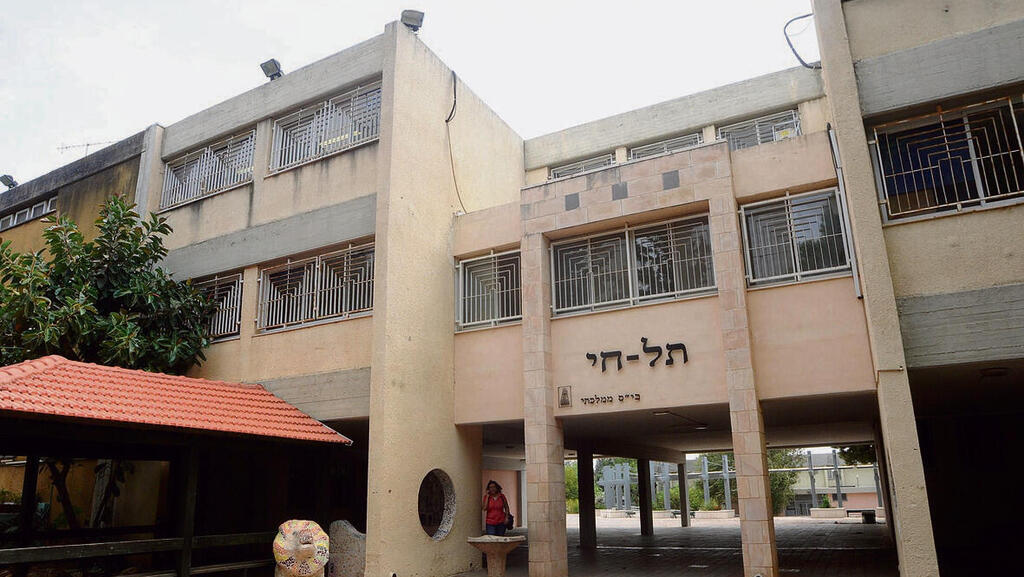
The town of Shlomi in the western Galilee has been held up by the government as a symbol of the “victory picture.” All of its residents have returned, and on the surface life appears to have resumed in the community of 9,000, which was evacuated for more than a year and a half.
Yet teachers say the reality inside schools tells a starkly different story. “No one came back at one hundred percent,” said a teacher at a local school, describing multiple open positions and empty hours with no staff to fill them. Some classes are sent home early because no teacher is available.
“The children have gone back years in their learning,” she added. “They have no study habits, and there is significant violence that reflects their distress. This is a major event. What we are seeing is only the tip of the iceberg.” Another teacher said retired educators now volunteer because the support staff that assisted during evacuation disappeared once residents returned—“because the war is over.”
The frustration among students, parents and teachers stands in sharp contrast to the sweeping plans presented to the government. In September, ministers approved a five-year, 1.4 billion-shekel funding package meant to transform northern education into an engine of growth. The plan includes a flexible “Tnufa basket” worth hundreds of millions for municipalities and schools, aimed at adding teaching hours, reducing class sizes, providing emotional therapy, strengthening science education and promoting excellence.
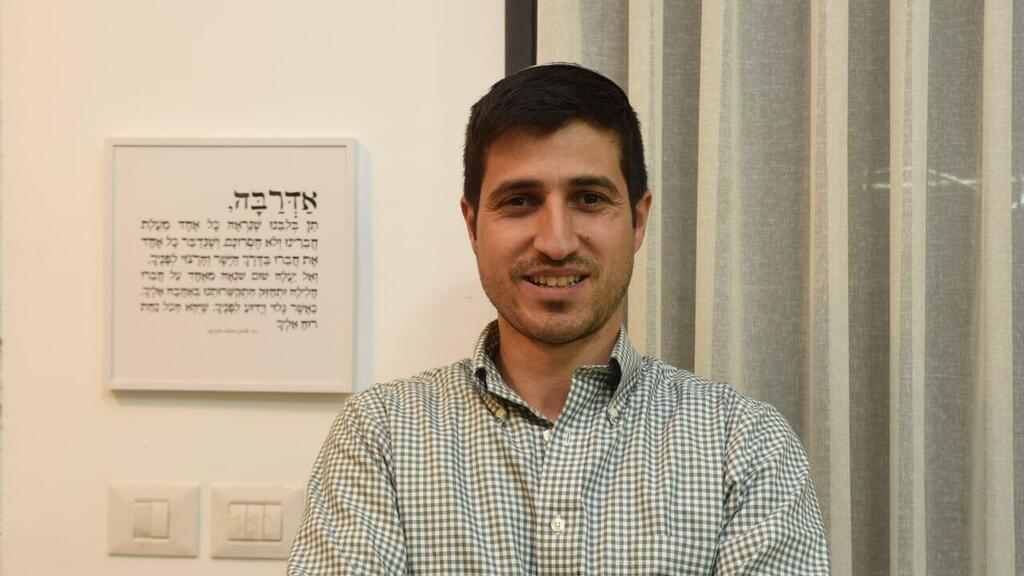
Kiryat Shmona Deputy Mayor and Education Commissioner Refael Salab
(Photo: Avihu Shapira)
Another 100 million shekels were earmarked to bolster human capital and attract quality teachers to the north through incentives. School leaders say the money has not arrived, and even if it does, it is unclear where they will find the staff needed to revive the system.
In Kiryat Shmona, Deputy Mayor and Education Commissioner Refael Salab said the city faces an unprecedented educational challenge. “There is no teacher in Israel, and maybe in the world, who faces students with academic, social, pedagogical and emotional gaps this wide,” he said.
“Even our best teachers are collapsing under this challenge. We were promised support for every student, but in reality we cannot provide it. Principals have to beg for funding.”
Salab, a father of five in the system, said delays in transferring the budget have caused immense frustration. “We are told the money will come, but how does no one understand that it is too little and too late? It feels like we are in an intensive care unit in critical condition, pleading for attention, while all the doctors argue outside the room. The system is drowning in unnecessary bureaucracy and political interests.”
He said the gaps within individual classrooms are staggering. “In a fourth-grade class of 25 to 30 students, some can read and some cannot read at all,” he said. “A child who studied during the evacuation is sitting next to a child who is only now learning letters, and one teacher is expected to support both.”

Golan Bukhris
(Photo: Avihu Shapira)
Family and community frameworks have also weakened, he noted. “We’re talking about children whose parents divorced, parents who cannot find work or who have lost parental authority. We need more staff, but there is no real mechanism to bring teachers here. Why do Sderot and Gaza border communities get daycare subsidies that attract young families, and we do not?”
Salab emphasized that residents are not looking for pity. “We are not whining and we are not asking to be treated as victims, but nothing here is functioning. We need the Education Ministry, and other ministries too, to work seriously and without petty politics. A decisive victory is not only a military victory. We need a civilian victory.”
Golan Bukhris, head of the city’s parents association, said schools that were evacuated were promised an additional “Gafan Tnufa” budget for social workers, therapy and other services. “This money has not been transferred. The Education Ministry promised it would arrive by the end of the month. It is a disgrace,” he said.
“Two and a half months have passed since the school year began, and schools have not been able to make even minimal progress or provide support for the children. The atmosphere in the city is one of despair. Someone must coordinate this event, or we are heading toward the abyss.”
Asaf Lengelban, head of the Upper Galilee Regional Council, said kibbutzim in the area face the same challenges. “It is no secret that the 1.4 billion-shekel government decision for education funding has not been released,” he said. He added that construction budgets from last year, which the council paid upfront, have also not been returned. “We began the year without the funding, and now we are told we will receive it by the end of the month.”
The Education Ministry said all processes are proceeding “by the book,” and that once allocation committees and budget procedures are complete, the promised support will reach schools.
Dr. Orna Simchon, head of the ministry’s northern district, told Ynet and Yedioth Ahronoth that “the government funding for municipalities and schools will be transferred exactly as planned and according to the rules. We have a detailed Gantt chart, and everything will run like clockwork.”
She said the government decision should have passed in April so that funds could be allocated in September, but it was approved only during Sukkot. “No government office works as quickly as we do to finalize and approve these budgets with all relevant bodies,” she said.