


Prime Minister Benjamin Netanyahu is preparing a massive social media blitz, Gadi Eisenkot is pushing for a decisive victory over Likud, and Naftali Bennett is racing between cities and WhatsApp conversations in a final effort to win over undecided voters. Across Israel, political parties are entering the final 24 hours of an election campaign that could determine the country's direction for years to come.
Polling stations will open at 7 a.m. Tuesday, October 27, and party leaders are sharpening their messages, mobilizing volunteers and preparing extensive operations to bring supporters to the polls. From parties competing to lead the next government to smaller factions hovering around the electoral threshold, each has its own strategy for the final stretch.
Here is how Israel's major parties and their leaders are planning to spend the hours before voting begins and Election Day itself.
Yashar!: Eisenkot seeks a decisive lead over Likud
Former IDF chief of staff Gadi Eisenkot has made finishing as Israel's largest party the central objective of his final campaign push. The leader of Yashar! believes a clear lead over Netanyahu's Likud would strengthen his chances of securing enough recommendations from newly elected lawmakers to be tasked with forming the next government.
"Netanyahu wants a tie, but Israel needs a knockout," Eisenkot said. "Why does Yashar! have to be Israel's largest party? The race is close. The election is between Netanyahu and Eisenkot. Netanyahu is aiming for a tie, a deadlock and another election."
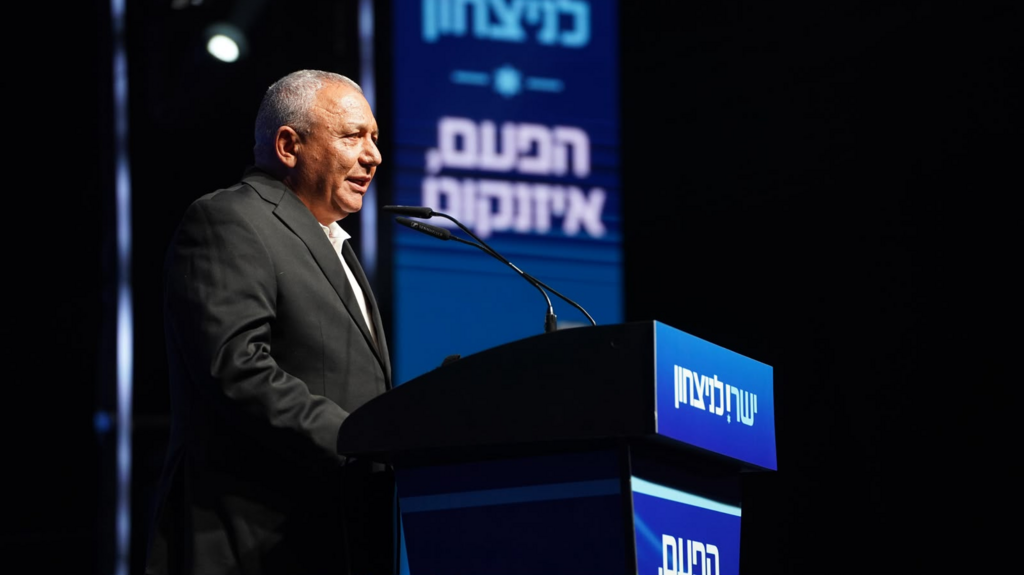
Eisenkot argued that the leader of the largest party receives the mandate to form a government in 90% of cases, warning that unless Yashar! finishes significantly ahead of Likud, Netanyahu could be given the first opportunity to assemble a coalition.
"Change is in danger," Eisenkot said. "We cannot gamble with the country. We need a decisive victory."
He presented Yashar! as a party capable of bringing together Israelis from across the political spectrum and promised a stable four-year government without a rotating premiership or what he described as political extortion. He said all parties seeking political change would be included.
Eisenkot has also intensified his personal confrontation with Netanyahu, framing the vote as a direct choice between the two leaders.
"It's either Netanyahu or me," he said.
Yashar!'s campaign advertising accuses Netanyahu of maintaining a coalition that enables exemptions from military service for ultra-Orthodox men, funding educational institutions that do not teach core subjects and providing financial benefits to people who do not serve, at the expense of those who work and serve in the military.
Eisenkot is promoting an alternative platform centered on broader military service, compulsory core education, a balanced free-market economy, employment incentives and reduced benefits for those who avoid service.
On Sunday night, thousands of supporters attended a major Yashar! election rally at Hangar 11 in Tel Aviv Port. Eisenkot again stressed that his party needed to finish well ahead of Likud.
Addressing Likud supporters and voters who had backed Netanyahu's coalition, he said he understood how difficult it could be to change political allegiance but argued that Likud itself had departed from its traditional path.
"Deep down, you know Israel cannot go on like this," he said. "Israel needs change. Look me in the eye. You can trust me."
Likud: Netanyahu prepares a digital blitz and an urgent final message
Netanyahu's final-day campaign will concentrate heavily on delivering messages directly to potential voters through their mobile phones and social media accounts.
Likud is preparing to shift from its regular campaign activity into a more urgent operation, a strategy the party has frequently employed in the final hours before polls close.
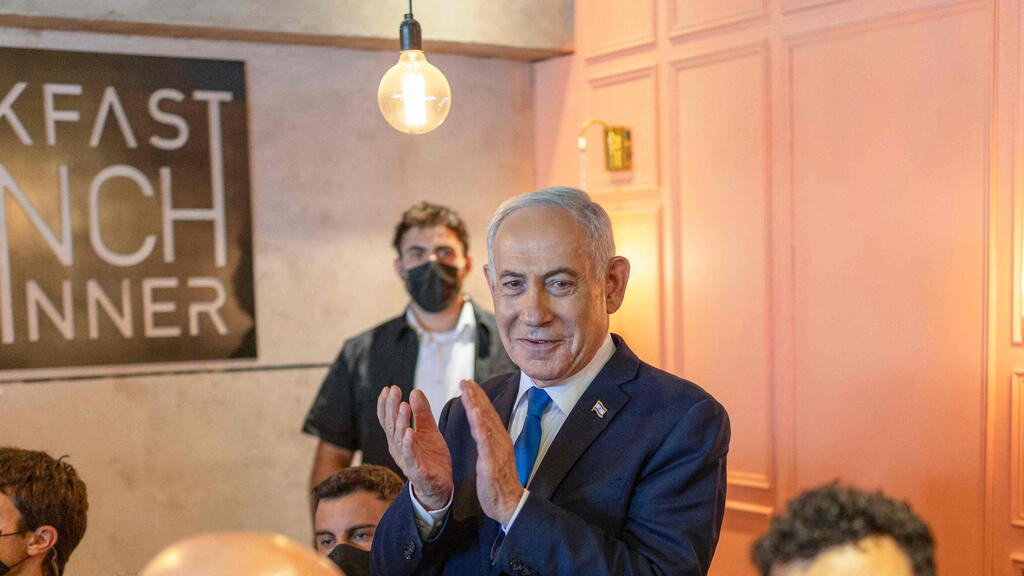
Prime Minister Benjamin Netanyahu at a campaign event in Dimona
(Photo: Ilia Yefimovich/AFP)
In recent days, Netanyahu has intensified warnings that a Palestinian state could be established if Likud does not form the next government. His official social media accounts have also published an alarming image depicting an atomic bomb striking Tel Aviv.
The prime minister's final day before voting includes diplomatic and security engagements at his office, alongside interviews with media outlets regarded as sympathetic to him.
But the central campaign effort will take place online. Likud plans to distribute hundreds of videos to supporters identified and targeted throughout the campaign, including footage featuring Netanyahu himself and other material in which he does not appear.
A substantial portion of the party's campaign budget has been reserved for the final stretch. Likud officials believe that, alongside the party's voter-mobilization operation, social media will be the decisive arena until polling stations close.
On Election Day, Netanyahu is expected to vote in Jerusalem before visiting major cities. Toward the evening, he plans to call mayors, local campaign headquarters and party branches to encourage efforts to bring supporters to polling stations.
Likud strategists consider turnout in traditional party strongholds especially important. They are not expecting large numbers of voters to switch political camps at the last minute, making the mobilization of existing supporters and the prevention of complacency central priorities.
Together: Bennett courts undecided voters in person and online
Former prime minister Naftali Bennett is continuing his intensive campaign of public appearances and personal conversations until the last possible moment.
Bennett, who leads the Together alliance, known in Hebrew as Beyachad, has been visiting city centers and residential neighborhoods, organizing informal public discussions he calls "parliaments." The meetings are livestreamed on social media, allowing viewers to follow the debates and discussions.
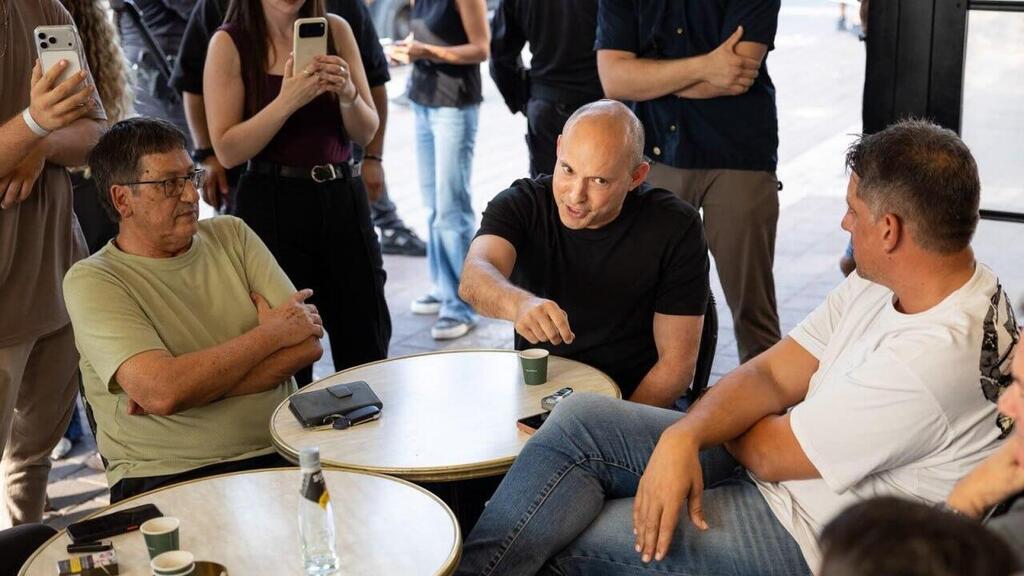
Naftali Bennett at one of his public discussion sessions
(Photo: Itay Shaked)
Between appearances, Bennett has been joining family and friends' WhatsApp groups to speak directly with potential supporters and encourage them to participate in the election.
On Sunday, he visited a neighborhood in Rishon Lezion, where he held a discussion with undecided voters and attempted to persuade them to withdraw their support from Netanyahu.
Bennett has also been reinforcing his pledge that he will not cooperate with Netanyahu under any circumstances, insisting that the prime minister must leave office.
His Monday schedule begins with a workout alongside young people in Tel Aviv, followed by a visit to Beersheba, a city identified by his campaign as having roughly 40% support for Likud.
There, he plans to hold a large public discussion and meet students from Ben-Gurion University of the Negev. He will then travel to Herzliya for a discussion with women before visiting the Western Wall in Jerusalem in the evening.
On Tuesday, Bennett is expected to vote early near his home in Ra'anana before beginning a prearranged tour of major cities.
Hundreds of Israelis have recently received personalized recorded messages from Bennett. People close to him say that even during his limited free time, while traveling or late at night, he continues recording messages and speaking directly with undecided voters.
The Democrats: Golan targets Netanyahu over cryptocurrency and the economy
Yair Golan's Democrats are combining a large-scale ground operation with a final round of political messaging.
Thousands of volunteers are expected to operate across Israel, emphasizing the party's pledge not to join a Netanyahu government and its claim that none of its lawmakers will defect to Netanyahu's political camp.
"Only we can be trusted" is the party's central message to voters seeking to replace the current government.
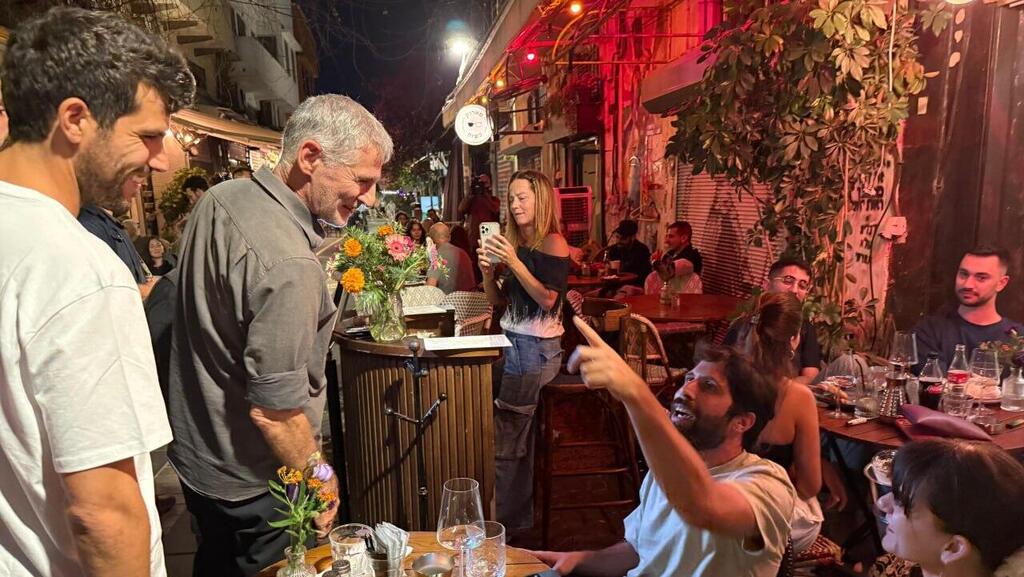
Yair Golan tours the flea market in Jaffa
The final campaign is built around the slogan "From despair to hope," with Golan expected to repeat the choice he says faces the country: "An underdeveloped Bibistan or a strong, democratic Israel."
Golan is also seeking to capitalize on a controversy surrounding Netanyahu's comments about cryptocurrency, using the issue to attack the prime minister's economic record.
New billboards ask: "What's happened, Bibi? Did Qatar start paying in crypto?" The slogan is a campaign attack, rather than an established claim about payments.
The Democrats are also highlighting Israel's deteriorating international standing and promising to repair relations with other countries, restore foreign investment and pursue normalization with Saudi Arabia.
Their campaign platform calls for shifting government spending away from West Bank settlements toward development in northern and southern Israel, combating violence by Jewish extremists, evacuating unauthorized outposts and investing in education, vocational training and the technology sector.
According to the party, it has held 1,300 campaign events, while 1,500 volunteer phone operators have made approximately 40,000 calls to voters.
The Democrats say they are also preparing for possible disinformation campaigns and have expressed concerns about potential voting irregularities, violence and provocations, including accusations directed at figures associated with the government and Ben-Gvir. Those concerns and accusations are the party's claims.
Joint List: Personal outreach in Arab communities and beyond
The Arab-led Joint List is focusing its final campaign efforts on direct contact with voters through neighborhood meetings, house gatherings and conversations with residents.
Candidates are visiting communities across the Galilee, the Triangle region in central Israel and the Negev, seeking to persuade undecided voters and encourage those who have shown little interest in the election to participate.
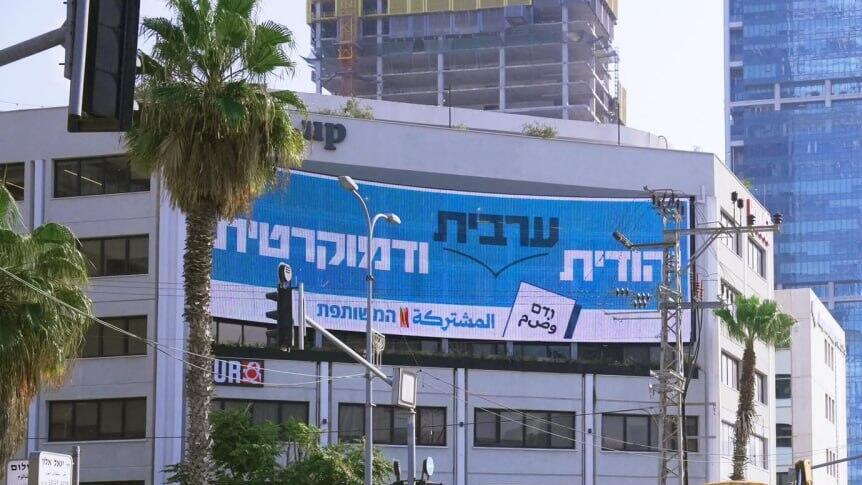
‘Jewish, Arab and democratic’: A Joint List election billboard in Tel Aviv
(Photo: Joint List spokesperson)
At the same time, the Joint List is continuing to reach out to Jewish voters. Billboards in Tel Aviv and central Israel feature the message "Arab, Jewish and democratic," promoting Jewish-Arab partnership and equality.
The party hopes the campaign will broaden its support beyond its traditional electorate and strengthen its position in the next Knesset.
A large election rally was also held in Iksal in northern Israel in support of Joint List candidate and lawyer Ahmad Darawshe.
In the final hours, the party's emphasis will remain on personal conversations and converting public expressions of support into actual votes.
Otzma Yehudit: Ben-Gvir competes with his right-wing allies
National Security Minister Itamar Ben-Gvir is dedicating his final campaign day to visits across southern Israel and cities outside the country's main metropolitan centers.
The leader of the far-right Otzma Yehudit party plans to meet residents and broadcast live appearances on social media, promoting the message that "Israel needs a strong Ben-Gvir, and Bibi needs a strong Ben-Gvir."
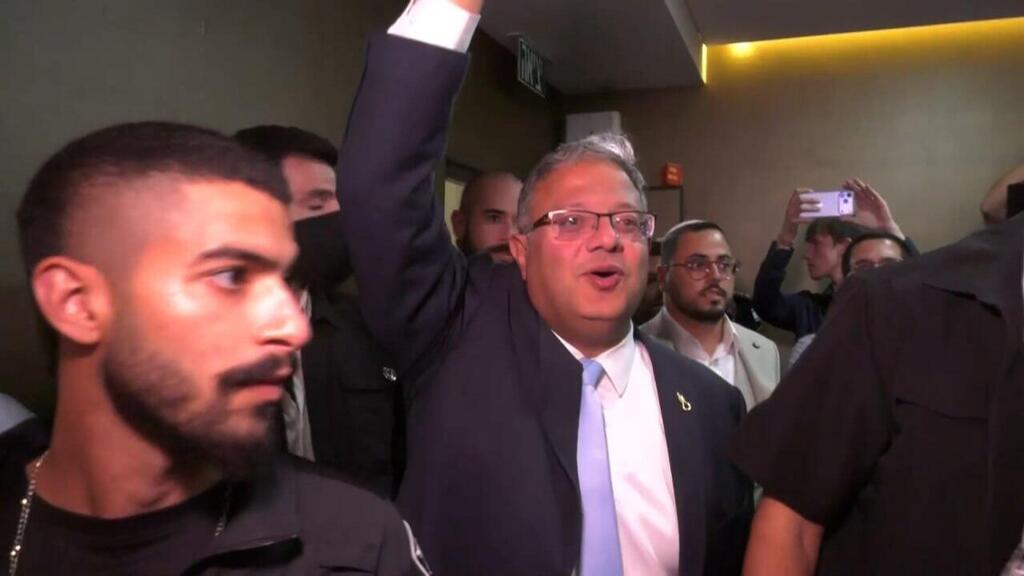
Itamar Ben-Gvir at an election rally in Netanya
(Photo: Miki Schmidt)
Ben-Gvir's campaign argues that without a powerful Otzma Yehudit faction, Netanyahu could eventually form a government with Eisenkot. Netanyahu has rejected that suggestion and said Ben-Gvir would serve as a senior minister in his next government, but Otzma Yehudit is continuing to promote the claim.
Ben-Gvir is also targeting voters who might otherwise support the Religious Zionist Party, led by Bezalel Smotrich.
He argues that voting for Religious Zionism will not help bring Moshe Feiglin into the Knesset, because Feiglin's place is already secure, but will instead help elect additional candidates associated with Smotrich.
On Election Day, Ben-Gvir is expected to vote in the West Bank settlement of Kiryat Arba before beginning an extensive tour that includes Jerusalem, Netanya, Petah Tikva, Ashdod, Ashkelon, Sderot, Beersheba, Netivot, Ofakim, Modi'in and Bat Yam.
Much of that route overlaps with areas where Religious Zionism is concentrating its own campaign efforts.
The difference is organizational. Likud and Smotrich's party are operating a joint voter-mobilization headquarters, while Ben-Gvir is running an independent operation focused on increasing Otzma Yehudit's representation rather than necessarily expanding the entire right-wing bloc.
Otzma Yehudit officials say they were never invited to participate in the joint operation.
The result is an increasingly direct competition between two parties that would ordinarily be considered natural coalition partners, with Ben-Gvir presenting himself as a guarantee that Netanyahu will not form a more centrist government.
Yisrael Beytenu: Liberman calls for the end of Netanyahu's era
Avigdor Liberman is entering the final 24 hours with a central campaign message: "The end of the Netanyahu era and ultra-Orthodox rule."
His Yisrael Beytenu party is also stressing Liberman's political experience and presenting him as a leader who will not reverse his commitments after the election.
The campaign portrays him as someone whose word can be trusted, contrasting that image with its criticism of other political leaders.
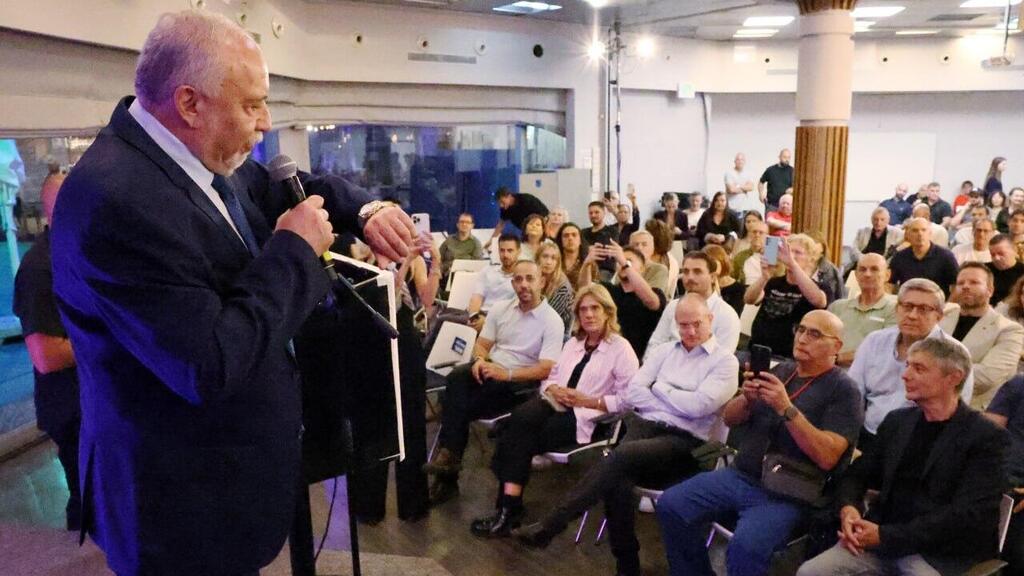
Avigdor Liberman meets campaign activists in Tel Aviv
(Photo: Shaul Golan)
Yisrael Beytenu's immediate goal is to increase turnout in liberal and secular areas, particularly major cities where supporters of parties seeking to replace Netanyahu have a significant presence.
Party officials say the remaining hours should be devoted to personal phone calls, direct contact with undecided voters, coordinating transportation and ensuring that supporters know where and when to vote.
Field teams will operate nationwide, updating voter lists, assigning responsibilities and maintaining contact with campaign volunteers.
Telephone operations are expected to continue throughout Election Day, with staff contacting potential supporters and helping those who need reminders, directions or transportation to polling stations.
United Torah Judaism: Rabbis frame voting as a religious duty
United Torah Judaism is relying heavily on its rabbinical leadership and tightly organized ultra-Orthodox communities to maximize turnout.
On Sunday night, Degel HaTorah, the party's Lithuanian ultra-Orthodox component, gathered tens of thousands of yeshiva students at a major event in Bnei Brak. Senior rabbis, leading yeshiva heads and lawmakers attended.
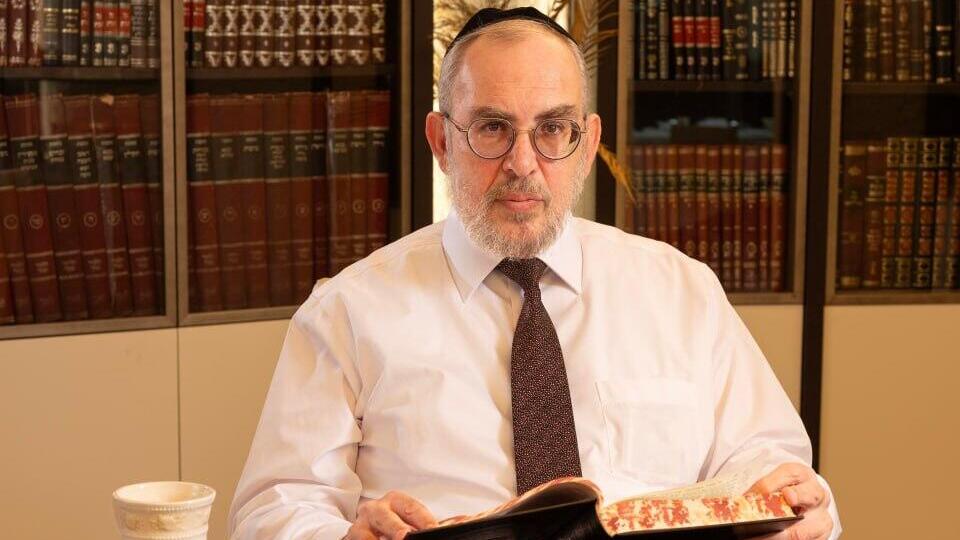
United Torah Judaism chairman Yaakov Asher
(Photo: Yuval Chen)
Rabbis Landau and Hirsch led the gathering, alongside other prominent religious figures who described voting as a religious obligation and warned that a decline in the party's strength could constitute a desecration of God's name.
Speakers repeated the slogan "Do not shirk voting," a play on the Hebrew language surrounding military-service exemptions, and described the election as a "vote for the Torah."
They also warned supporters against backing newly established ultra-Orthodox parties competing in the election.
Within Agudat Yisrael, the party's Hasidic component, preparations are continuing for an extensive Election Day operation designed to ensure that eligible voters in each Hasidic community reach polling stations.
Because polling officials are prohibited from sharing voter-participation information with party representatives, United Torah Judaism plans to station activists outside polling stations to record which known supporters arrive to vote, rather than relying on official turnout records.
Shas: Warnings over Jewish identity and a push for Sephardic support
Shas is concentrating on its traditional Sephardic and religious electorate, framing the election around the preservation of Jewish identity.
The party's spiritual leader, Rabbi Yitzhak Yosef, addressed a rally in Netivot on Sunday and urged supporters to continue the political and religious legacy of his late father, former Sephardic chief rabbi Ovadia Yosef.
Shas is establishing a telephone operation to monitor turnout among its supporters throughout Election Day.
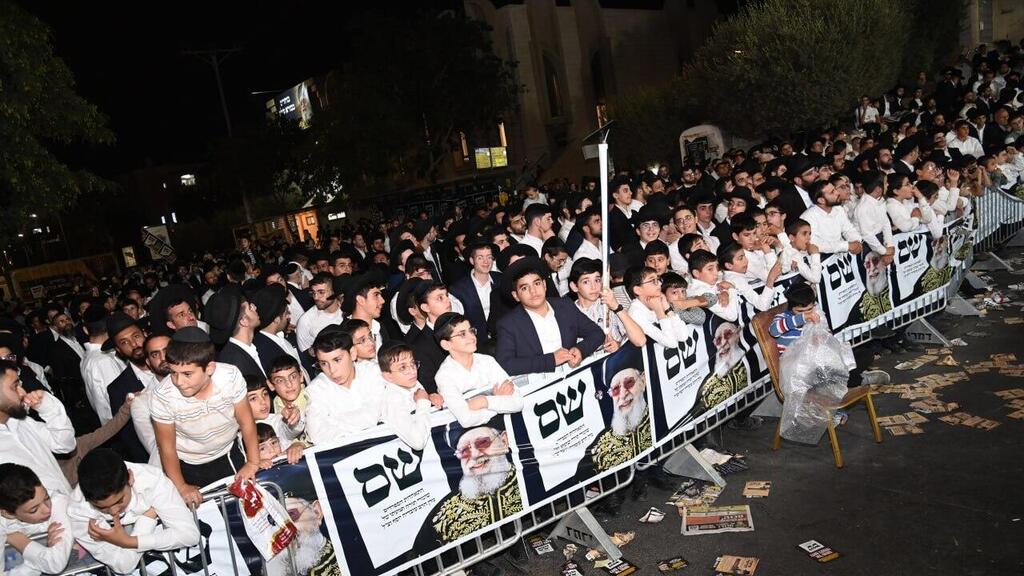
Rabbis attend an election rally in support of Shas
(Photo: Herzl Yosef)
Where participation appears low, party rabbis are expected to contact local religious leaders and encourage them to mobilize their communities.
The party is also seeking support from additional Sephardic ultra-Orthodox communities and is approaching religious figures in the hope that they will publicly endorse its election campaign.
Campaign videos warn of threats to "Jewish identity." Another video uses footage of the late Rabbi Ovadia Yosef entering a polling station and blessing people voting for Shas.
Religious Zionism and Zehut: Mobilizing their traditional base
The joint Religious Zionism-Zehut list, led by Bezalel Smotrich and Moshe Feiglin, is preparing an extensive field operation concentrated on its traditional electorate.
According to the party, thousands of activists have registered to participate in its final campaign activities, with operations planned in approximately 25 major cities and 65 buses assigned to transport supporters.
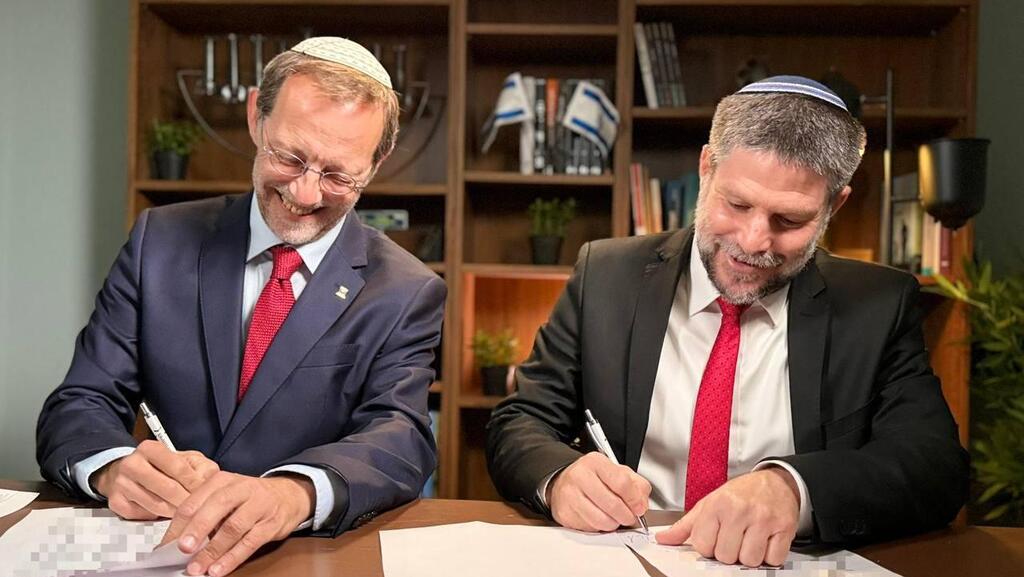
Bezalel Smotrich and Moshe Feiglin sign their parties' merger agreement
The effort is divided into three geographic areas: religious Zionist strongholds such as Jerusalem, Petah Tikva, Givat Shmuel, Ra'anana and Modi'in; peripheral cities including Ashkelon, Sderot, Beit She'an, Tiberias and Dimona, as well as communities in the Galilee and Negev; and Jewish settlements across the West Bank, including smaller communities.
One of the campaign's more unusual features is a branded roulette wheel intended to encourage conversations with passersby.
The wheel features issues the party wants to highlight, including governance, construction in the disputed E1 area east of Jerusalem, the evacuation of farms and communities in the West Bank and opposition to what the party calls the "exclusion of Judaism." Security, settlement policy and legal issues also appear on the wheel.
These messages are aimed at the party's core electorate, particularly voters who may be considering a switch to Ben-Gvir's Otzma Yehudit.
On Election Day, the party will also operate a telephone headquarters led by candidate Yossi Bachar, a retired major general from Kibbutz Be'eri.
Ra'am: Abbas seeks higher turnout in the Negev
Mansour Abbas and his Ra'am party, also known as the United Arab List, are concentrating on increasing participation among Arab voters, particularly Bedouin communities in the Negev.
Thousands attended election rallies on Sunday in Hura and the nearby al-Sayyid area, according to the party.
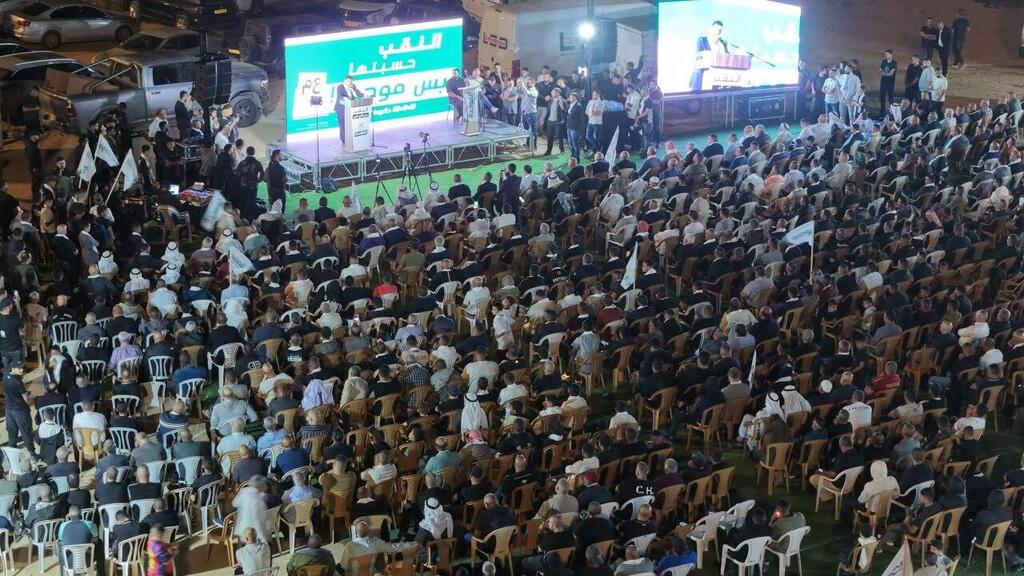
Ra'am supporters attend an election rally in Hura in the Negev
(Photo: Ra'am spokesperson)
Abbas appeared alongside lawmakers Walid al-Hawashla and Yasser Hujirat, local government leaders, religious figures and political activists.
Speakers emphasized the importance of participation and argued that every vote could strengthen Ra'am's representation in the next Knesset.
During the events, party officials highlighted what they described as achievements from Ra'am's participation in a previous governing coalition, including the recognition of four Negev villages, measures intended to permit construction in previously unrecognized communities and an economic and social development program.
Ra'am also emphasized the issue of home demolitions and its demand for changes to government policy affecting Arab communities.
The party's final message is centered on higher turnout as a means of increasing its parliamentary strength and contributing to its stated goal of replacing the government.
Reservists-Economic Party: Hendel and Zelekha appeal to the middle class
Yoaz Hendel and Yaron Zelekha, whose joint Reservists-Economic Party is battling to cross the electoral threshold, are trying to present a vote for their list as a protest against Israel's established political parties.
Their central message targets Israelis frustrated by the burden of military reserve service and the rising cost of living.
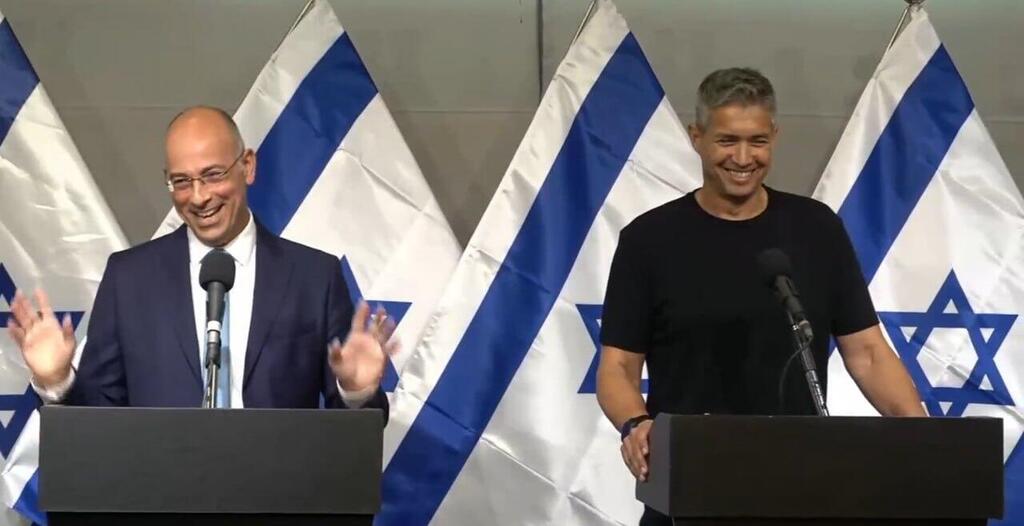
Yoaz Hendel and Yaron Zelekha, who are presenting their party as a force for political stability
The party is appealing to working and middle-class voters who believe traditional political parties have failed to address the financial and social pressures they face.
Hendel and Zelekha are also promoting themselves as a potential source of political stability, arguing that their entry into the Knesset could help prevent another election.
In doing so, they are attempting to turn their precarious position near the electoral threshold into a reason for voters to support them.
The party is also seeking to generate momentum through public declarations of support from military reservists, an effort associated with Idan Amedi, while continuing visits to locations popular with younger voters.
Amcha Yisrael: Winter targets former Netanyahu supporters
Just six weeks after announcing its formation, Amcha Yisrael, led by retired general Ofer Winter, held a major final campaign rally in Jerusalem on Sunday night.
The event was used to distribute responsibilities among activists and volunteers ahead of Election Day.
According to the party, its campaign has included more than 250 house meetings, over 12 major rallies and more than 100 field visits across Israel.
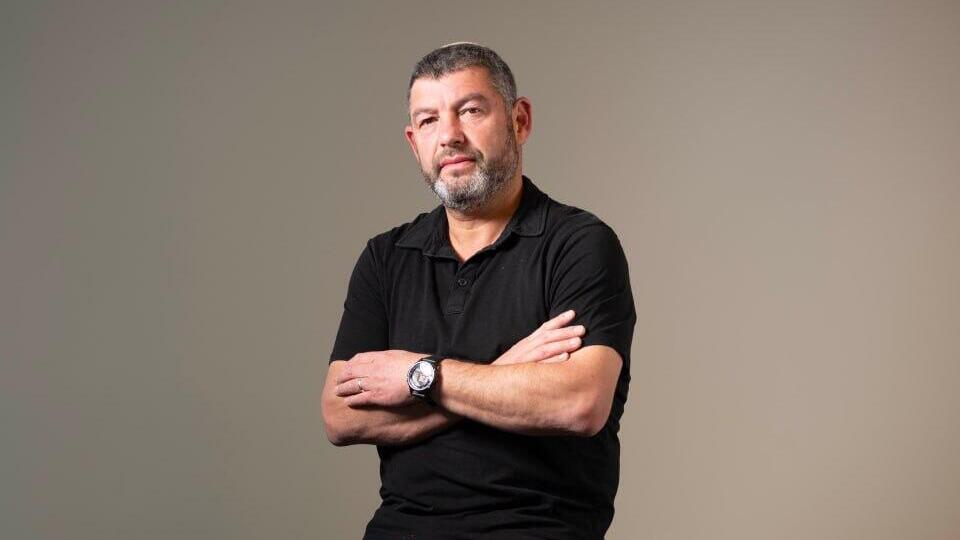
Ofer Winter
(Photo: Yuval Chen)
The party's final-day strategy is based on an analysis of polling stations that it commissioned to identify areas where it believes support could be increased.
Amcha Yisrael says it plans to target former Netanyahu voters, as well as people who previously supported Bennett and Liberman, on the assumption that these groups contain voters who may still be open to persuasion.
Campaign volunteers will be dispatched to those locations, alongside a major billboard operation in areas the party has identified as strategically important.
The emphasis will be on younger neighborhoods with concentrations of soldiers and military reservists, as well as cities with religious Zionist populations outside the West Bank settlements, where Smotrich's party is considered stronger.
On Tuesday, Winter is expected to vote in Mitzpe Netofa before touring polling stations identified by his campaign as having significant potential. He will meet activists and volunteers throughout the day.
Winter plans to end the evening at Hangar 11 in Tel Aviv Port, where he will watch the exit polls alongside party supporters.