


Hundreds of teachers and principals will be absent from schools in the opening days of the new academic year because of the mass mobilization of reservists. Rabbi Nitzan Berger, head of the Amit Kfar Ganim Yeshiva High School in Petah Tikva, said: “The military service of educators is the most important lesson for students."
Berger will do everything he can to be present on Sept. 1, the first day of school. Shortly after, he will return to his third round of reserve duty since the Gaza war began. “In my view, the call-up of teachers is the most important educational message for students,” he said.
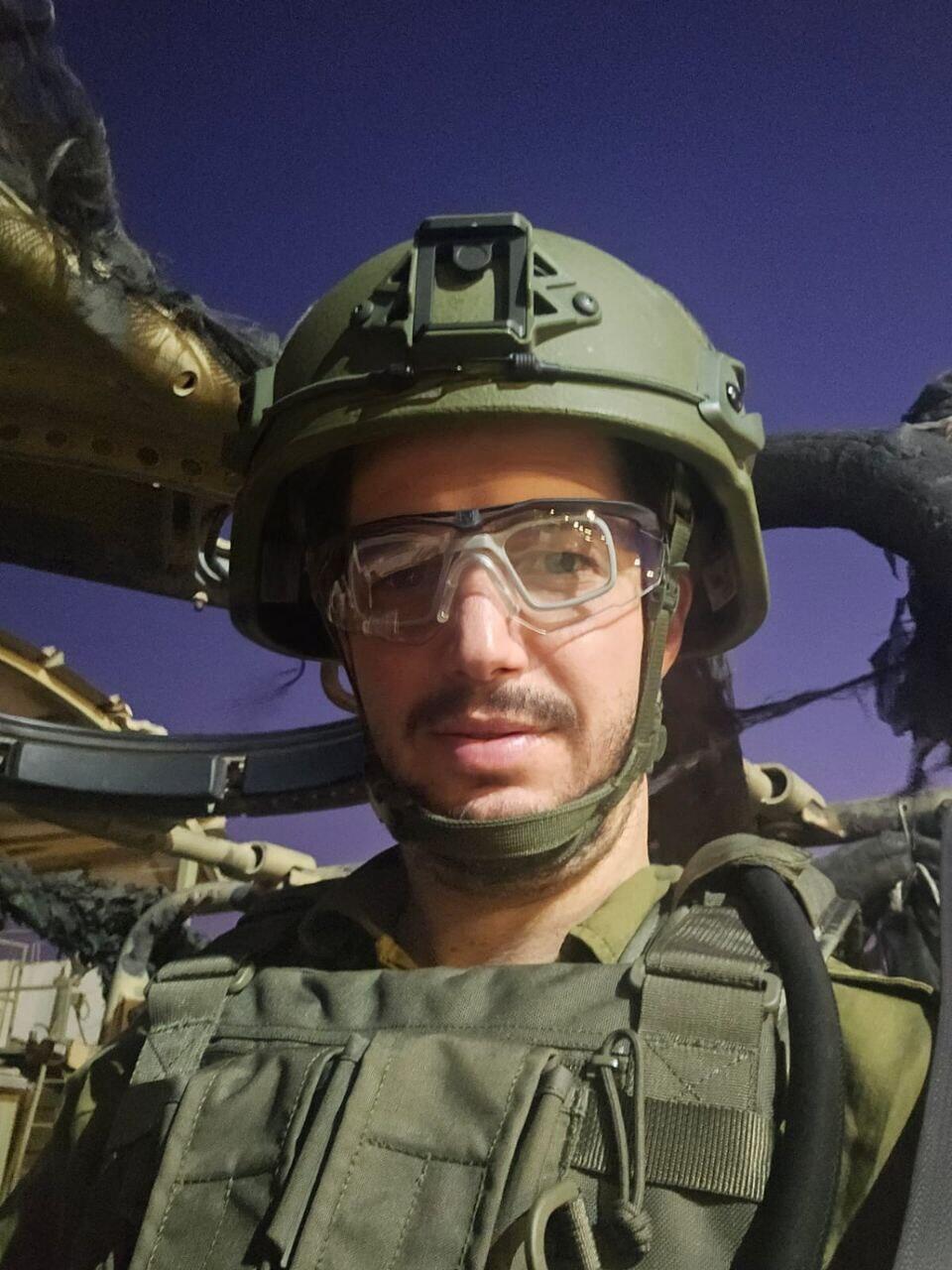
Estimates suggest that hundreds of teachers and principals who received emergency call-up orders, known as Tzav 8, will be missing from schools at the start of the academic year.
In the first year of the war, thousands of teachers and principals were mobilized, and many were released gradually, only to be called back again.
Now, ahead of the expanded reserve draft as part of preparations for the takeover of Gaza City, the education system is scrambling to find solutions through substitutes and by leaning on remaining staff.
The Education Ministry said in a statement: “Like every other national system, the education system is affected by the war. Since Oct. 7, thousands of principals and teachers have been called to reserve duty, which is a national mission that is a badge of honor for educators, setting a role model for Israel’s students, and a source of pride for the education system as a whole. The system is prepared to ensure continuity of learning at all times."
‘It is a great mitzvah to defend the people of Israel’
During summer break, while his students were away, Berger was in uniform. By the end of September, he will have served nearly 300 days in reserves. He continues to manage the Yeshiva high school from the field, mostly by phone and with the help of his managerial team.
“Being a role model in reserve duty is not easy, but it is a strong educational statement,” he said. “Some staff are exempt from military service yet volunteer for reserve duty anyway.
We teach our students the importance of meaningful military service and command roles because it is a great mitzvah, a religious duty to defend the people of Israel. Our graduates go on to pre-army programs and yeshivas, and from there to the army, where we meet them in uniform."
Still, he does not intend to miss the first day of the school year. “I’ll do everything to be there,” he said. “To celebrate with the students and staff and begin the year with joy. Then I will return to reserve duty and carry out important missions at the front."
Rabbi Avi Shayish, head of Amit Bruchin Yeshiva in the Shomron (West Bank), has already served more than 500 days in reserves. Alongside his service, he also manages the impact of emergency call-ups on his staff. In recent days, five of his educators were drafted.
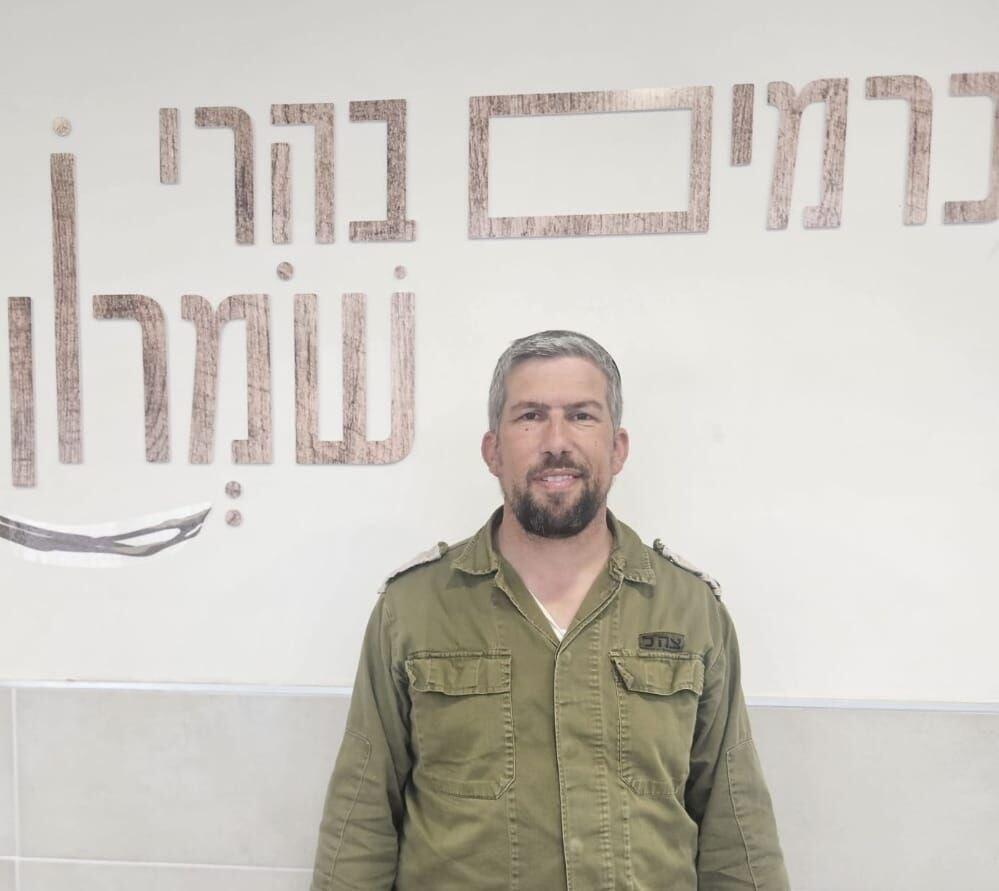
Rabbi Avi Shayis
“Our administration and division heads are looking for creative solutions to give students a proper solution,” Shayish said. “The students are mature enough to understand that their teachers are at the front and that the country and the army need them right now. They help us cope with this reality as best they can.”
Shayish said 12th-grade students are stepping up to lead junior-high school classes, teachers are taking on extra homerooms until colleagues return, and even retired teachers are pitching in.
“Educators who are serving at reserve duty continue to teach from the field,” he added. “They send videos to students, try to keep in touch, and most importantly, convey the message that education is not only about teaching in a classroom. Sometimes it means driving a tank or commanding a unit. That too is an educational and moral message."
Yuval Elimelech, deputy director of pedagogy at AMIT headquarters, said dozens of its teachers are currently mobilized.
“Almost every school has several staff members drafted. The numbers are high, but we can manage thanks to those teachers who, on the home front, take it upon themselves to shoulder the task of education.
"Clearly, it’s not ideal for a student to start the year without their homeroom teacher, but we are at war, and as educators who stress the importance of meaningful military service, teachers are themselves serving as role models. Solutions will be found."