

The affair surrounding the leak of classified documents to the German newspaper Bild and the so-called Qatargate scandal have returned to the headlines in recent days.
Eli Feldstein, former military spokesman for Prime Minister Benjamin Netanyahu, who is charged in the first case and implicated in the second, claimed this week that Netanyahu “knew about and backed the leak.” At the same time, correspondence between Feldstein and Yisrael Einhorn, a former close adviser to the prime minister, was revealed, showing efforts to promote pro-Qatar messaging in Israel.
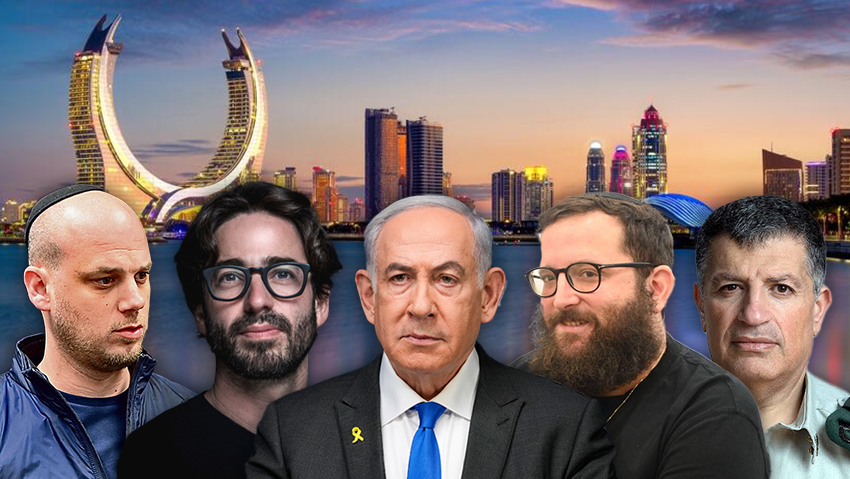
According to the indictment in the first case, Feldstein passed classified information to Bild following the killing of six hostages in Rafah. The material, referred to as the ‘Hamas document,’ was used to argue that only military pressure would secure the hostages’ return.
The suspicion in the second case is that Netanyahu associates and members of his office, Feldstein, Yonatan Urich and Einhorn, worked to bolster Qatar’s standing in Israel while weakening Egypt’s role as a mediator in talks to end the war, allegedly in exchange for payment.
So how did it begin, and where do the cases stand now.
The Bild affair
Who initiated the leak?
According to investigators, reservist Sgt. Ari Rosenfeld, who served in a classified intelligence unit, independently transferred the Hamas document to Feldstein. Rosenfeld has said he did so only to pass it on to Prime Minister Netanyahu.
Feldstein, however, claimed Rosenfeld was fully aware of the plan and continued to send him two additional classified documents after the leak to Bild. Rosenfeld said he was surprised by the German publication but believed it had been approved by the prime minister.
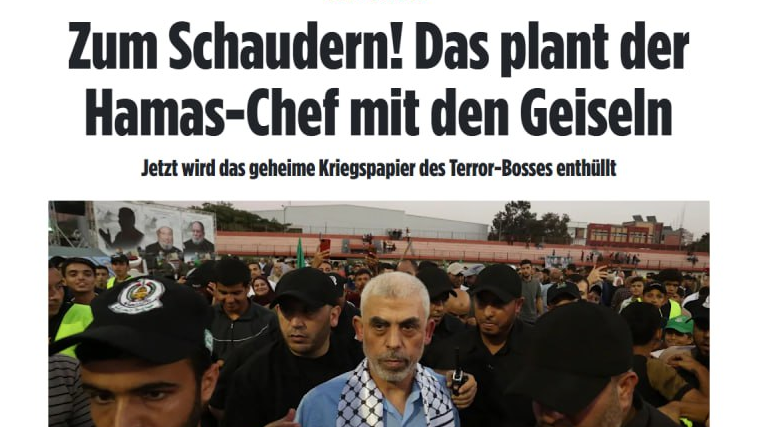
The Bild headline featuring the document leaked by Feldstein, September last year
Initially, Feldstein sought to publish the document in Israel. After military censors blocked the report, he told investigators that a senior editor at Channel 12 News suggested publishing it abroad. Foreign outlets are not subject to Israeli censorship, allowing later domestic publication once the material appeared overseas.
Who was involved?
This remains the central question, as criminal liability hinges on the answer. Feldstein claims Urich and Netanyahu were partners in the leak and that he acted with their approval. Both deny the allegation.
Evidence tying Netanyahu to the leak is considered weak, and he has neither been named a suspect nor summoned for testimony. Evidence regarding Urich’s involvement is more substantial and is currently being reviewed by prosecutors to determine whether charges will be filed.
Was the Prime Minister’s Office involved afterward?
The Bild episode is divided into two phases, before and after the leak. Investigators say evidence shows that following publication, the Prime Minister’s Office, including Netanyahu himself, was involved in consultations with Feldstein, Urich and Netanyahu spokesman Ofer Golan on how to respond publicly.
What about the additional classified documents?
Beyond the Hamas document, Rosenfeld transferred two additional intelligence files to Feldstein. Feldstein said discussions on how to handle them involved both Einhorn and Urich, a claim Urich denies. Prosecutors are currently examining evidence related to those allegations.
Qatargate
When did contacts with Qatar begin?
As first reported by journalist Bar Peleg in Haaretz, the Qatari image campaign began around 2022, during the World Cup hosted by Qatar, when Einhorn and Urich carried out an international public relations campaign for Doha. At the time, Netanyahu was not prime minister but leader of the opposition.
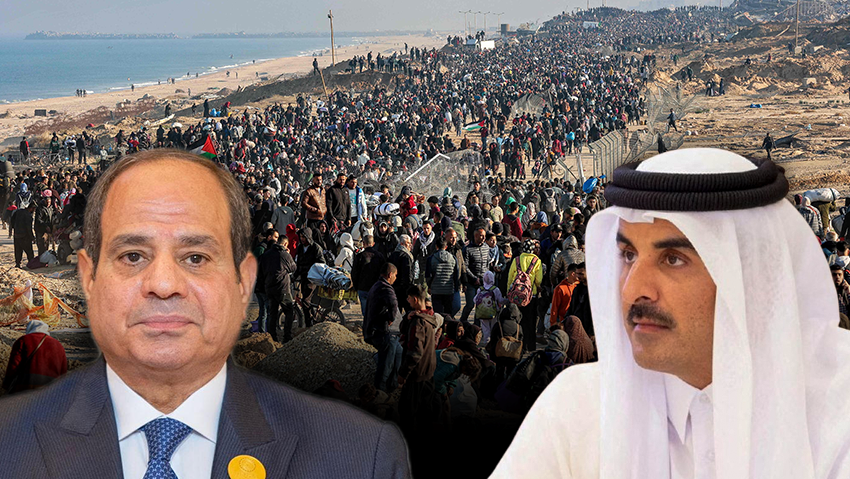
The goal of the messaging: strengthen Qatar’s standing at Egypt’s expense. Emir Al-Thani and President el-Sissi
(Photo: Omar AL-Qattaa/ AFP, Reuters)
After Netanyahu returned to office, the campaign continued. Urich’s attorney has argued that his client worked only on international messaging and was not involved in efforts targeting Israeli public opinion. The domestic campaign, according to investigators, began only after the October 7 massacre and was carried out by Feldstein and Einhorn.
Feldstein claims Urich took part. Einhorn has supported Urich’s version, though prosecutors say evidence challenges that account.
Did Feldstein know he was working for Qatar?
Feldstein has said he believed he was acting on behalf of the Prime Minister’s Office. Einhorn told investigators Feldstein was aware of who was funding the effort. Evidence reviewed by prosecutors complicates Feldstein’s claim.
Did the Qatari messaging harm Israel’s security?
This question lies at the heart of Qatargate and will determine whether any indictment includes the serious charge of harming state security.
Feldstein argues the pro-Qatar messages aligned with Netanyahu’s positions and therefore did not endanger Israel. The messaging included media attacks on Egypt and allegedly undermined its standing as a mediator.
Einhorn told investigators the messaging did not align with official Prime Minister’s Office policy. A Shin Bet assessment examining whether the Qatari campaign harmed Israel’s security has recently been submitted to prosecutors.
Legal response
Attorney Uri Korb, counsel for Rosenfeld in the Bild case, said in an interview with the ynet studio that Feldstein’s appearance on the Kan 11 program ‘It Will Be Good’ was “good television with a loose connection to reality.”
“Feldstein deceived Rosenfeld in real time and later falsely accused him during Shin Bet and police interrogations,” Korb said. “By his own admission, Feldstein lied during questioning. The only question now is when he was lying.”