

More than six years after Prime Minister Benjamin Netanyahu was indicted in his corruption trial, President Isaac Herzog has launched a new effort to explore a possible plea agreement, even as major gaps remain between the sides. Netanyahu has yet to respond.
The initiative does not constitute a decision on Netanyahu’s separate pardon request, nor does it reject it. Instead, Herzog has effectively paused deliberations on the pardon and asked the prosecution and defense to examine whether a negotiated plea deal could be reached in the corruption cases against him.
Gallery
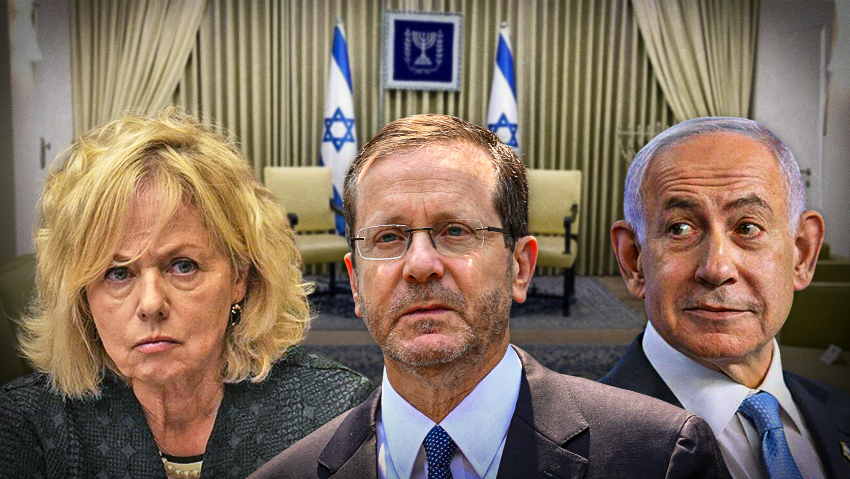
Attorney General Gali Baharav-Miara, President Isaac Herzog, Prime Minister Benjamin Netanyahu
(Photo: Mandel NGAN/AFP, Alex Gamburg)
Attorney General Gali Baharav-Miara and State Attorney Amit Aisman responded late Sunday that they are willing to hold discussions with Netanyahu’s defense team on a potential plea agreement.
However, they set two key conditions: that there be no preconditions for the talks, and that any discussions do not delay or disrupt the ongoing trial. They also did not agree to Herzog’s proposal that the talks be held at the presidential residence in Jerusalem, leaving the location unresolved.
Their response was described as a limited, procedural openness rather than acceptance of Herzog’s framework.
Netanyahu has not yet issued a formal reply, despite a deadline set by the President’s Residence that has already passed. This is where things currently stand:
Herzog’s proposal
In a letter sent through the President’s Residence legal adviser, Herzog invited the attorney general, the state attorney and Netanyahu’s defense team to meet under his auspices to explore whether an agreed resolution could be reached.
Officials at the presidency stressed that this is an initial stage only, before Herzog considers Netanyahu’s pardon request. The president is seeking to determine whether a plea agreement is possible that could resolve the trial before he addresses the question of clemency.
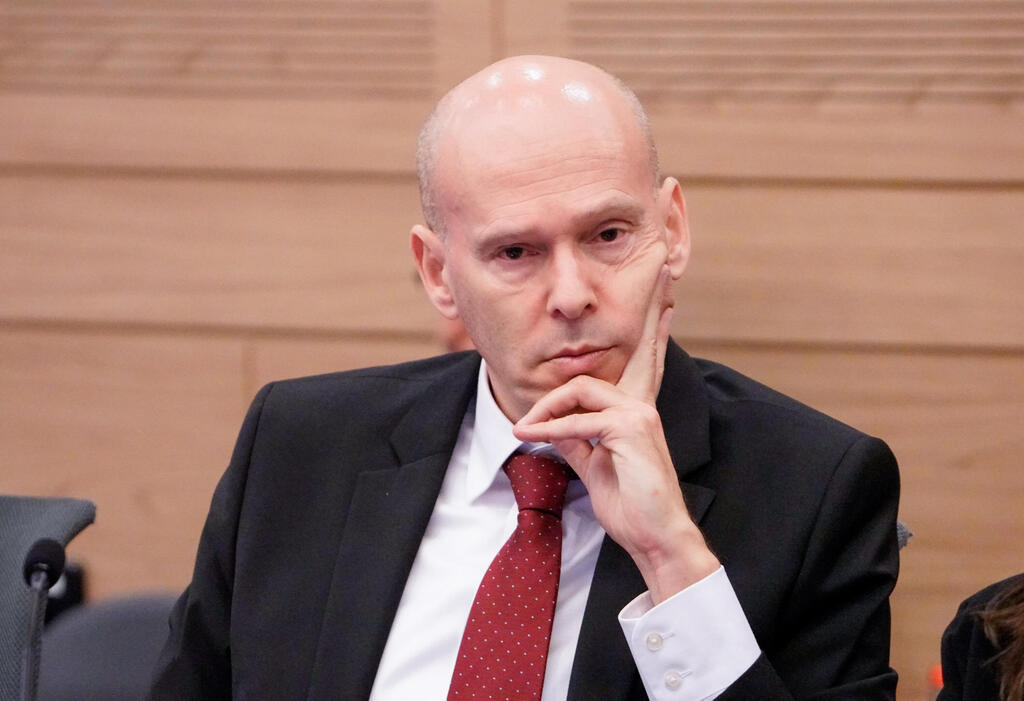
State Attorney Amit Aisman
(Photo: Shalev Shalom)
The letter emphasized that participation in the talks would not constitute any waiver of legal arguments by either side.
Herzog has not endorsed a pardon and has not rejected it. Instead, he is attempting to create what officials describe as a middle track — neither granting nor denying clemency — while encouraging a negotiated resolution.
Why Herzog is acting
According to statements from the President’s Residence and reporting by The New York Times, Herzog views Netanyahu’s trial as a major source of political and social division in Israel and believes a consensual resolution would be preferable to a unilateral decision on a pre-conviction pardon.
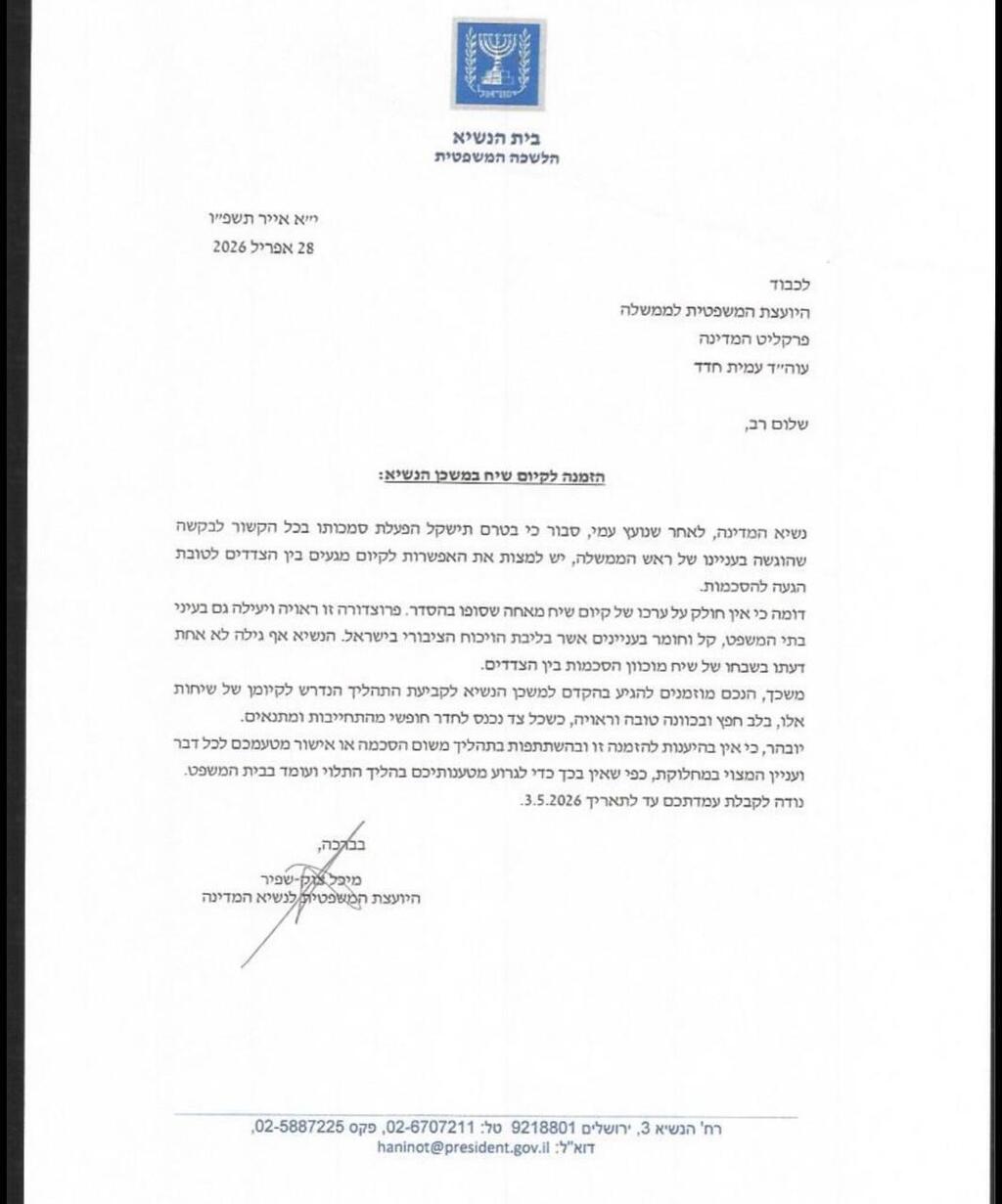
The invitation sent by Herzog to the parties
The approach is designed to test whether an agreement can be reached that would end the trial without forcing Herzog to immediately rule on the highly sensitive pardon request. Notably, the presidential invitation did not use the word “pardon,” even though the process stems from Netanyahu’s request for one.
Netanyahu has not yet submitted an official response. His position is politically and legally complex: agreeing to talks could signal openness to a plea deal, while also raising questions about whether he would accept any admission of wrongdoing, resignation from public life or legal stigma. Refusing to engage, meanwhile, could be portrayed as rejecting an opportunity to resolve the case.
Despite the new initiative, the positions of the parties remain far apart
Netanyahu has consistently denied the charges, has not expressed remorse and has not indicated willingness to leave politics. On the other side, prosecutors have made clear that any potential agreement would need to include legal consequences, including the possibility of a finding of moral turpitude that could bar him from future public office.
Even if bribery charges in one of the cases were dropped — an issue previously raised in light of judicial comments about evidentiary challenges — the prosecution has indicated that fraud and breach of trust charges would remain central and could still carry significant legal consequences.
What a plea deal would involve
A plea bargain in Israel is a negotiated agreement in which a defendant typically admits to some or all charges, often in exchange for reduced or amended charges and an agreed sentencing framework.
In Netanyahu’s case, such a deal could include modified indictments, reduced charges or an agreed penalty, but would likely hinge on unresolved questions about moral turpitude and whether he would be required to leave political life.
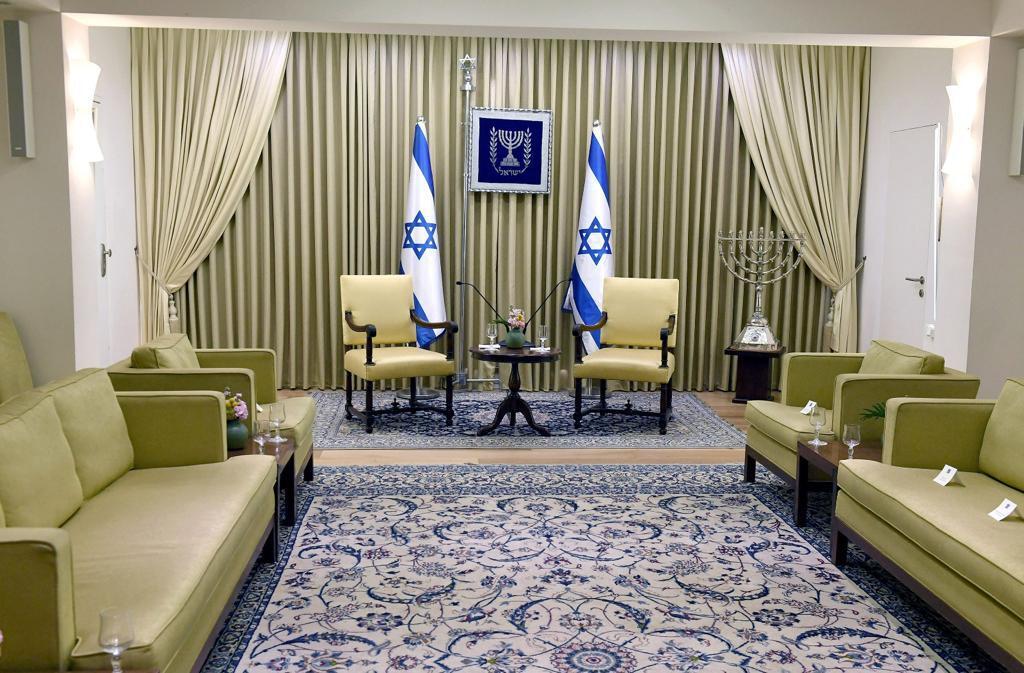
The President's Residence
A key obstacle is that any plea agreement generally requires an admission of guilt, something Netanyahu has so far refused.
Plea deal vs. mediation
The effort also differs from judicial mediation, in which a judge not involved in the trial attempts to narrow gaps between prosecution and defense.
The trial judges in Netanyahu’s case had previously suggested such mediation, but the attorney general rejected it at the time, warning it could delay proceedings.
Under Herzog’s current initiative, discussions could proceed alongside the trial rather than replace it. The attorney general has explicitly insisted that the proceedings must continue in parallel.
Connection to the pardon request
Netanyahu submitted a rare pre-conviction pardon request to Herzog, a move that legal officials previously said did not meet standard criteria because he has not been convicted, has not admitted guilt and has not expressed remorse.
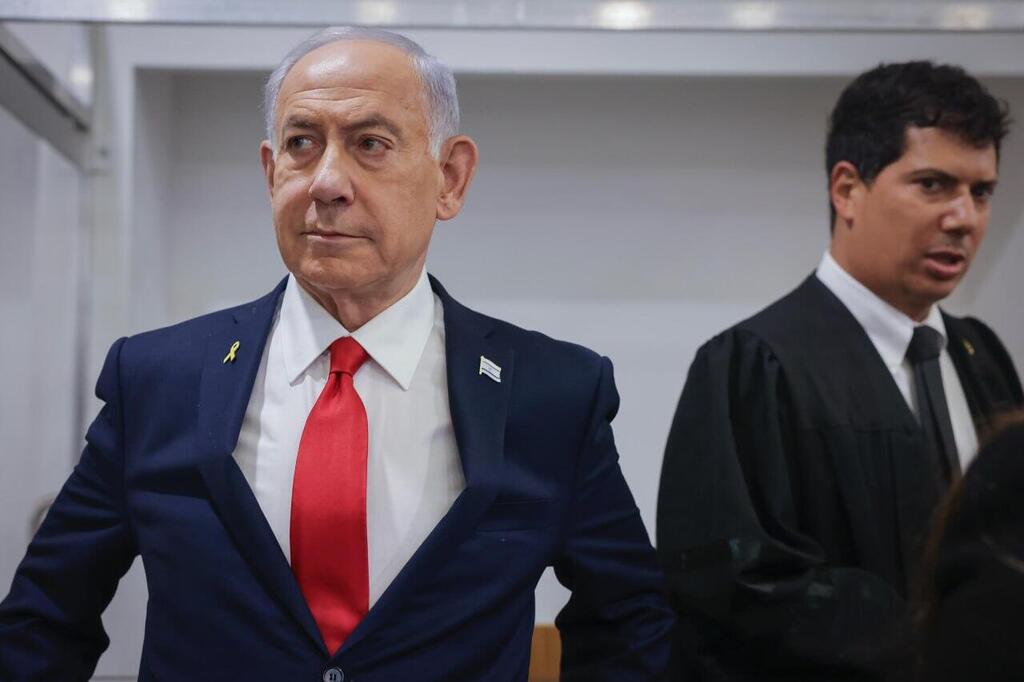
Netanyahu in court
(Photo: Miriam Elster)
Herzog has neither accepted nor rejected the request. Instead, he has deferred action while attempting to determine whether a plea agreement might render the pardon question unnecessary.
Limited presidential authority
Herzog cannot compel either side to reach a deal. His role is limited to facilitating dialogue. Any agreement would still require consent from both prosecution and defense and final approval by the court.
What happens next
Several scenarios remain possible: the sides could enter talks under a mediator or directly, Netanyahu could formally respond with conditions, or discussions could stall before they begin.
Even if talks proceed, they are expected to quickly confront core disputes over admission of guilt, moral turpitude and Netanyahu’s political future.
Trump calls on Herzog to pardon Netanyahu
(Video: Knesset)


For now, the trial continues on its normal course. Prosecutors have emphasized that discussions about a possible deal will not pause or replace court proceedings.
Herzog has opened a door to negotiations, the attorney general has agreed in principle under strict limits, and Netanyahu has yet to step through it.
First published: 19:30, 05.04.26