

China is preparing to supply Iran with up to 400 portable air defense systems despite a recent warning from U.S. President Donald Trump against arms transfers to Tehran, Reuters reported Wednesday, citing three sources familiar with the deal.
The reported shipment would form part of Iran’s effort to rebuild air defenses badly damaged during the war with the United States and Israel.
Gallery
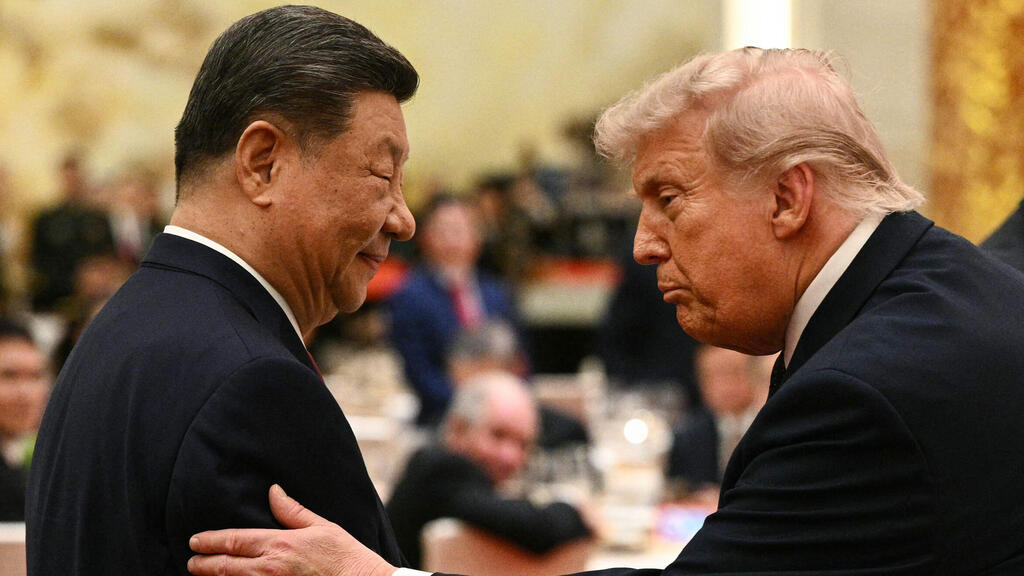
US President Donald Trump with Chinese President Xi Jinping during a visit to Beijing
(Photo: Brendan SMIALOWSKI / AFP)
According to the sources, the agreement covers between 300 and 400 Chinese-made man-portable air defense systems, or MANPADS, including QW-12 and FN-16 missiles. The deal is valued at between $60 million and $70 million, with the first shipment expected within weeks.
If delivered, the systems would strengthen Iran’s short-range air defenses after its military struggled to protect bases, energy infrastructure and other strategic sites during the fighting.
The contract was reportedly signed through Zhongqing Baoshang International Investment, a Hong Kong company that the sources said served as an intermediary between the Iranian and Chinese sides.
China’s Foreign Ministry firmly denied the report.
“The relevant reports are completely groundless,” it said. “China has consistently played a role in promoting peace and ending the conflict.”
Iran’s Foreign Ministry did not respond to Reuters’ request for comment. Zhong Qing Bao Shang, the parent company of the Hong Kong intermediary, also did not respond.
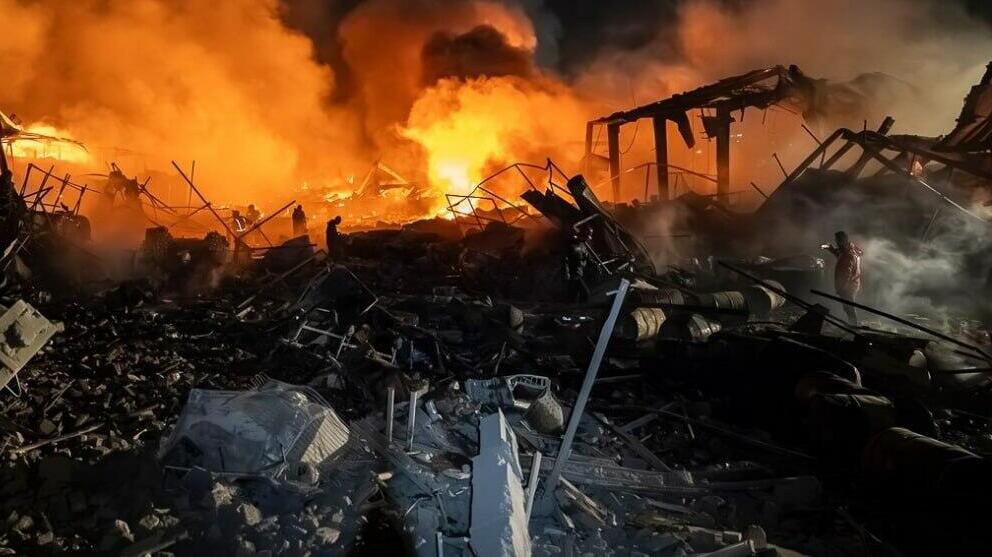
Damage at a Tehran factory bombed during the war. Iran needs to rebuild its air defenses
Trump wrote on Truth Social that Xi, during their “recent meeting in Beijing,” told him that China would not “under any circumstances, give or sell Weapons to the Islamic Republic of Iran,” including through Chinese companies.
“Considering our relationship, I take him at his word and besides, I am doing him very big favors, also,” Trump wrote.
He added that Putin had also told him he would not sell weapons to Iran, concluding: “If they did, it would be very bad for them — Certainly not in their best interests.”
The reported agreement, if confirmed, would appear to contradict Xi’s alleged commitment.
It also comes amid separate claims that Russia has provided Iran with intelligence assistance for attacks on American targets in the Middle East. Reuters reported last week that U.S. intelligence agencies were examining whether Russia helped Iran improve the accuracy of drone strikes against CIA facilities in the Persian Gulf.
Shipment reportedly routed through Pakistan
Under the reported plan, the weapons would first be flown from Urumqi in western China and then transferred to Iran through Pakistan.
The sources did not specify whether the Pakistan-Iran leg would be carried out by air or overland.
Pakistan, which has presented itself as a neutral mediator between Iran and the United States, denied any involvement.
“Speculation that Pakistan is involved in supplying Chinese air defense weapons to Iran is completely fabricated and false,” Pakistan’s military said.
A Foreign Ministry spokesperson did not respond to a request for comment.
Despite the denials, the sources said China and Iran were examining land routes for the shipment.
The issue is particularly sensitive because Pakistan and Iran have recently supported efforts to restart dialogue between Tehran and Washington through a Chinese initiative.
A source told Reuters over the weekend that the closure of the Strait of Hormuz was damaging Chinese interests.
Iran seeks to rebuild damaged air defenses
Iran’s air defense network suffered extensive damage during the war as U.S. and Israeli forces sought to establish air superiority and strike military facilities and strategic infrastructure with relatively limited interference.
The fighting paused after a memorandum of understanding was signed in June, but resumed several weeks later when Iran attacked tankers in the Strait of Hormuz.
The U.S. military abruptly halted nearly two weeks of strikes over the weekend. Trump said he had decided to give negotiations another chance but warned that the attacks would resume if talks failed again.
The proposed Chinese systems would significantly increase Iran’s stock of short-range air defenses, though military experts said they would offer little protection against high-flying fighter jets and strategic bombers.
MANPADS can, however, be quickly deployed and dispersed, operated by small teams and frequently relocated, making them less vulnerable than fixed air defense batteries.
The QW-12 and FN-16 are infrared-guided shoulder-fired missiles designed to target low-flying aircraft, helicopters and drones.
For Iran, their mobility would allow them to be deployed rapidly around military facilities, energy infrastructure and other sensitive sites.
Air defense analysts consider the QW-12 less capable than newer systems in the same family, such as the QW-18 and QW-19. Still, they said it could provide an effective short-range layer against drones and low-altitude targets.
A European security source said authorities in his country were aware of several contracts under discussion involving possible sales of QW-series MANPADS to Iran, including the QW-12, QW-18 and QW-19.
A second security source from the Middle East said Iran had sought to acquire QW-12 and QW-18 missiles, but was unaware that a final agreement had been signed.
Two Western intelligence sources and a senior Iranian official also said Tehran had explored overland routes to move Chinese military equipment and dual-use components more discreetly and reduce the risk of disruption.
The reported procurement highlights Iran’s continued reliance on a combination of domestic weapons production and foreign suppliers despite years of sanctions and import restrictions.
Reuters previously reported that Iran was close to securing a separate agreement with China for anti-ship cruise missiles, although it remains unclear whether that deal was completed.