


Concern is growing in Israel and Greece over signs that the Trump administration may be considering a move that would allow Turkey to return to the track for purchasing F-35 stealth fighter jets, the European news site Euractiv reported.
U.S. President Donald Trump hinted last week that he intended to take a step that would make Turkish President Recep Tayyip Erdogan “very happy” ahead of next week’s NATO summit in Ankara. At the same time, Reuters reported that the administration had already notified Congress of its intention to approve the sale of U.S.-made engines worth about 613 million euros for Turkey’s KAAN fighter jet, which is still under development.
Gallery
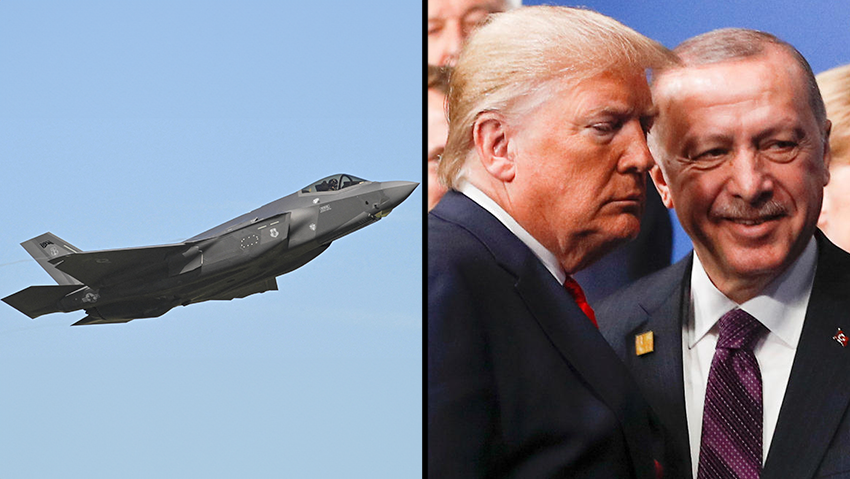
Israel and Greece are increasingly concerned that Trump may let Turkey buy F-35 stealth jets again
(Photo: REUTERS/Jana Rodenbusch)
The central question, according to the report, is whether Washington will also be willing to allow Turkey to buy F-35 jets. Ankara was removed from the F-35 program in July 2019 after purchasing Russia’s S-400 air defense system, a move the United States said endangered the security of the aircraft’s sensitive technology.
Israel and Greece have consistently opposed the possibility of Turkey acquiring the stealth fighters, arguing that such a move would harm their technological edge and alter the regional balance of power. Greece has already ordered F-35s, while the Israeli Air Force operates a unique version of the aircraft, which has taken part in operations in Lebanon, Syria and Iran.
Israel’s ambassador to Greece, Noam Katz, told Euractiv in May that Turkey’s “hostile” conduct in the region justified continued American opposition to returning it to the F-35 program.
“The Americans will make the decision according to their interests, but Israel believes that at this stage supplying the aircraft to Turkey is undesirable in our region,” Katz said.
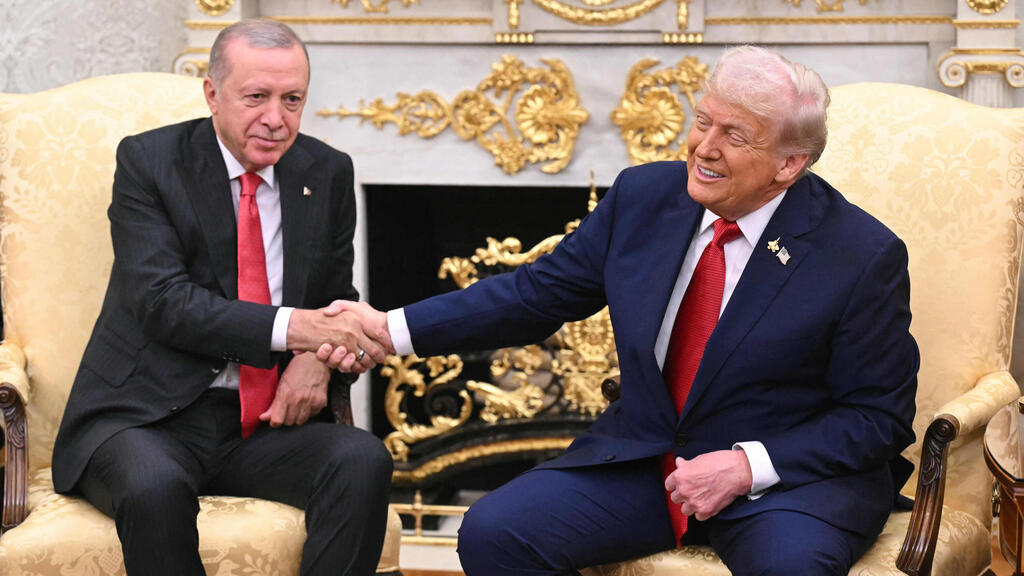
US President Donald Trump with Turkish President Recep Tayyip Erdogan
(Photo: SAUL LOEB / AFP)
Democratic Congresswoman Dina Titus is meanwhile working to gather support for a letter calling on Congress to block any deal to sell F-35 jets to Turkey.
A regional intelligence official told Euractiv that approval of the KAAN engine deal is expected to move forward, but that a breakthrough on the F-35 issue could depend on Turkey transferring its S-400 system to a third country rather than returning it to Russia. One possibility reportedly raised was transferring the system to South Korea.
The European report also noted the worsening diplomatic tensions between Israel and Turkey. Prime Minister Benjamin Netanyahu said Sunday that Israel takes Erdogan’s threats against Israel seriously and would raise the issue with the U.S. administration.
Euractiv also noted that Israeli companies manufacture and develop significant components for the F-35 program, including wing parts and the pilot helmet display system developed by Elbit Systems. Jerusalem would not welcome a scenario in which Israeli-made components found their way into Turkish fighter jets.