

Aid organizations report growing distress among seafarers stranded in the Persian Gulf since the outbreak of war between the United States and Israel and Iran, and Tehran’s decision to close the Strait of Hormuz, one of the world’s busiest oil and gas shipping routes. More than 20,000 sailors have been stuck in the area since Feb. 28, including nearly 7,300 Filipinos.
The Strait of Hormuz, linking the Persian Gulf with the Gulf of Oman, carries about one-fifth of global oil supply. Shortly after the war began, Iran warned it would attack and set ablaze any vessel passing through without authorization, effectively shutting the route in an effort to disrupt global energy supplies and pressure U.S. President Donald Trump to end the conflict.
Gallery
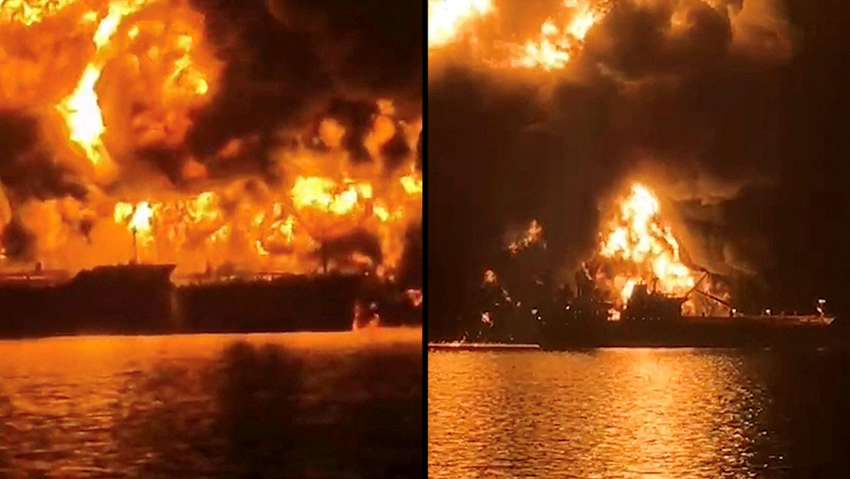
Ship ablaze in the Gulf, reportedly after an Iranian attack
(Photo: Media Office of Iraqi Ports)
As a result, large numbers of vessels have been left stranded at sea, including within the Persian Gulf. Five Filipino sailors aboard such ships told The New York Times they witnessed Iranian missile and drone attacks from their decks, including strikes on a major natural gas facility in Qatar, and took cover amid fears of shrapnel.
One sailor, identified by the initials K.R., told the newspaper that his immediate concern was for his family and what would happen to them if he were harmed, as he is their provider. He said he spends his days painting and scraping rust from the tanker while staying in daily contact with his parents and younger sister. He added that the fear is constant and that he remains deeply worried about his family, saying he has resigned himself to whatever may happen, placing his fate in God’s hands.
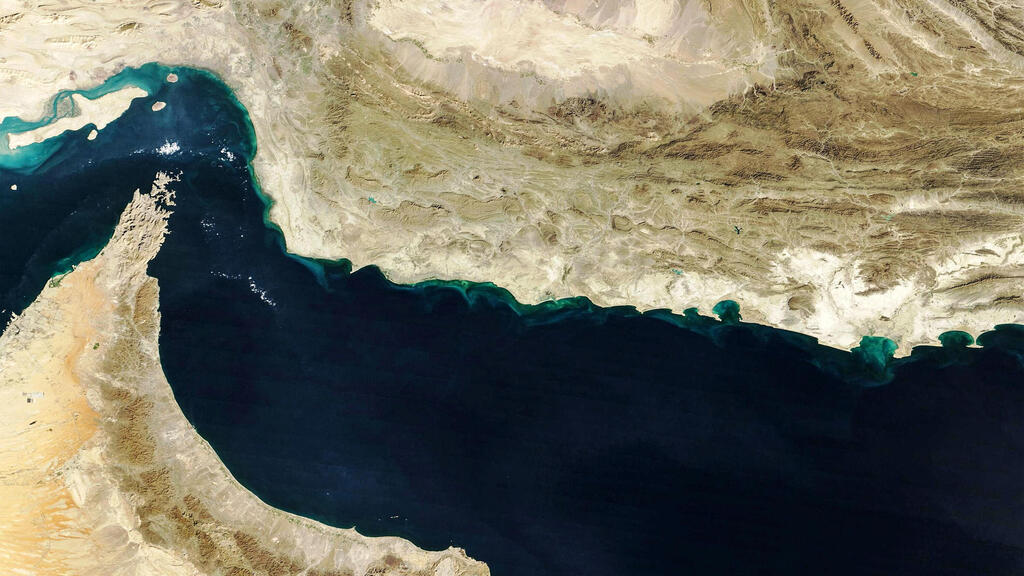
Strait of Hormuz, a critical global supply route
(Photo: AFP PHOTO / NASA)
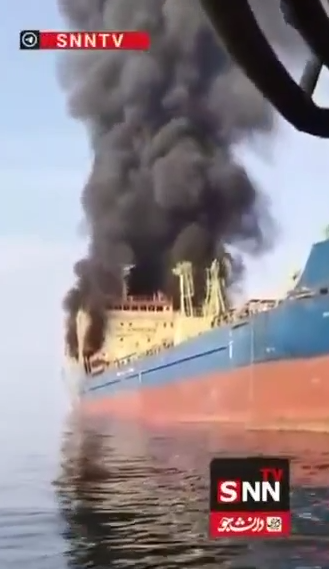
Tanker that Iran said it attacked while attempting to cross the Strait of Hormuz
Since the war began, about 20 vessels have been attacked in the Gulf region, with 10 sailors killed, at least 10 wounded and four still missing.
Another sailor told the Times he witnessed a drone attack on a Gulf port two weeks ago, with multiple explosions heard before the crew was ordered below deck. His vessel later managed to leave the strait, only to face further danger in the Red Sea from piracy and attacks by Iran-backed Houthis.
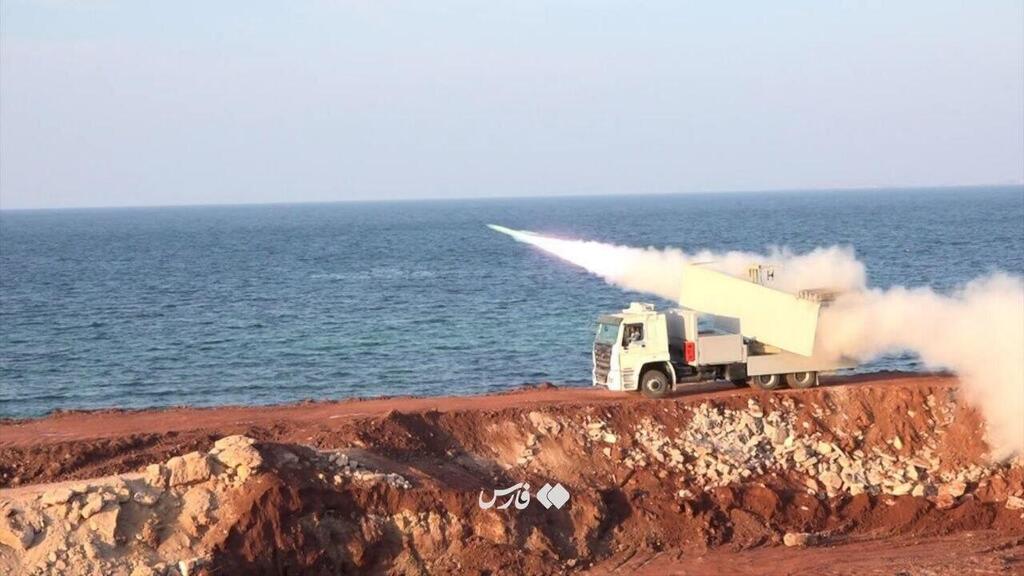
Islamic Revolutionary Guard Corps drill in the strait before the war, highlighting Tehran’s control over Hormuz
He said some crew members have stopped sleeping in their cabins, fearing they could be targeted, and have instead moved to other parts of the ship they believe are safer.
Simon Grainge, CEO of the London-based Seafarers’ welfare network, told the Times that sailors contacting its 24-hour helpline report fear, distress and anxiety, with some expressing thoughts of self-harm.