

The resignation announcement by British Prime Minister Keir Starmer as leader of the Labour Party is not just another political drama in London. It is another chapter in an extraordinary sequence of leadership changes in the kingdom since the 2016 Brexit referendum, a streak that has turned 10 Downing Street into a revolving door for prime ministers.
So how can a prime minister announce his departure, his successor potentially enter office within weeks and the public not go to the polls? The answer lies in Britain’s system: The public elects Parliament, not the prime minister. Whoever leads the party able to command the House of Commons, usually the party with a majority, is appointed prime minister.
Gallery
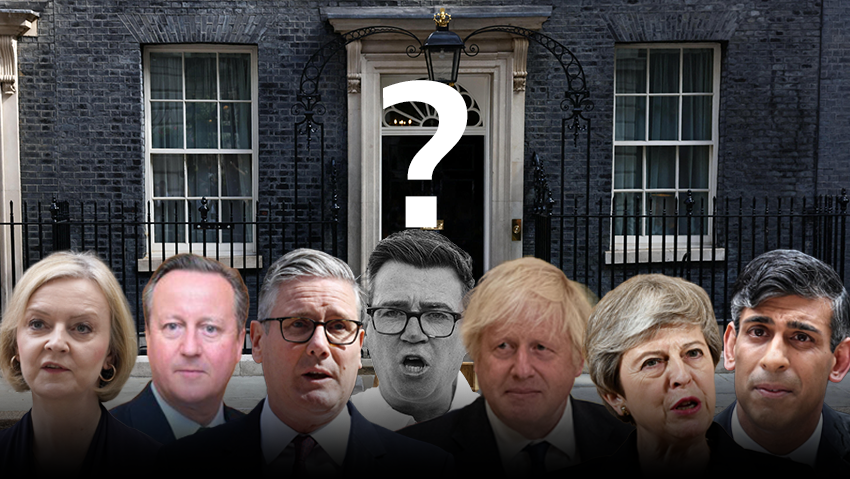
(Photo: Shlomi Amsalem, Foreign Ministry; AFP; Getty Images; AP; Henry Nicholls/AFP; Reuters/Jack Taylor; Ryan Jenkinson/Getty Images)
Therefore, when a prime minister resigns in the middle of a term, Britain has no automatic obligation to hold a general election. The governing party can choose a new leader, and if that leader enjoys the support of a majority of members of Parliament, he is invited by the king to form a government and enters 10 Downing Street. That is exactly what has happened repeatedly over the past decade.
So who actually chooses Britain’s prime minister?
The British prime minister is not chosen on a separate ballot, and there is no direct election for the role. In general elections, citizens elect members of the House of Commons: 650 constituencies, with one representative from each. The party that manages to secure a majority, or form one with other parties, forms the government.
Constitutionally, the king appoints the prime minister. But the king’s role is largely ceremonial: He invites the person most likely to command the confidence of the House of Commons. When there is a clear parliamentary majority, that is almost always the leader of the largest party or the governing party.
So when the leader changes inside the governing party, the premiership can pass to new hands without the public being asked again. In the British system, the mandate is given to the party and Parliament, not to one individual.
Keir Starmer announces resignation as Labour Party leader
(Video: Reuters)


Why are there no elections now?
Because Labour still holds a majority in Parliament. Starmer announced he would resign as party leader but remain prime minister until a successor is chosen. Once Labour elects a new leader, and barring an unusual political collapse, that leader will be the person able to command the confidence of the House of Commons, and therefore able to become prime minister.
The opposition, of course, can argue that the successor has no public mandate and demand a general election. But that is a political argument, not a legal requirement. As long as the government can survive in Parliament, there is no need to go to elections. The ways to bring down a government in the middle of a term are a no-confidence vote, a revolt within the governing party or a decision by the new prime minister to call early elections. But replacing the party leader does not automatically trigger an election campaign.
What happened since Brexit?
It all began on June 23, 2016, when Britain voted in a referendum to leave the European Union. The result was close: 51.9% voted to leave, while 48.1% voted to remain. Then-Prime Minister David Cameron, who led the campaign to stay in the EU, announced immediately after the result that he would resign.
British Parliament approves Brexit deal, December 2019
Since then, Britain has struggled to find political stability. Brexit was not only a decision about relations with Europe. It opened a deep debate over the kingdom’s identity, its economy, immigration, relations between England, Scotland, Wales and Northern Ireland, and the future of the two major parties.
David Cameron: The prime minister who fell over the referendum
Cameron was the one who promised to hold a referendum on EU membership, partly to calm the Euroskeptic revolt inside the Conservative Party. He expected the public to choose to remain, and lost.
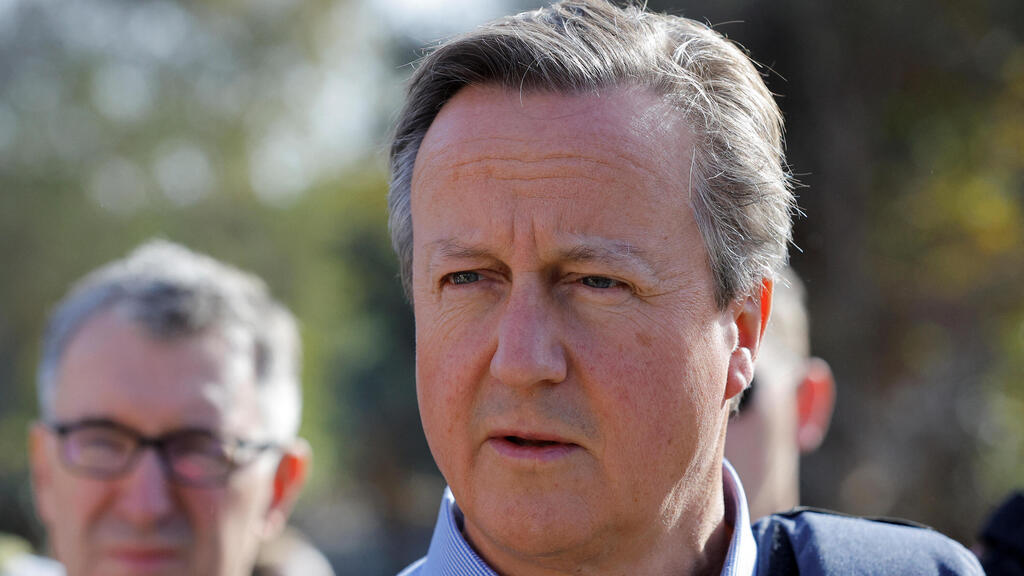
David Cameron
(Photo: REUTERS/Alexander Ermochenko)
The defeat made it impossible for him to continue in office. He announced his resignation, and Theresa May was chosen to replace him as Conservative leader and appointed prime minister without a general election.
Theresa May: Stuck with Brexit
May entered office with a line that became a slogan: “Brexit means Brexit.” She triggered Article 50, formally starting the process of leaving the EU, and tried to reach a deal with Brussels.
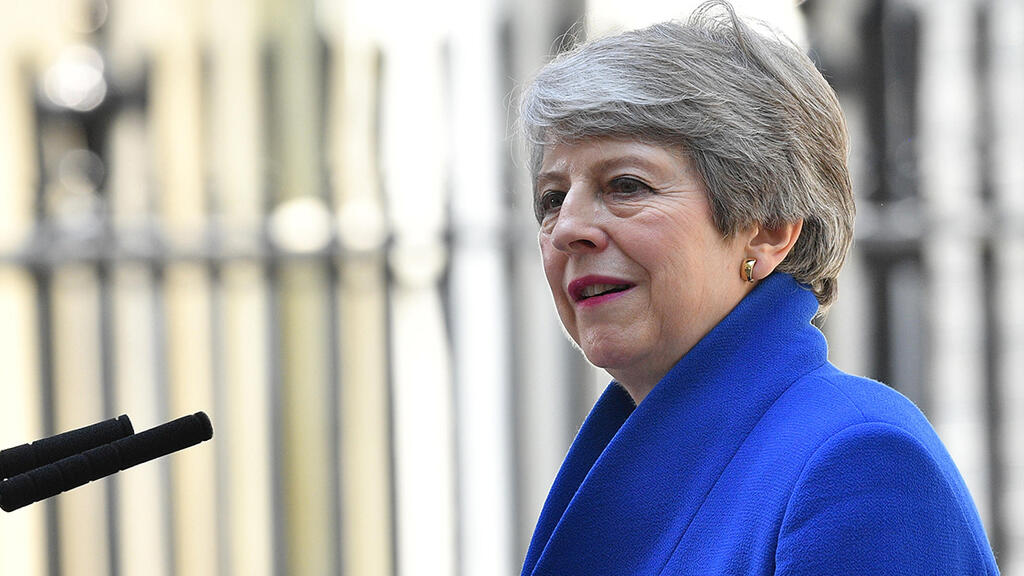
Theresa May
(Photo: Gettyimages)
But she did not have a stable majority in Parliament for the agreement she brought back. In 2017, she called an early election in an attempt to strengthen her hand, and got the opposite result: The Conservatives lost their outright majority and had to rely on support from Northern Ireland’s DUP. Her Brexit deal was defeated again and again in the House of Commons, and eventually she announced her resignation.
Boris Johnson: ‘Got Brexit done,’ then got into trouble
Boris Johnson, one of the leading figures in the Brexit camp, was elected Conservative leader in 2019 after May and became prime minister. He went into a general election that year with a simple slogan: “Get Brexit Done.” He won big, secured a large parliamentary majority and led Britain to formally leave the EU on January 31, 2020.
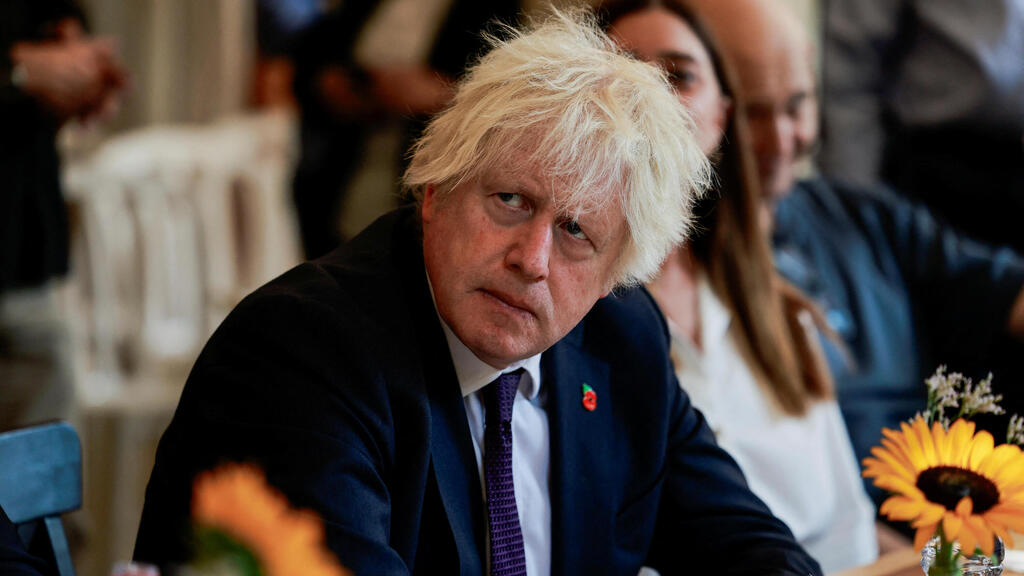
Boris Johnson
(Photo: REUTERS/Ammar Awad)
But that political success did not last. The coronavirus pandemic, the “Partygate” scandal over gatherings at 10 Downing Street during lockdowns and other affairs eroded trust in him. Eventually, a revolt by ministers and lawmakers in his own party forced him to resign.
Liz Truss: 49 days in 10 Downing Street
After Johnson came Liz Truss, in one of the shortest and most dramatic premierships in British history. She entered 10 Downing Street in September 2022, presented an economic plan that included sweeping unfunded tax cuts, and the markets panicked: The pound plunged, bond yields soared and the central bank was forced to intervene.
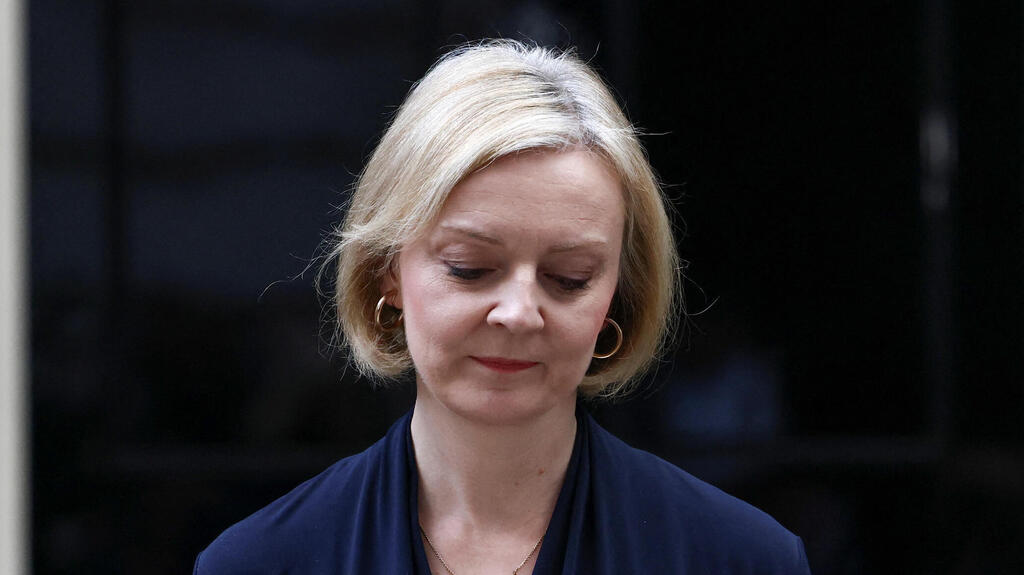
Liz Truss
(Photo: Reuters)
After just 49 days, she announced her resignation. Truss became a symbol of the political and economic instability that took root in Britain after Brexit.
Rishi Sunak: An attempt to stabilize, and defeat at the ballot box
Rishi Sunak was chosen to replace Truss in an attempt to calm the markets and the Conservative Party. He presented himself as the responsible adult, tried to restore economic confidence and govern after the chaotic years of Johnson and Truss.
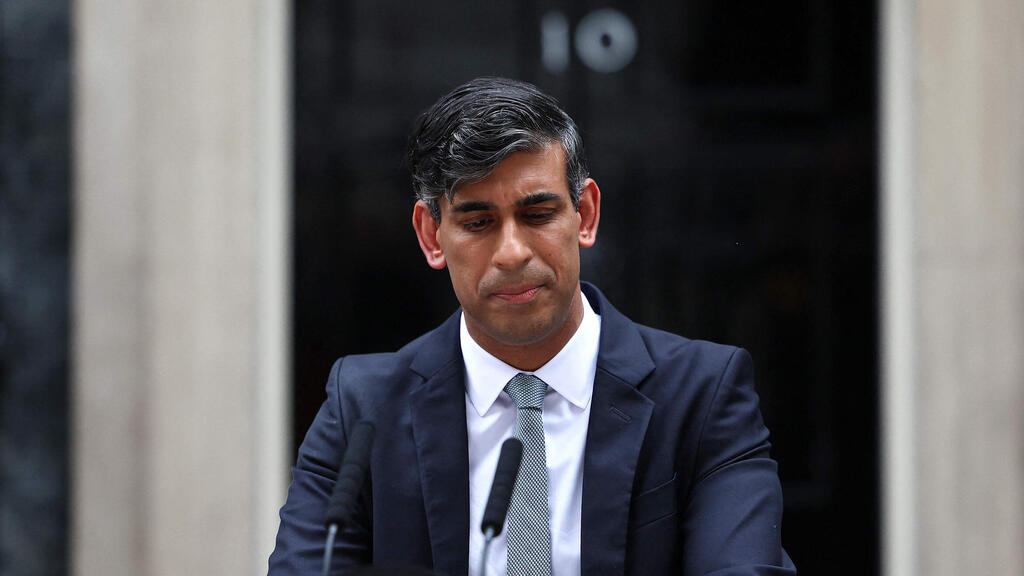
Rishi Sunak
(Photo: HENRY NICHOLLS / AFP)
But the Conservatives were already worn down after 14 years in power. The cost of living, the crisis in the health service, pressure on the immigration system and public fatigue with the party led to defeat in the 2024 election. Labour returned to power with a large majority, and Starmer entered 10 Downing Street.
Keir Starmer: Promised stability, leaving after less than two years
Starmer came to power as the complete opposite of Johnson and Truss: a serious, statesmanlike and cautious lawyer, a leader who promised to restore stability, responsibility and political calm to Britain. He also presented himself as the man who transformed Labour after the Jeremy Corbyn years, and in his resignation speech today, he boasted that his party had “rooted out the poison of antisemitism.”
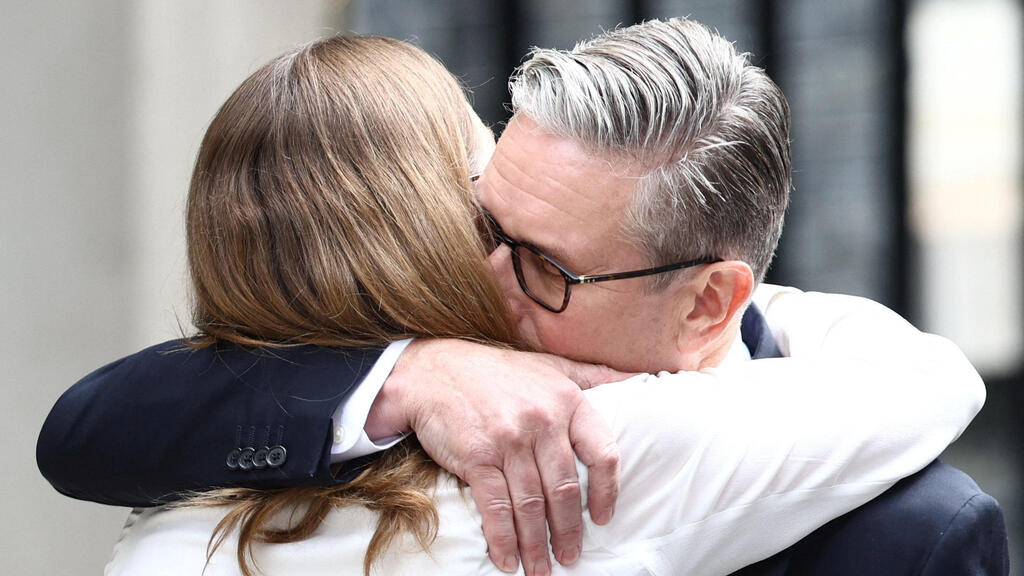
Keir Starmer
(Photo: REUTERS/Toby Shepheard)
But the major victory over the Conservatives was not enough. In less than two years, internal pressure in the party grew as lawmakers feared Labour was losing public support and the government was struggling to produce visible change, against the backdrop of the surge in polls by the populist right-wing Reform UK party led by Nigel Farage, which has made the fight against illegal immigration its flagship issue.
Starmer acknowledged in his speech that the question now was not whether he had been the right person to change Labour and return it to power, but whether he was the right person to lead it into the next election. He said his parliamentary party had given its answer, and that he accepted it in good spirit as he resigned as Labour leader.
What happens now?
Labour will open a process to elect a new leader. Starmer said nominations will open July 9, with the aim of completing the process before Parliament returns from its summer recess in September. Until then, he will remain prime minister and try to ensure an orderly transfer of power.
The leading candidate to replace him is Andy Burnham, the mayor of Greater Manchester, who returned to Parliament and is considered one of Labour’s most popular politicians. If he is elected, he is expected to be appointed Britain’s next prime minister without a general election, as long as Labour continues to control the House of Commons.
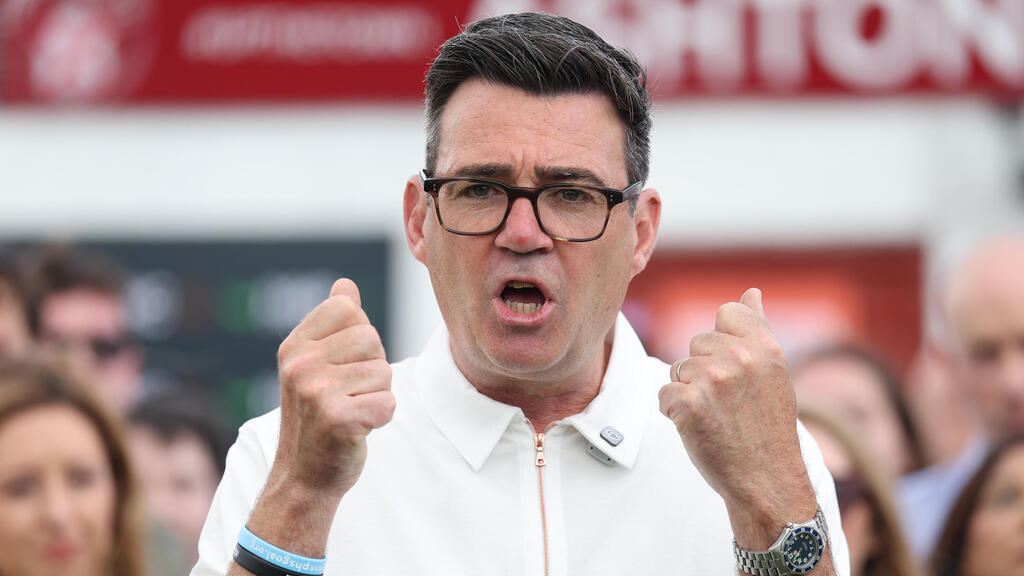
Andy Burnham
(Photo: Ryan Jenkinson/Getty Images)
Why did Brexit shake the system so deeply?
Brexit exposed and broke apart old coalitions inside both major parties. Among the Conservatives, it deepened the rift between supporters of a hard break from the EU and the more moderate camp. In Labour, it created years of confusion between urban, young and pro-European voters and traditional working-class strongholds that supported Brexit.
In addition, leaving the EU did not end the debate, but opened a series of new questions: What should trade relations with Europe look like? What should be done about the sensitive border between Northern Ireland and Ireland? How should Britain balance sovereignty with the need for market access? And did Brexit really improve Britain’s position?
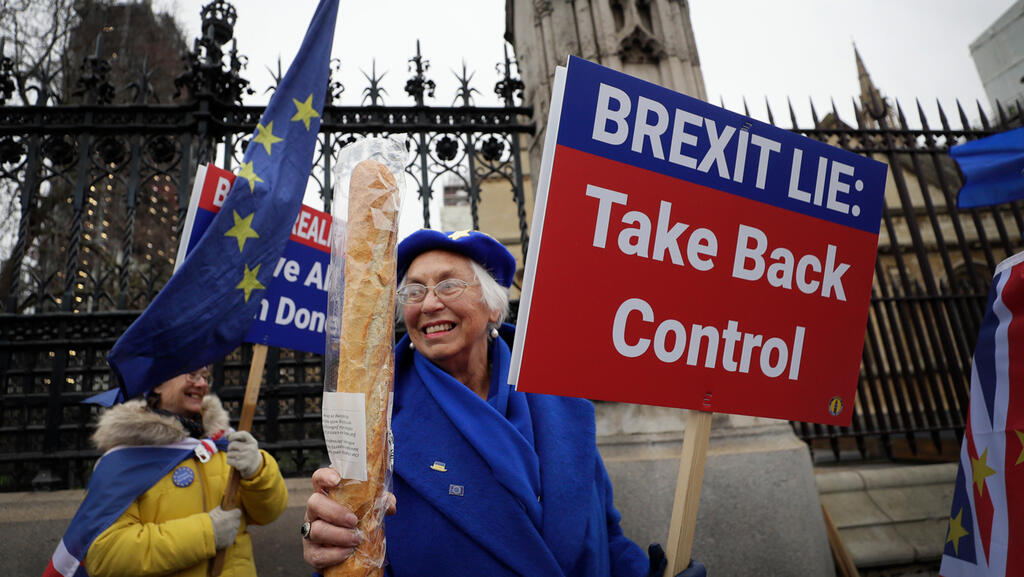
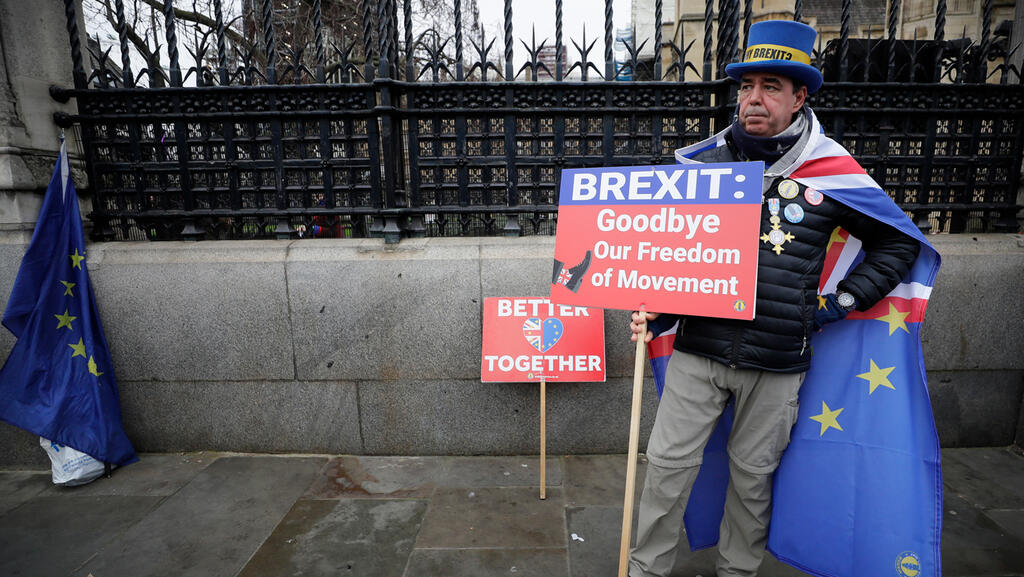
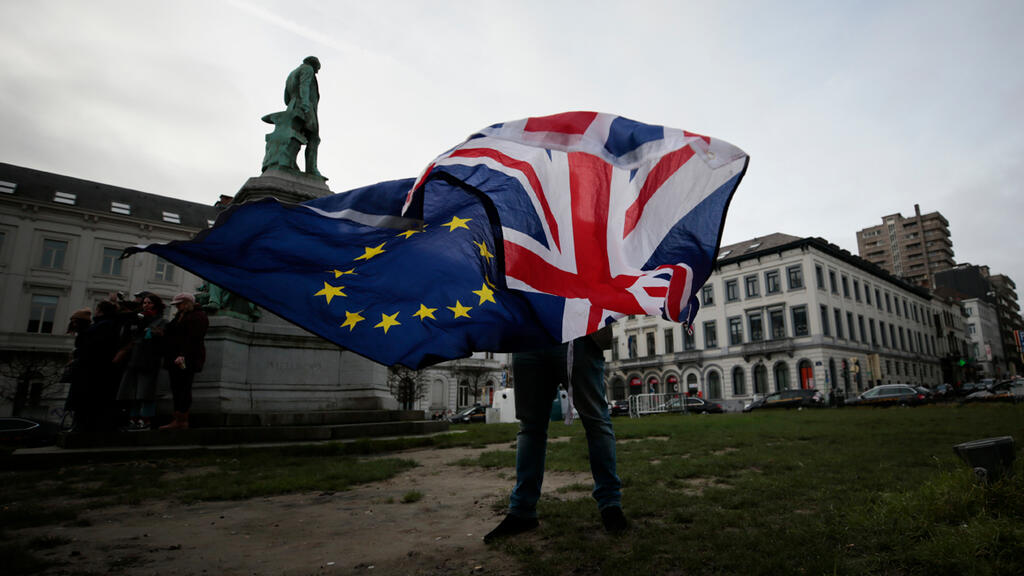
Anti-Brexit protest in 2020; a decade of political loss of control
(Photo: AP)
(Photo: AP)
(Photo: AP)
At the same time, Britain had to contend with COVID-19, inflation, an energy crisis, strikes, pressure on the health system and the rise of populist parties. All of that made the promise of “stability after Brexit” almost impossible to fulfill.
So the country that voted in 2016 to “take back control” found itself in a decade of near-constant political loss of control. And if Starmer’s successor enters 10 Downing Street before September, Britain will have its seventh prime minister in a decade, without the public having to go to the polls this year either.