

The Russian newspaper Izvestia reported Thursday that Moscow is preparing to send crude oil and fuel to Cuba in the coming days, as the island nation faces a severe energy crisis following the ouster of Venezuelan President Nicolás Maduro, whose government had supplied most of Cuba’s oil for years.
Cuba has long struggled with fuel shortages, frequently leading to widespread power outages that in recent years have sparked rare protests against the communist government. The shortages have worsened significantly since December, when the United States imposed an oil blockade on Venezuela, and even more so since January, when U.S. forces carried out a military operation in Caracas, captured Maduro and effectively took control of Venezuela’s government. Washington said it would oversee Venezuelan oil exports until a democratic and fair government is established there.
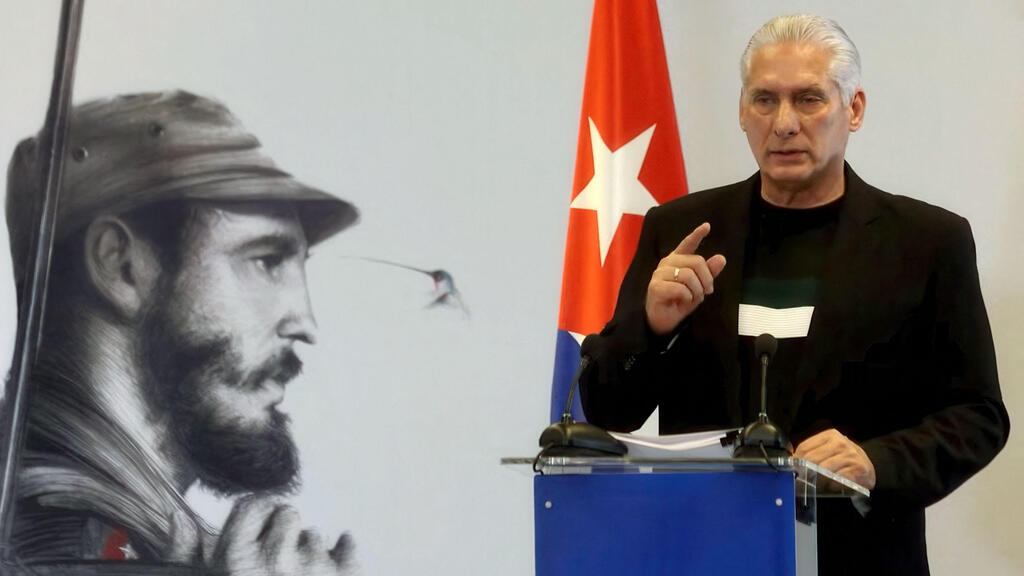
Cuban President Miguel Díaz-Canel
(Photo: Handout / CUBA TV / AFP)
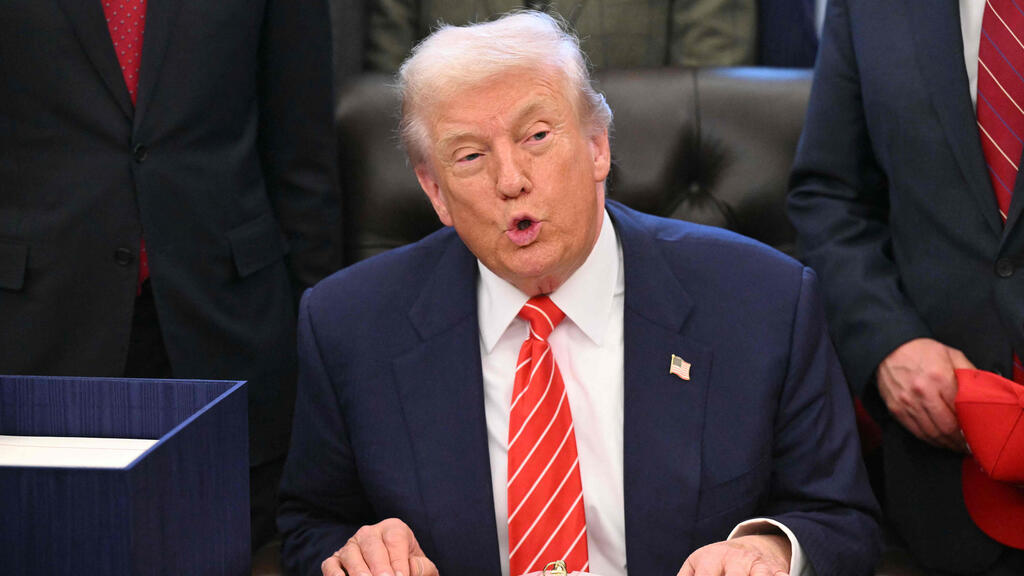
US President Donald Trump
(Photo: SAUL LOEB / AFP)
Within hours of Maduro’s capture, President Donald Trump said the U.S. takeover in Venezuela could lead to the fall of Cuba’s government, which has relied for years on Venezuelan oil, partly in exchange for security forces Havana sent to help protect Maduro.
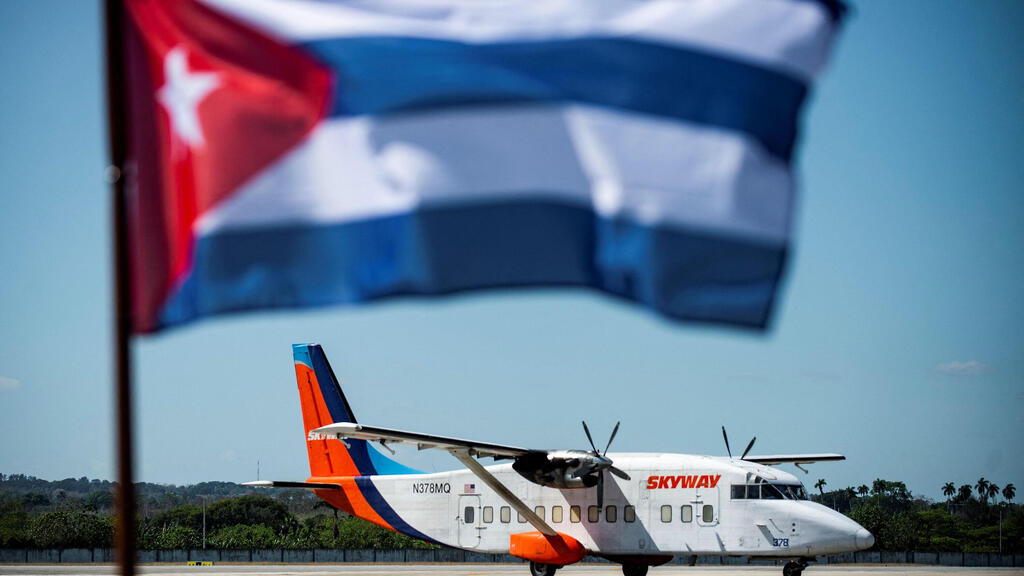
Even when Venezuelan oil flowed freely, it was insufficient to prevent prolonged blackouts. Now that shipments have stopped entirely, conditions have deteriorated sharply. Havana has declared emergency measures, including a four-day workweek for state-owned companies. This week, Cuba informed international airlines that it no longer has jet fuel to supply them and advised carriers to take that into account if planning flights to the island — a sign of the rapid worsening of the crisis.
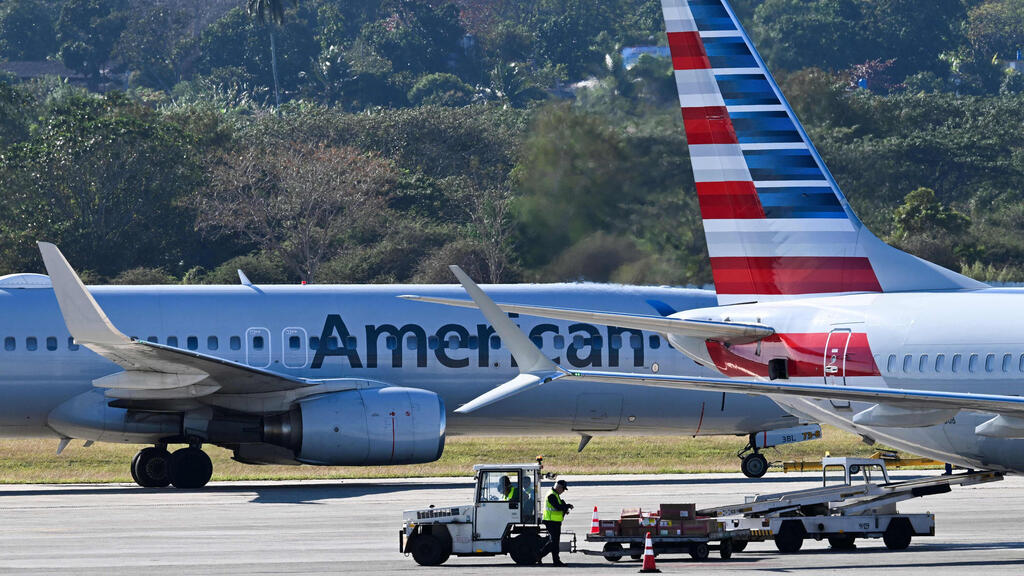
An American Airlines plane in Havana
(Photo: YAMIL LAGE / AFP)
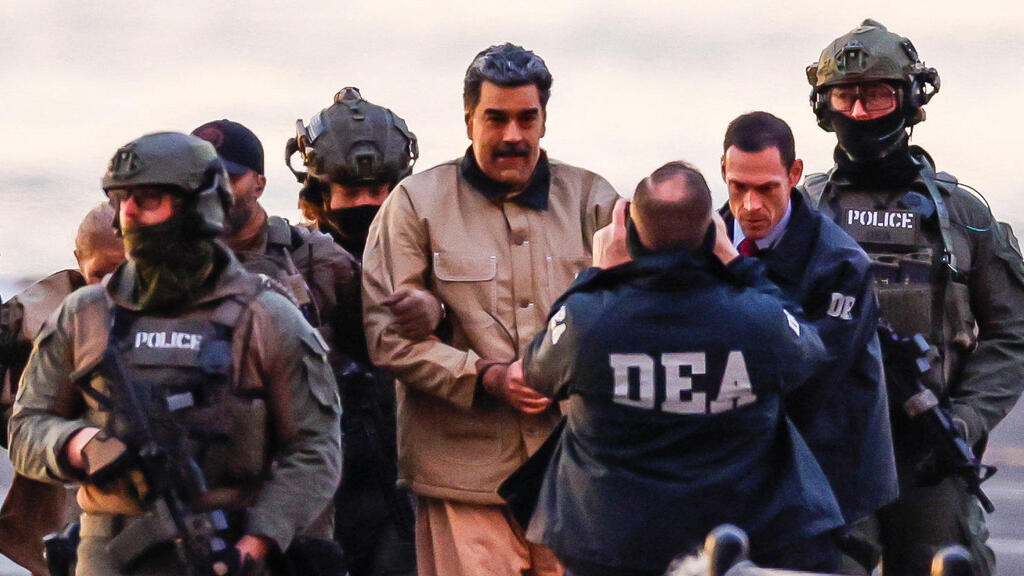
Ousted Venezuelan President Maduro in US custody
(Photo: REUTERS/Eduardo Munoz)
Following Cuba’s announcement, Russia said Wednesday it plans to evacuate all Russian tourists from the island in the coming days and then suspend flights until the fuel shortage eases. Earlier this week, Canadian airlines also announced flight suspensions after Havana warned that its jet fuel supplies were running out.
Spain’s Air Europa said its flights to Cuba would stop for refueling in Santo Domingo, Dominican Republic, because of the shortage. U.S. carriers American Airlines and Delta Air Lines, which operate short-haul routes to Cuba from nearby Florida, said they would continue flying, adding that the fuel shortage is not expected to affect their operations.
Izvestia cited sources at the Russian Embassy in Havana as saying Russia is preparing to ship fuel to Cuba for the first time since February 2025, when it delivered 100,000 tons of fuel. Asked whether Moscow intends to assist its historic ally, Kremlin spokesman Dmitry Peskov declined to respond directly, saying only, “We remain in close contact with our Cuban friends and are discussing ways to provide them assistance.”
When asked about the possibility that Washington could impose tariffs on Russian goods in retaliation if Moscow aids Cuba, Peskov said: “We would not like any escalation, but at the same time we do not have much trade with the United States at the moment. Most likely, we will try to resolve existing issues through dialogue.”
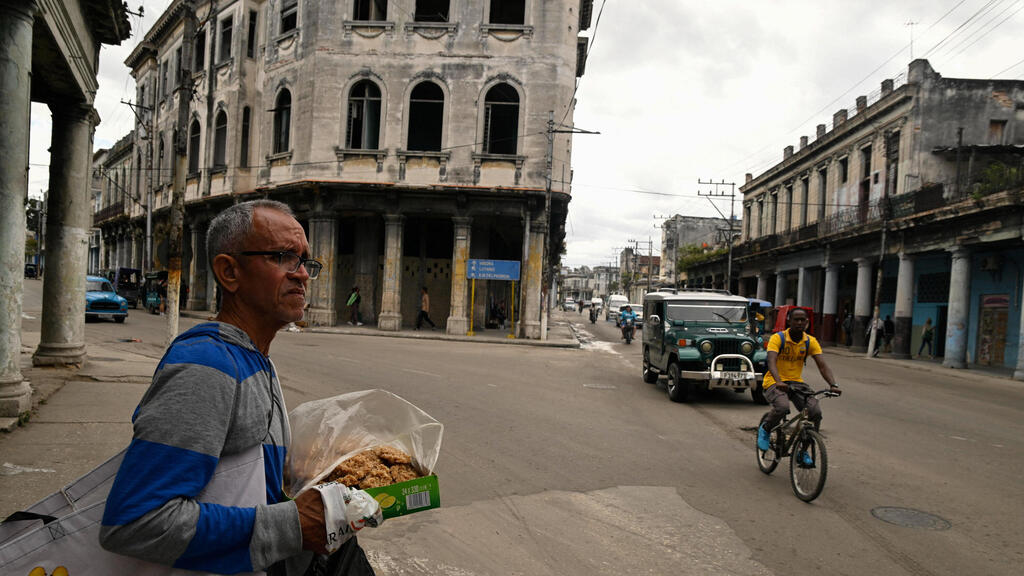
On the streets of Havana, where residents endure long daily power outages
(Photo: REUTERS/Norlys Perez)
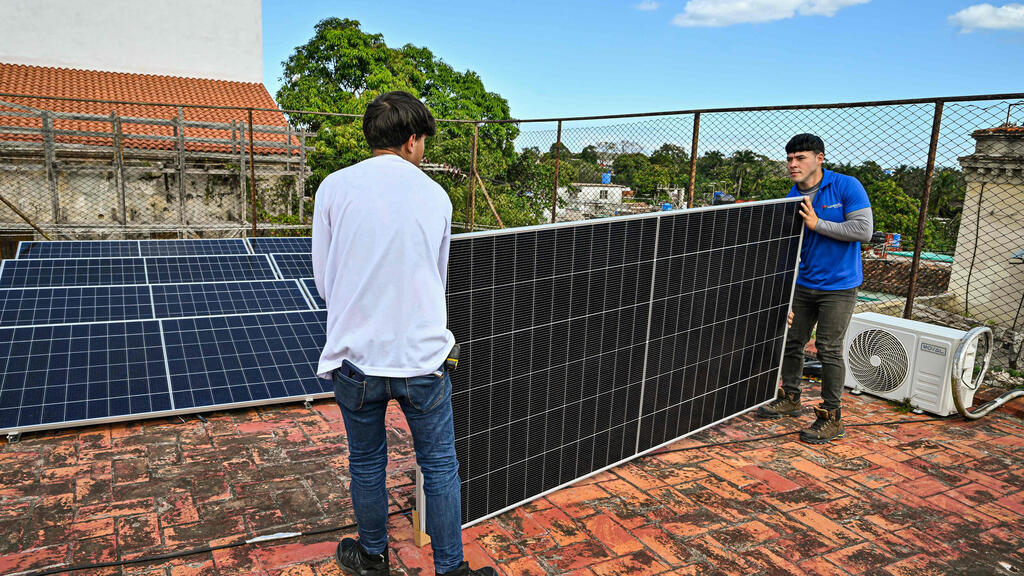
Installing solar panels in the Cuban capital
(Photo: ADALBERTO ROQUE / AFP)
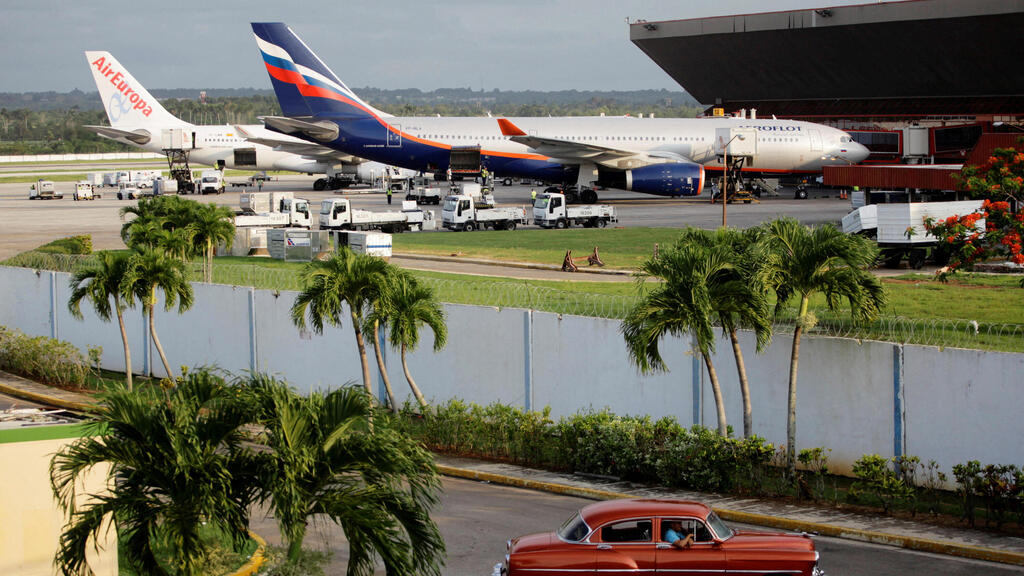
A Russian Aeroflot plane at Havana airport, with an Air Europa aircraft behind it
(Photo: Boylan/File Photo/File Photo)
After the military operation in Venezuela, the Trump administration designated Cuba an “unusual and extraordinary threat” to U.S. national security and announced that, in addition to cutting off Venezuelan oil supplies, it would impose tariffs on other oil suppliers, including Mexico, if they attempt to help fill Cuba’s shortfall.
Cuba and Russia have maintained close ties since the Soviet era and have strengthened relations further since Russia’s 2022 invasion of Ukraine. Moscow has recently acknowledged that Cuba’s fuel situation is critical and accused the United States of attempting to strangle the island’s economy. The Kremlin has also vowed to oppose any form of military intervention and expressed solidarity with both Cuba and Venezuela.