

Iran’s Revolutionary Guard announced Wednesday that Tehran would not allow the import or export of goods through the Persian Gulf, the nearby Gulf of Oman and the Red Sea unless the United States lifts the blockade it imposed earlier this week around the Strait of Hormuz.
Ali Abdollahi, commander of Iran’s Khatam al-Anbiya emergency headquarters, said the measures would be “firm and decisive” steps to protect Iran’s national interests and sovereignty.
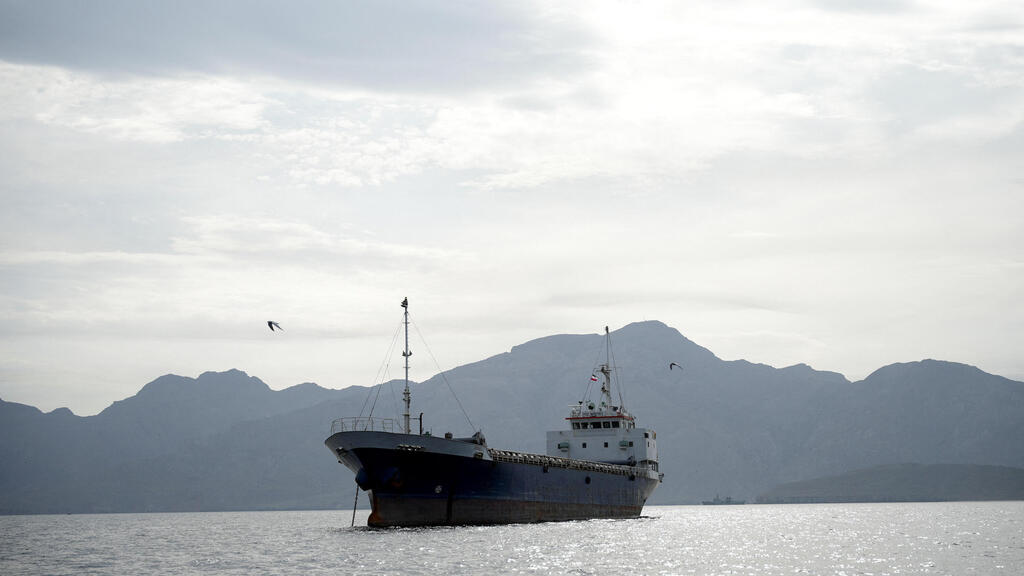
Iran does not border the Red Sea, and the threat to disrupt shipping there appeared to signal that Tehran could seek to reactivate Yemen’s Houthi rebels, its regional allies, to attack maritime traffic. Since Hamas’ Oct. 7, 2023, attack on Israel and the war that followed, the Houthis have attacked merchant ships and oil tankers they said were linked to Israel. The campaign sharply raised insurance costs and forced some shipping companies to reroute vessels along longer, more expensive paths, driving up the cost of goods. A return to that pattern could further jolt global commodity markets.
Iran’s threat came amid progress in mediation efforts aimed at extending the ceasefire between the United States and Iran, which is due to expire on April 22, two weeks after it took effect. Regional officials told the AP that mediators were seeking to extend the truce by at least another two weeks to give diplomacy more time, and that both sides had given “in principle” approval to an extension.
One official involved in the mediation effort told the AP that negotiators were trying to bridge differences on the three main disputes between Washington and Tehran: Iran’s nuclear program, the Strait of Hormuz and Tehran’s demand for compensation for damage caused during the war.

Donlad Trump
(Photo: AP Photo/Alex Brandon)
As preparations continued for another round of talks that could begin as soon as Thursday, U.S. President Donald Trump told Fox News that he believed the war with Iran could end very soon. Trump also said he had sent a letter to Chinese President Xi Jinping asking China not to provide weapons to Tehran, and said Xi responded that China was not supplying such weapons. Trump did not say when the exchange took place. His remarks came after he threatened last week to impose 50% tariffs on any country that supplies arms to Iran.
Iran, meanwhile, insisted that the U.S. maritime blockade around Hormuz was failing. The semiofficial Fars news agency reported Wednesday that a second Iranian vessel had passed through the strait, which it said disproved U.S. claims of a total blockade of Iranian ports. Earlier Wednesday, Fars reported that a giant tanker under U.S. sanctions entered Iranian territorial waters “without any concealment and with its location transponder turned on” before crossing the strait.
The United States has said the blockade is being enforced. The U.S. military said six merchant ships had already turned around in compliance with the naval operation, which began Monday and is aimed at preventing maritime traffic from entering or leaving Iran through the Gulf and Gulf of Oman.
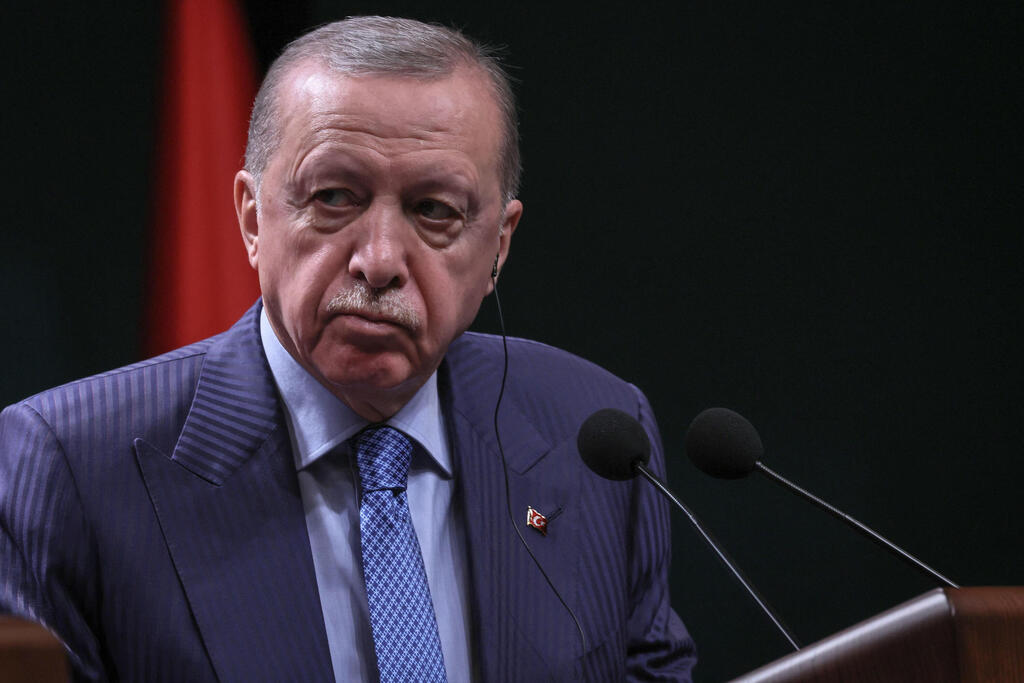
Recep Tayyip Erdogan
(Photo: Adem ALTAN / AFP)
Turkish President Recep Tayyip Erdogan said Wednesday that Ankara was also working to extend the ceasefire between the United States and Iran and to reduce tensions. He accused Israel’s strikes in Lebanon of harming hopes for peace and said the government in Jerusalem was trying to undermine every chance for a ceasefire as soon as it emerged.
“If peace and stability are to be achieved in our region, it will be despite the Zionist regime,” Erdogan said in a speech to parliament. He added that Israel’s government, which he described as firmly opposed to a ceasefire, must not be allowed to derail the process. Erdogan also praised Spanish Prime Minister Pedro Sánchez for what he called his firm stance against threats from Prime Minister Benjamin Netanyahu.
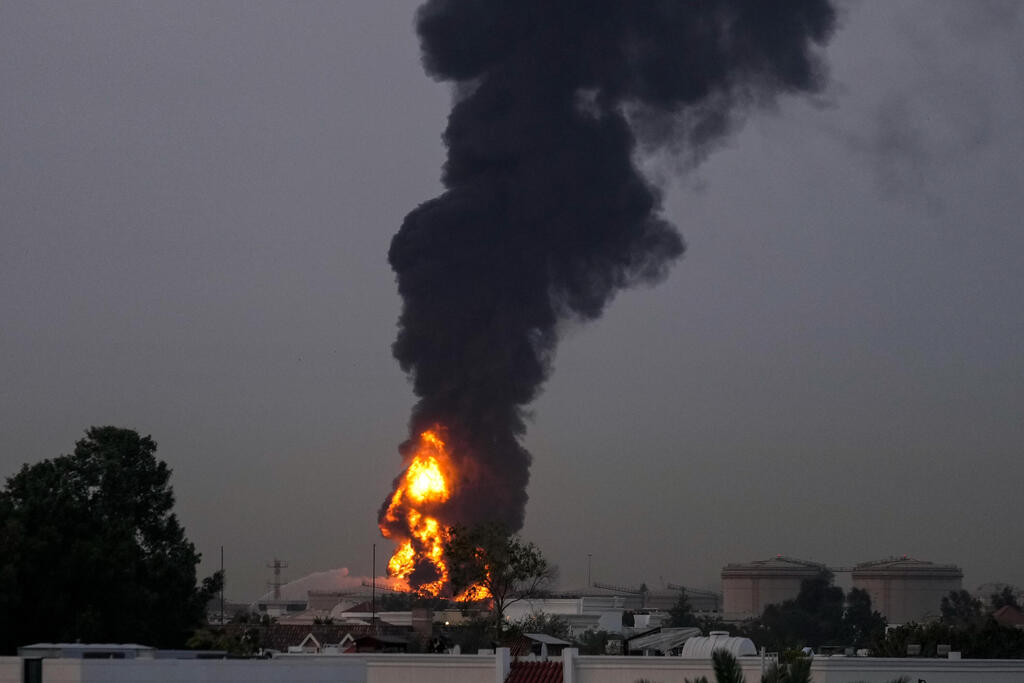
Iranian attack on an airport in Dubai
(Photo: AP Photo)
In a significant diplomatic development, a phone call took place Wednesday between Sheikh Mansour bin Zayed Al Nahyan, vice president of the United Arab Emirates, and Iranian parliament speaker Mohammad Bagher Ghalibaf. It was described as the first official contact between the two countries since the start of the war. The UAE’s state news agency said the two men discussed regional developments and ways to reduce tensions.
The conversation came despite anger in the Emirates over Iranian attacks during the war. According to the report, Iran launched hundreds of missiles and drones toward the UAE during the fighting, causing destruction, deaths and widespread fear. Tehran cast the attacks on the Emirates and other Gulf Arab states as retaliation against countries it said had allowed the United States to launch strikes from their territory. During the war, the UAE recalled its ambassador from Tehran.