


A federal appeals court in New York reinstated last week a $655.5 million judgment against the Palestine Liberation Organization and the Palestinian Authority in a long-running lawsuit brought by American victims of attacks during the Second Intifada, reviving one of the most significant U.S. civil terrorism awards tied to violence in Israel.
The ruling follows a U.S. Supreme Court decision in June 2025 that cleared the way for American courts to hear such claims against the Palestinian entities.
Gallery
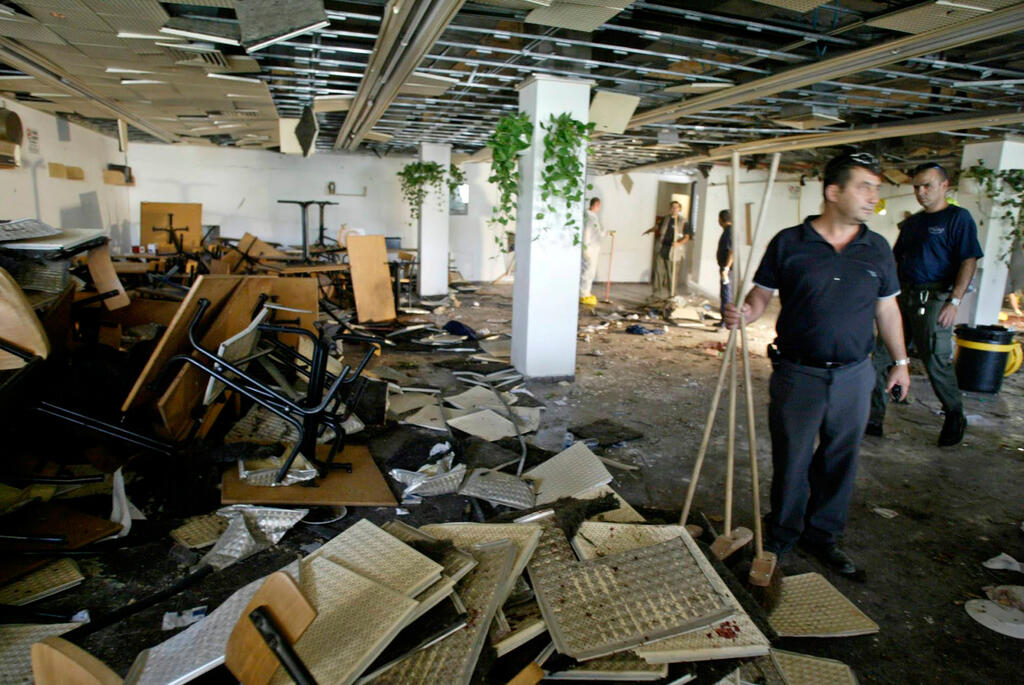
The scene of the bombing at the Hebrew University cafeteria in Jerusalem on July 31, 2002
(צילום: AP)
The case was originally filed in 2004 by 10 families of victims who were killed or wounded in attacks in Jerusalem during the early 2000s uprising. In 2015, a federal jury found the PLO and the Palestinian Authority liable and awarded damages that totaled $655.5 million under the Anti-Terrorism Act. But the 2nd U.S. Circuit Court of Appeals later threw out that verdict, saying U.S. courts lacked personal jurisdiction over the defendants.
That changed after the Supreme Court upheld the Promoting Security and Justice for Victims of Terrorism Act, a 2019 law aimed at allowing Americans harmed in overseas attacks to sue the PLO and the Palestinian Authority in U.S. courts under certain conditions.
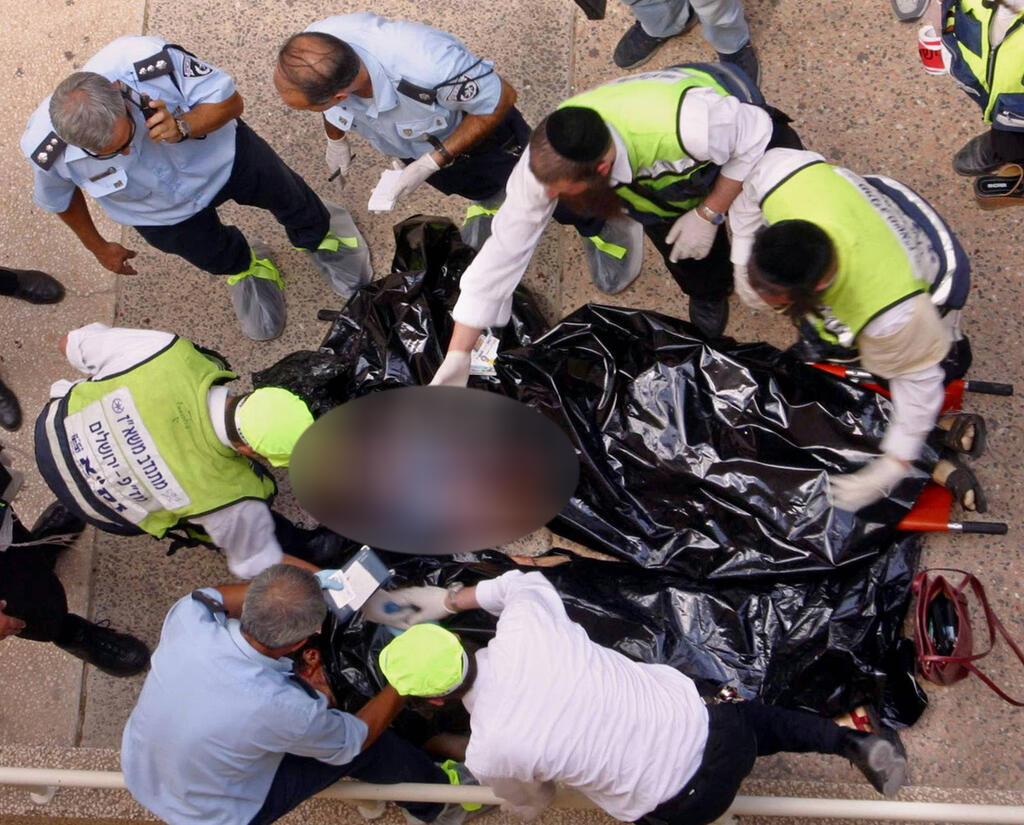
The scene of the bombing at the Hebrew University cafeteria in Jerusalem on July 31, 2002
(Photo: AP)
The issue centered in part on the Palestinian Authority’s so-called “pay for slay” policy — payments to imprisoned terrorists and their families, including in cases involving attacks on Americans — which the court said could help establish the necessary U.S. jurisdictional link.
In its new decision, the appeals court said the original judgment should be restored, concluding that reinstatement was the proper course after the Supreme Court’s ruling. The court said that outcome was consistent with the “plain import” of the high court’s decision. According to the appellate opinion, the panel reversed its earlier dismissal and allowed the 2015 judgment to stand rather than forcing the plaintiffs to retry the case.
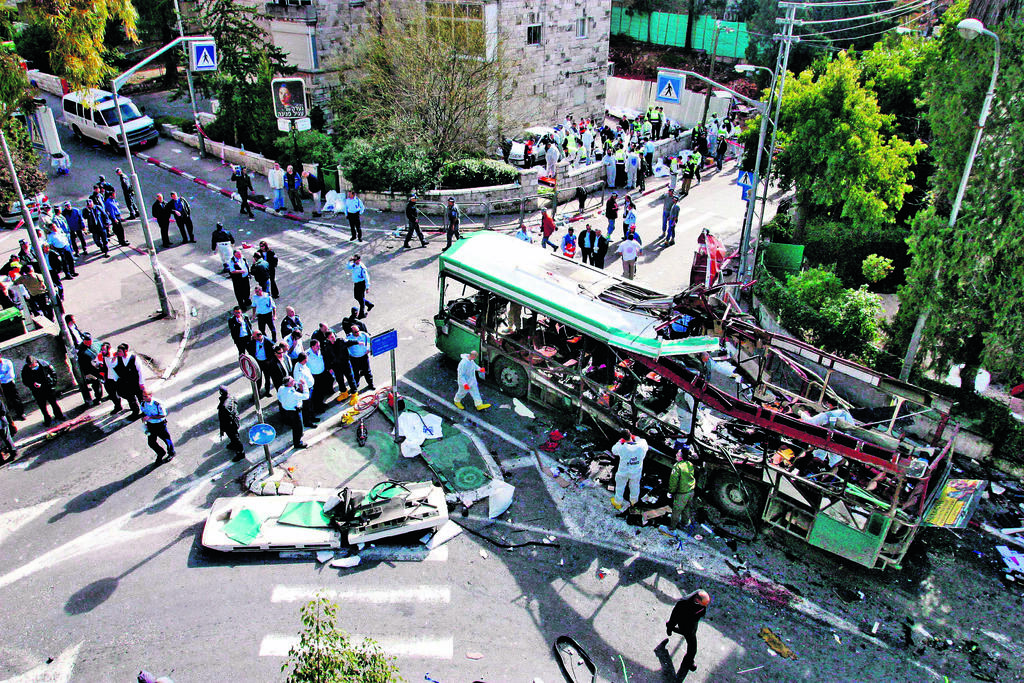
The remains of Egged bus No. 19 after a suicide bombing in Jerusalem’s Rehavia neighborhood on Jan. 29, 2004, that killed 11 people and wounded 44
(Photo: Dan Balilti)
The plaintiffs include relatives of Americans killed in the 2002 bombing at a cafeteria at the Hebrew University of Jerusalem, the family of a man killed in the 2003 bus No. 19 bombing in Jerusalem, and several Americans wounded in attacks on Jaffa Road in Jerusalem. The broader case involved a series of attacks in the early 2000s that killed 33 people and wounded hundreds.
The legal fight has stretched across more than two decades and became a test of how far Congress can go in opening U.S. courts to international terrorism claims. The victims and their lawyers, Nitsana Darshan-Leitner and Kent Yalowitz, spent years pursuing appeals and legislative changes in Congress after the original verdict was overturned.
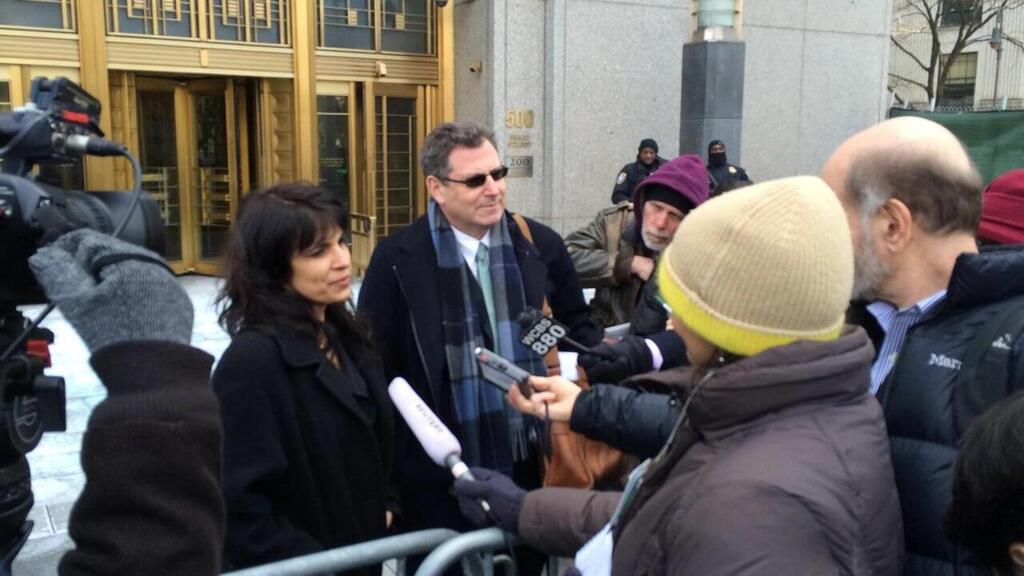
Attorneys Nitsana Darshan-Leitner, left, and Kent Yalowitz outside federal court in New York after a jury verdict in Sokolow v. Palestine Liberation Organization and the Palestinian Authority in 2015
(Photo: Courtesy)
Darshan-Leitner said the ruling marked what she called a historic turning point in the fight against terrorism. "Not only does it restore the ability of American victims of terrorism to obtain compensation after years of struggle, it also changes the rules of the game: from now on, U.S. courts will be able to hear cases that previously could not even be brought before them," she said. "This is a day of great victory in our determined fight to cut off the financial lifelines of terrorist organizations.”
One of the plaintiffs, Dr. Alan Bauer, an American biologist who was seriously wounded in a 2002 Jerusalem attack, said the road to justice had been far longer and more difficult than he imagined. “I never imagined that the road to justice would be so long and winding. But we refused to give up," he said.
"We promised ourselves we would see this case through to the very end. We were determined to hold accountable those who carried out acts of terror against us and to finally make them answer for their guilt and their crimes. Today, we have achieved a precedent-setting victory.”