


Two weeks into Operation Rising Lion, fewer ballistic missiles were launched toward Israel over the past day. The IDF attributes the decline to ongoing Israeli Air Force strikes across Iran targeting missile arrays, production facilities and the regime’s broader weapons supply chain. However, the military stressed that the current drop does not guarantee that launches will not increase again.
The army is meanwhile investigating the impact early Friday in the Arab town of Zarzir near Nazareth, where about 60 people were wounded. According to a preliminary inquiry, what struck the town was the missile’s warhead.
Footage from the moment of the impact in Zarzir


An interceptor was launched at the Iranian missile, but it broke apart before the interception, causing the warhead to fall and explode in the community. Senior IDF officials are also discussing with Chief of Staff Lt. Gen. Eyal Zamir the possibility of changing Home Front Command guidelines. A proposal has been presented that would introduce differential easing of restrictions in certain areas, while others would remain under the current rules. The plan will not be brought for approval before Saturday night, pending another security assessment.
Israeli strikes in Iran continue in full coordination with the United States. So far, more than 10,000 munitions have been dropped. The IDF says its two main objectives are preserving aerial freedom of operation and damaging Iran’s surface to surface missile capabilities. In addition, attacks on regime infrastructure such as Basij headquarters and facilities linked to members of the Islamic Revolutionary Guard Corps are included among the war aims.
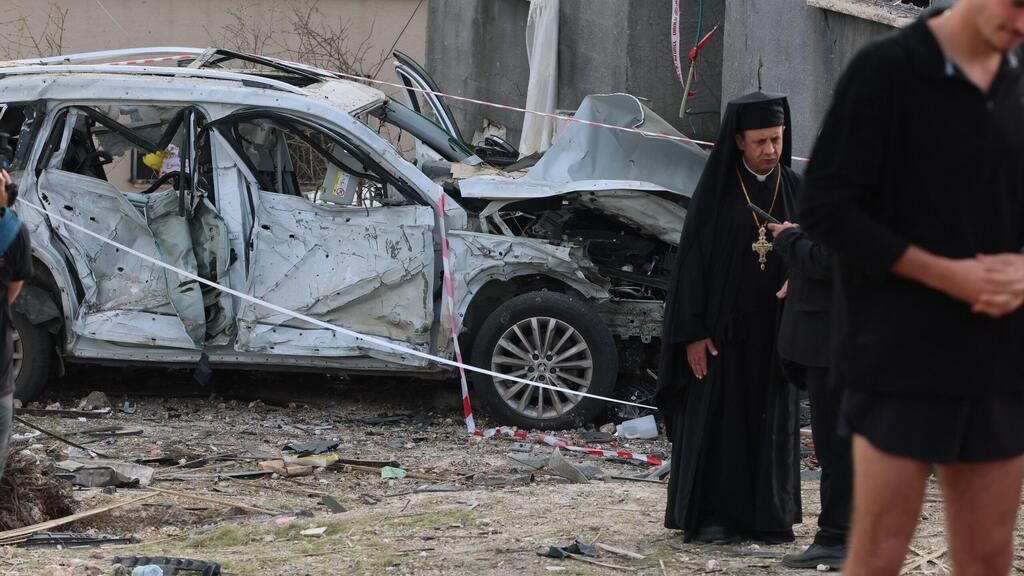
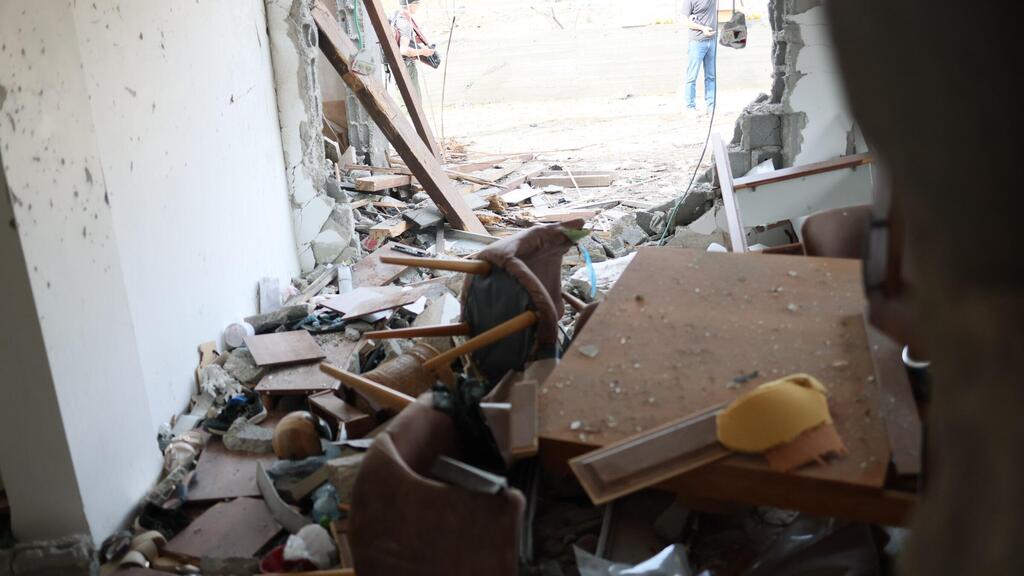
Scene of the impact in Zarzir
(Photo: Omri Stein)
In recent days, significant strikes have also targeted senior regime officials. Regarding Iran’s nuclear program, the IDF says it has struck dozens of nuclear related targets, including individuals and senior figures involved in the program.
Israeli defense officials say major gaps have emerged between Iranian units and commands. Iranian forces are reportedly struggling to manage the campaign while operating from vehicles or tents. According to the IDF spokesperson, the military has carried out about 7,600 strikes in Iran so far. Of those, more than 2,000 targeted regime headquarters and assets, and about 4,700 targeted Iran’s missile program.
Footage from IDF strikes in Iran and Lebanon
(Footage: IDF)
Zamir has instructed the military to prepare for a prolonged campaign. The operational plan still includes another major group of targets across additional regions in Iran.
On the Lebanese front, Northern Command has been reinforced with forces from the Golani Brigade. By the middle of next week, additional reinforcements from the Nahal Brigade, the Paratroopers Brigade and engineering battalions are expected to join them. Reserve forces will be mobilized to replace the regular units being moved to the northern sector. The IDF says it plans to deepen its control of various areas to provide better protection for northern residents.
The Israeli Air Force is carrying out strikes in Beirut and southern Lebanon. So far, the IDF says it has conducted more than 1,100 strikes in Lebanon, including about 190 against Hezbollah’s Radwan force. More than 380 Hezbollah terrorists have been killed.
Shortly before the start of the Sabbath, IDF spokesman Brig. Gen. Effie Defrin addressed the public. 'Home Front Command is considering the possibility of easing and adjusting the guidelines in several areas across the country. At this stage there is no change,' he said. 'We must not become complacent, especially over the weekend. Despite the damage to the firing capabilities of the Iranian regime and Hezbollah over time, the threat still exists. Any missile or fragment poses a danger to your safety. We saw proof of that just last night in Zarzir.'
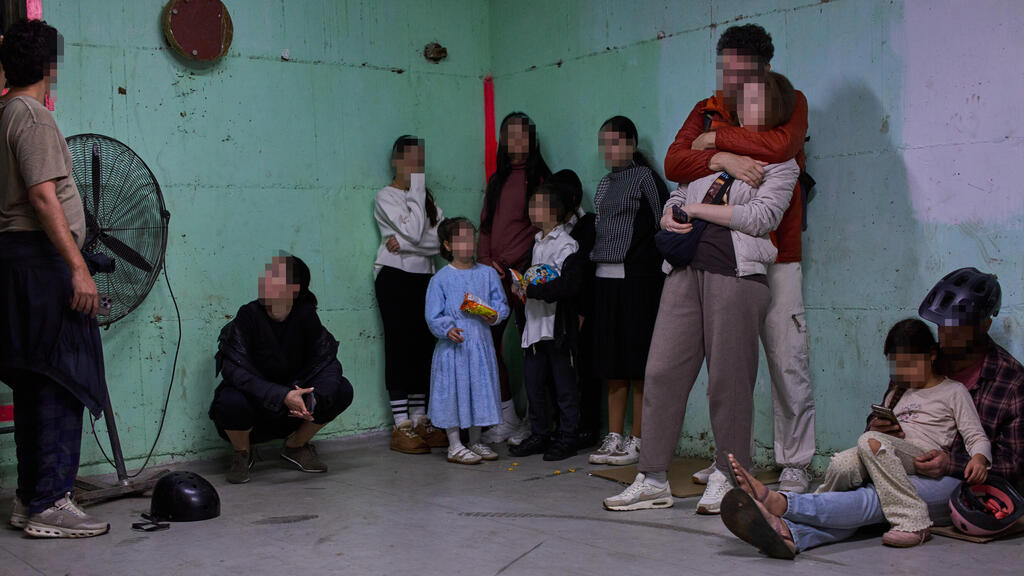
A shelter in Tel Aviv during a siren amid the days of Operation Rising Lion
(Photo: AP Photo / Oded Balilty)
Defrin also said the IDF struck overnight an asset belonging to the intelligence branch of Khatam al-Anbiya, the regime’s emergency command headquarters. 'This body is responsible for consolidating information collected by Iranian intelligence agencies and presenting it to the regime’s security leadership. We struck the facility while several senior intelligence officials were present. At this stage we are assessing the results of the strike.' He added that Israel also struck a central base of Iran’s air defense systems, regime command centers, and facilities used for producing and storing ballistic missiles intended for launch toward Israel. 'Overnight we also struck the al-Zrariyeh bridge over the Litani River. The bridge was used by Hezbollah terrorists moving from northern Lebanon to southern Lebanon and preparing for combat against IDF forces.' 'This strike is also a message to the Lebanese state. We will strike any infrastructure used by Hezbollah on Lebanese territory to harm the State of Israel.'