

Iraq’s Justice Ministry briefly listed Hezbollah and Yemen’s Houthis as terrorist organizations this month before reversing course, a move that triggered political uproar in Baghdad and rare expressions of concern from the groups themselves, according to regional media reports.
The original decision — announced Nov. 17 through state media — added the Lebanon-based Hezbollah and the Houthis in Yemen to a roster of 24 designated terrorist organizations. The order included freezing assets inside Iraq and imposing sanctions on the groups and individuals linked to them. The designation was widely described in Iraq as “unprecedented.”
Gallery
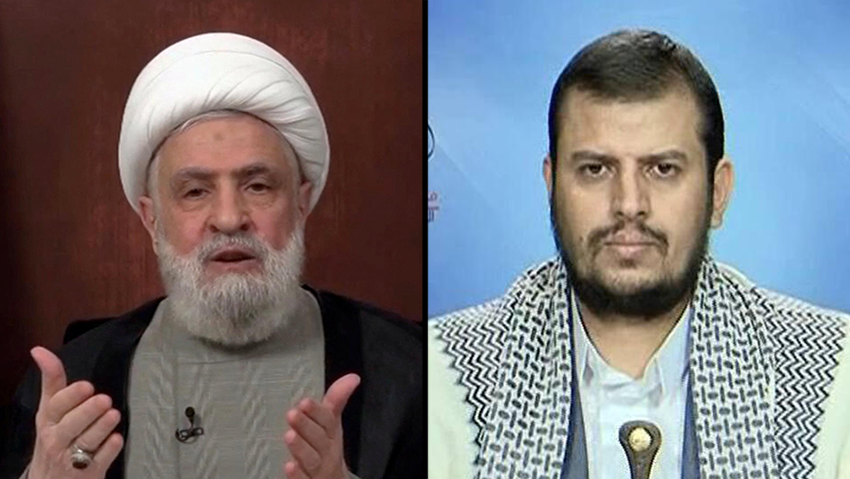
Hezbollah Secretary-General Naim Qassem, Houthi leader Abdul Malik al-Houthi
(Photo: Al Manar TV/Reuters)
But on Thursday, the Iraqi government issued an update saying the list was “not current,” would be corrected and would remove groups not affiliated with ISIS or al-Qaeda. Analysts said the reversal followed pressure from political factions within the governing coalition, which includes powerful Iran-backed militias aligned with Hezbollah and the Houthis.
Saudi outlet Al Hadath reported that after the list was published, “a Hezbollah commander contacted Baghdad to verify the mistake and demand accountability.” Sources told the outlet the group was “troubled” by the development.
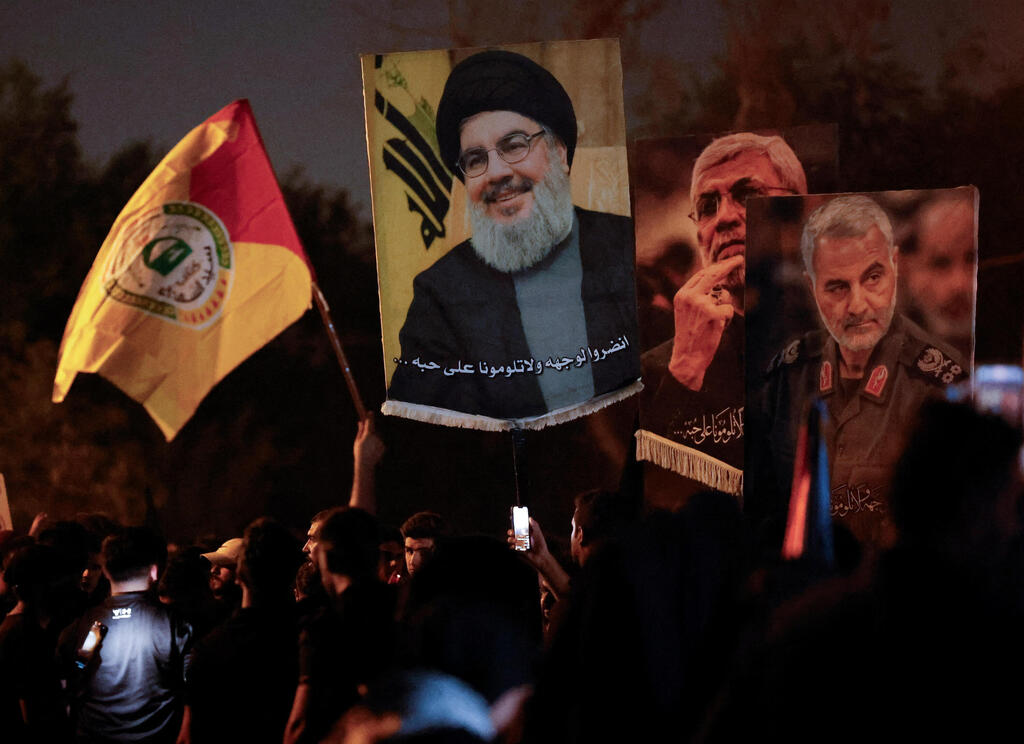
Anti-Israel protests in Iran following the assassination of Hezbolla leader Hassan Nasrallah, last year
(Photo: REUTERS/Thaier al-Sudani)
The militias, part of the wider Iran-backed Shiite axis, reacted angrily. Iraqi commentary described a public split, with critics saying the designation contradicted the sentiments of many Iraqis who view Hezbollah and the Houthis as “resistance movements” against Israel.
Iraqi politician Mustafa Sanad wrote on X that “Iraq, sadly, classifies the Houthis and Hezbollah as terrorist organizations and recommends Trump for the Nobel Peace Prize. Shame on you,” referring to recent praise by U.S. President Donald Trump, who this week applauded Iraq and claimed it had “changed dramatically since the destruction of Iran’s nuclear capabilities.”
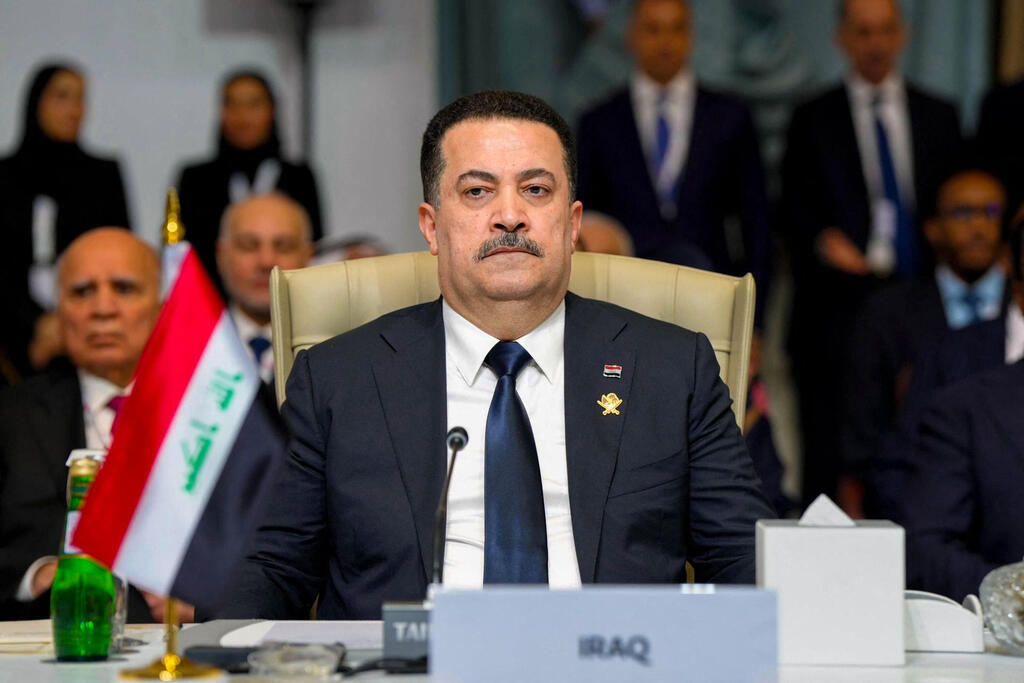
Iraqi Prime Minister Mohammed Shia al-Sudani
(Photo: AFP PHOTO / IRAQI PRIME MINISTER'S PRESS OFFICE / HANDOUT)
The episode comes as Iraq faces intense U.S. pressure to disarm Iran-backed militias. Prime Minister Mohammed Shia al-Sudani has spent years trying to balance ties with Washington while keeping the militias calm as they await implementation of the planned drawdown of the U.S.-led coalition established to fight ISIS.
The Iraqi News Agency reported Sunday that al-Sudani met in Baghdad with U.S. envoy Thomas Barrack, and the two discussed “ways Iraq can continue to support stability, security, prosperity and Syria’s economic recovery.” The discussion reportedly touched on preventing further regional escalation and supporting diplomatic efforts to resolve conflicts.
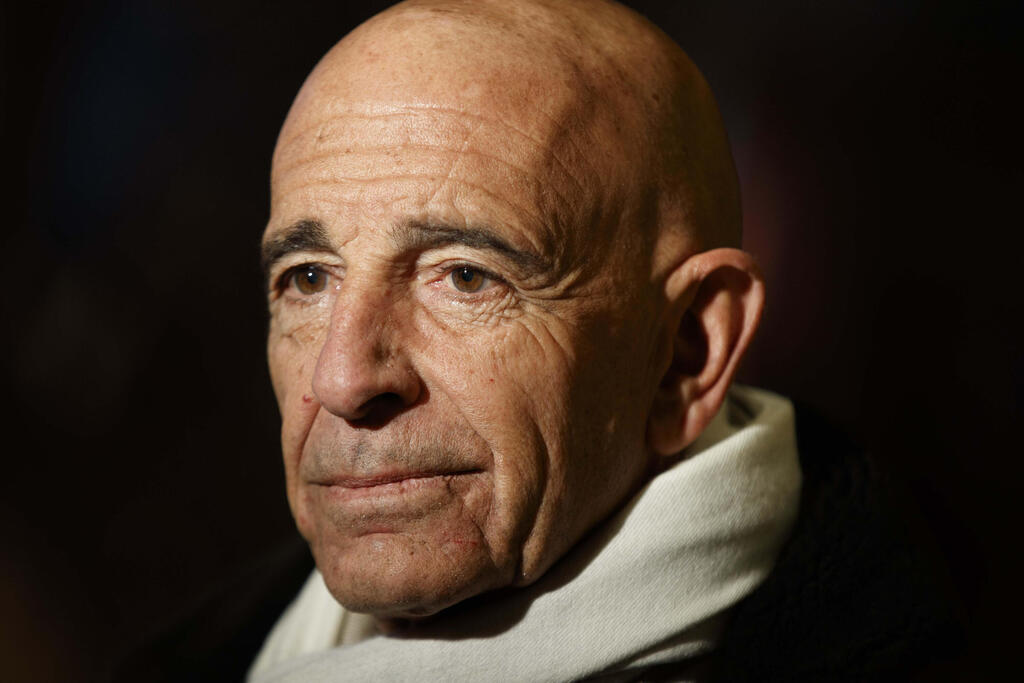
US envoy Thomas Barrack
(Photo: AP)
Reports that emerged Monday offered differing accounts. Qatar’s The New Arab said the talks focused on Syria, Lebanon and Iraq’s pro-Iran militias. A government adviser told the outlet that Barrack urged Baghdad “to rein in the militias and halt anything that could support Hezbollah in Lebanon,” stressing Iraq must remain neutral amid any regional escalation.
Saudi-owned Al-Hadath cited sources claiming the U.S. envoy conveyed a warning to Iraq of “imminent Israeli action” against Hezbollah in Lebanon and said Israel would continue operations until the group is disarmed. According to that report, Barrack also warned of a harsh Israeli response if Iraqi militias assist Hezbollah.
But Al Mayadeen, a Lebanese network aligned with the Iran-backed axis, reported the meeting focused mainly on Syria and denied Barrack had issued threats related to Hezbollah. Political sources told the outlet that claims of U.S. warnings, including talk of Israeli military action if Iraqi factions intervene, were false.