

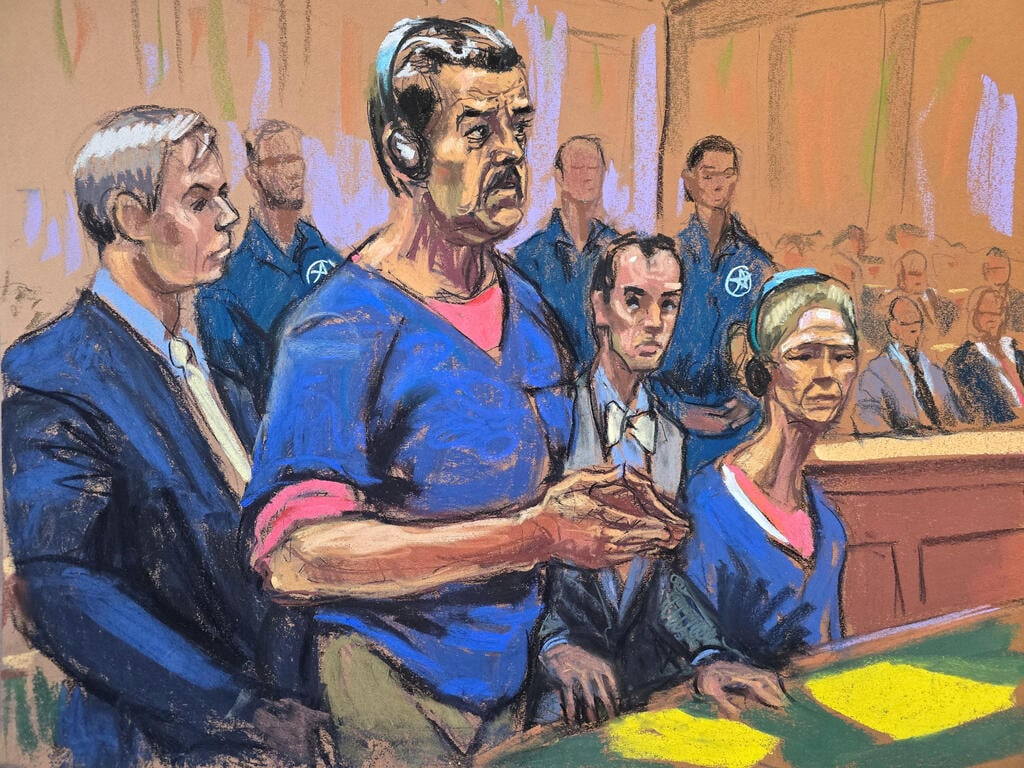
Ousted Venezuelan President Nicolás Maduro appeared in a New York courtroom for the first time Monday night, days after he was captured in a dramatic U.S. military operation. Brought into the courtroom in shackles, Maduro identified himself in Spanish, declaring: “I am the President of the Republic of Venezuela. I was kidnapped. I am innocent.”
Hours later, gunfire was reported near the presidential palace in Caracas. Witnesses said unidentified drones were spotted in the area, prompting security forces to open fire. A government-affiliated source said the situation was under control, and no further incidents were reported overnight.
Ousted Venezuelan President Nicolás Maduro brought into court in New York


The gunfire came three days after the U.S. special forces raid that captured Maduro and his wife. The Daily Mail reported that footage shared online showed a stealth RQ-170 Sentinel drone landing at a base in Puerto Rico following the January 3 operation. At least one such drone reportedly took part in the mission.
While the U.S. Air Force has operated RQ-170 drones for nearly two decades, it only acknowledged their existence in 2009, after their use in Afghanistan. During the Venezuela operation, the drone reportedly flew over Caracas, gathering intelligence from Venezuelan airspace.
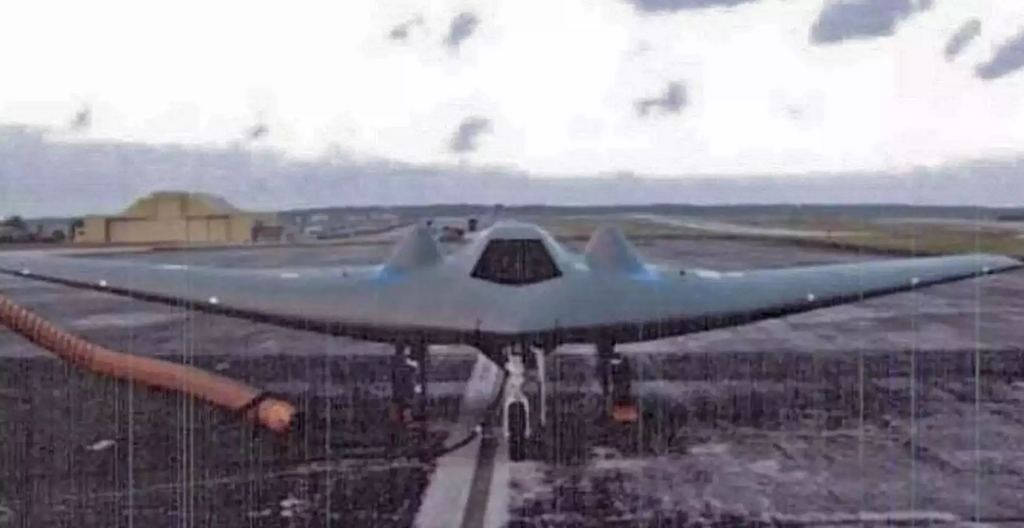
The only official image of a stealth RQ-170 Sentinel drone
According to officials quoted by The New York Times, the CIA had been secretly deploying stealth drones over Venezuela for months to track Maduro’s movements and build a detailed picture of his daily routine in preparation for the operation. Military analysts said the RQ-170’s main contribution was long-term covert surveillance of Maduro’s residence, comparing it to the weeks of quiet intelligence gathering that preceded the 2011 raid on Osama bin Laden.
According to The War Zone, there are an estimated 20 to 30 RQ-170 drones currently in active service. These drones are believed to be equipped with advanced sensors for mapping and tracking moving targets, infrared cameras for night imaging and sophisticated intelligence systems for intercepting enemy communications.
Explosions echo throughout Caracas, Venezuela as US helicopters fly over
(Video: Reuters)
In addition to these drones, more than 150 aircraft took part in the operation, launching from several bases in the region. To capture Maduro and secure an open air corridor, over 150 fighter jets, including F-35s and F-22s, disabled Venezuela’s air defense systems, alongside bombers. They were supported by F/A-18 Super Hornets, B-1B Lancer bombers, E-2 Hawkeye early-warning aircraft and EA-18 Growler electronic warfare planes.
All of these aircraft operated under the near-total darkness that blanketed Caracas, which military experts believe was the result of theuse of a “blackout bomb.” The BLU-114/B is a specialized munition that disperses into tiny canisters the size of soda cans after being dropped from a fighter jet. Each canister is equipped with a parachute to slow its descent and releases carbon fiber strands resembling confetti, which can cause short circuits in electrical equipment such as transformers.
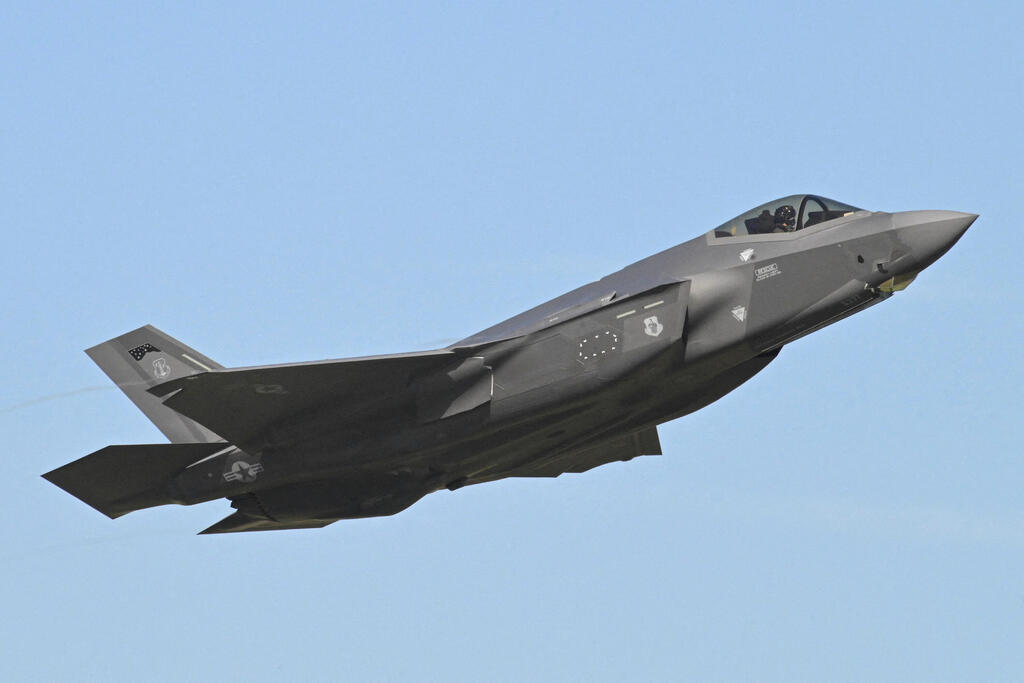
F-35
(Photo: REUTERS/Jana Rodenbusch/File Photo)
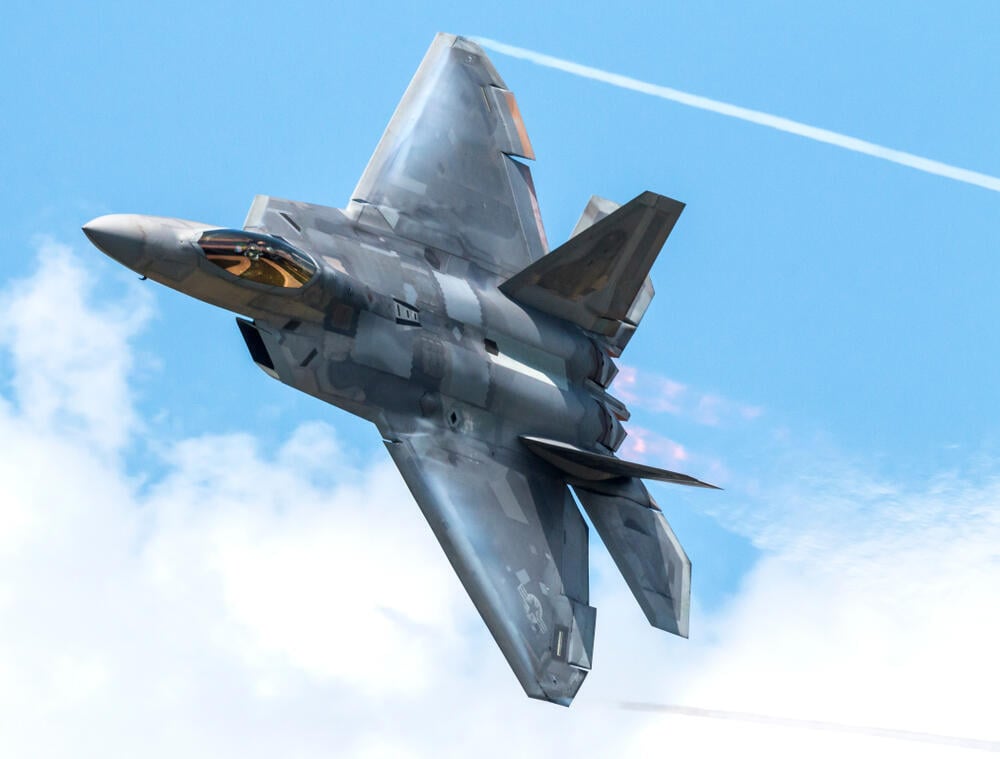
F-22
(Photo: BlueBarronPhoto/Shutterstock)
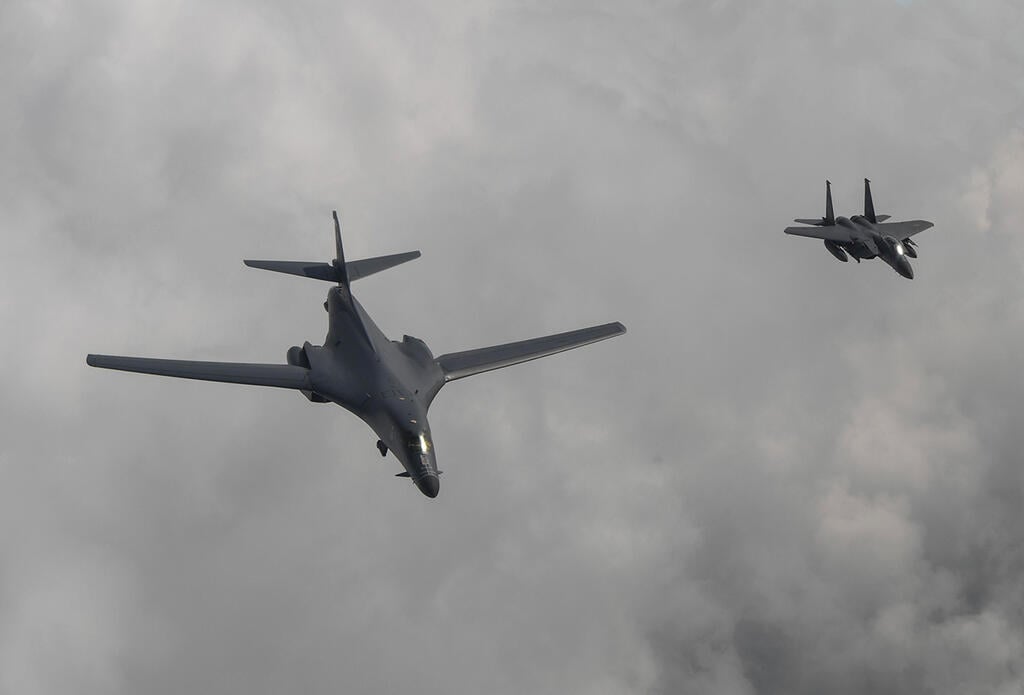
B-1B Lancer bombers
(Photo: AP)
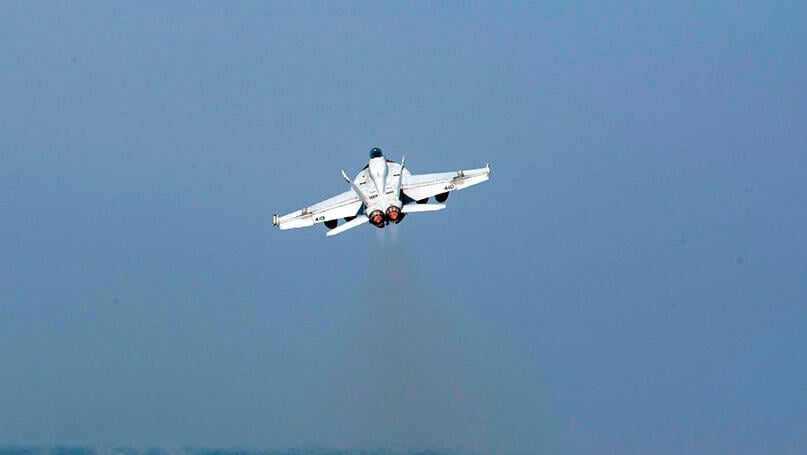
F/A-18 Super Hornet
(Photo: AFP / US NAVY)
The use of the “blackout bomb” is controversial: while it can darken an entire city without damaging infrastructure, it may also cut power to nearby hospitals. In the spring of 2003, during the early hours of the U.S.-led invasion of Baghdad, witnesses reported the lights going out moments before the offensive began.
Estimates also suggest that U.S. cyber warfare units played a central role in the assault, contributing to the total blackout in the target zone at the start of the raid, including in and around Fort Tiuna, the largest military complex in Caracas.
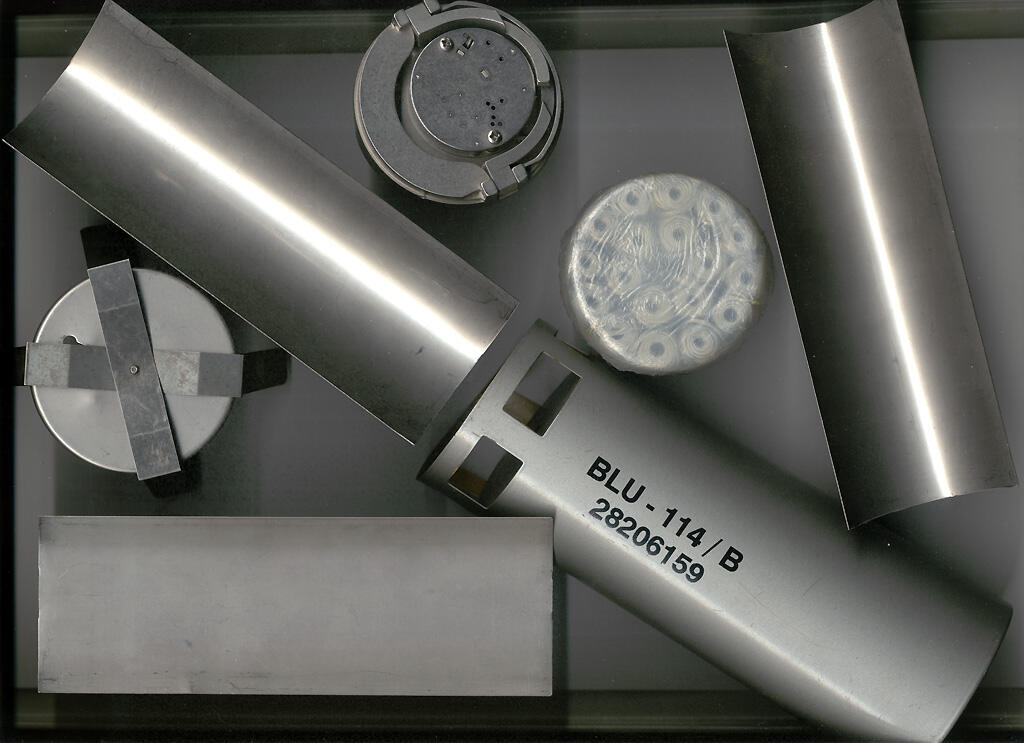
BLU-114/B 'blackout bomb'
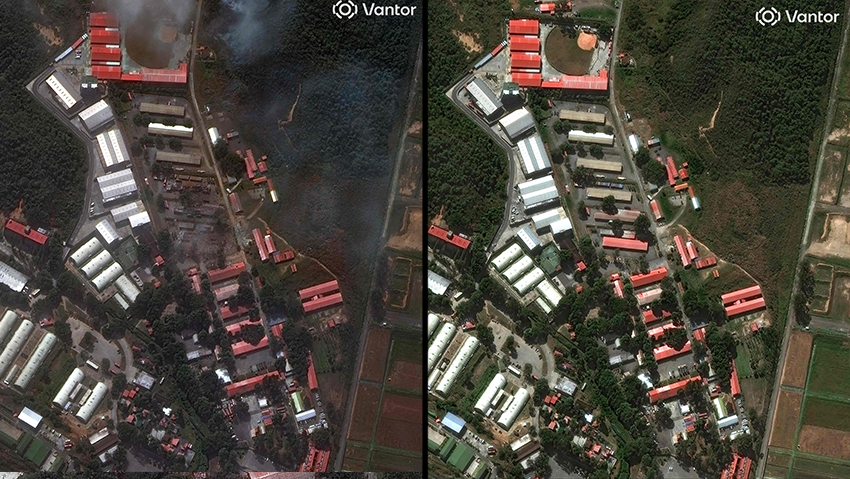
Surveillance footage of Fort Tiuna
(Photo: AFP PHOTO/ SATELLITE IMAGE ©2025 VANTOR)
Following the operation, Chairman of the Joint Chiefs Gen. Dan Caine said: “As the force began to approach Caracas, it started dismantling and disabling Venezuela’s air defense systems, using tools designed to ensure a safe corridor for helicopters to reach the target zone.”
President Trump also hinted that U.S. cyber forces were responsible for the blackout, saying: “It was dark—the lights in Caracas were mostly out thanks to some expertise we have. It was dark—and it was deadly.”