

U.S. officials feared Israel might try to assassinate two of Iran’s most senior negotiators while Washington was engaged in sensitive talks with Tehran this spring on an interim peace deal, The New York Times reported, citing current and former American officials.
According to the report, concerns in Washington centered on Iranian Foreign Minister Abbas Araghchi and Mohammad Bagher Ghalibaf, the speaker of Iran’s parliament, both of whom played central roles in contacts aimed at securing a ceasefire and later a broader arrangement with the United States.
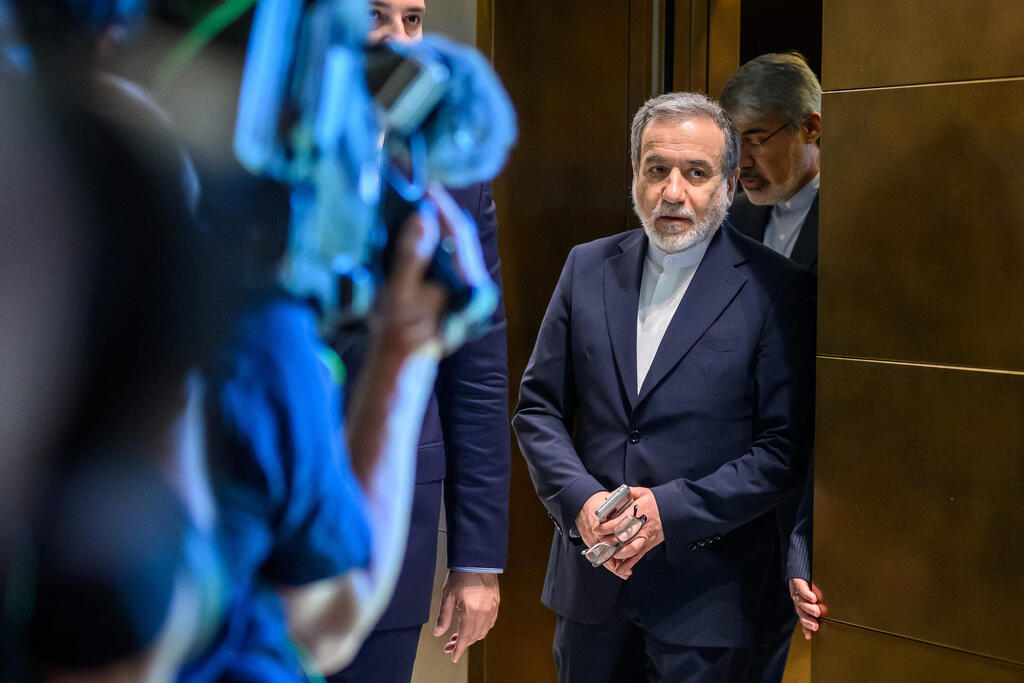
While the killing of senior Iranian leaders had been part of Israel’s military strategy from the beginning of the war, American concern over the possible targeting of Araghchi and Ghalibaf intensified after serious negotiations began in April, the report said. U.S. officials feared that any Israeli attempt to kill the two men would destroy the talks and trigger a renewed round of fighting.
The New York Times reported that the United States was so concerned about a possible Israeli move that it asked other countries in the region to warn Iran that the two officials could be targeted.
American officials acknowledged that during the height of the war, Araghchi and Ghalibaf, as senior Iranian government figures, could have been considered legitimate targets by Israel. But once negotiations began in earnest, they believed killing them would likely end the diplomatic process.
The war began on February 28 with an Israeli strike that killed Iran’s supreme leader, Ayatollah Ali Khamenei, and other senior officials, based in part on U.S. intelligence, according to the report. While U.S. strikes focused mainly on Iran’s navy and missile forces, Israel concentrated in the early phase of the war on eliminating senior Iranian leaders.
That strategy included the killing of Iranian figures the Trump administration had hoped might be useful in negotiations, including Ali Larijani, Iran’s top national security official, and Kamal Kharazi, a former foreign minister. Both were involved in contacts with the United States when they were killed in Israeli airstrikes, the report said.
The reported U.S. concern over Araghchi and Ghalibaf highlights how quickly Washington and Jerusalem’s aims in the war began to diverge. At the start of the campaign, the two allies were closely aligned, but the United States later moved toward a peace deal while Israel remained deeply skeptical of ending the war without regime change in Tehran.
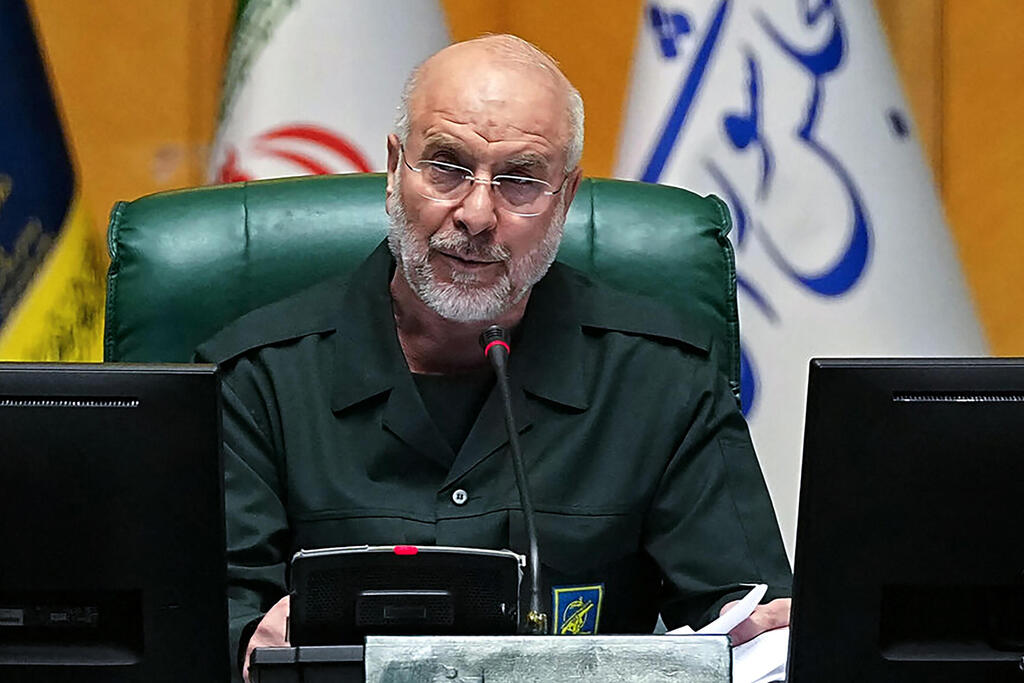
Mohammad Bagher Ghalibaf
(Photo: HO /ISLAMIC CONSULTATIVE ASSEMBLY (ICANA))
Israel gave only grudging support to the initial two-week ceasefire reached in April, according to the report, while many in Israel feared Washington was moving too quickly to stop the fighting. Rather than collapsing, Iran’s theocratic regime became more hard-line after the fighting began, and Iran’s Revolutionary Guard Corps further consolidated its control over the country.
In June, the United States and Iran reached a framework agreement aimed at reopening the Strait of Hormuz and setting the terms for further negotiations on Iran’s nuclear program. Israeli officials and commentators viewed the arrangement as a failure because it did not achieve Israel’s stated war aims: forcing regime change, destroying Iran’s proxy network and seriously damaging its missile program.
Israeli officials also worried that the agreement could release billions of dollars to Tehran, enabling Iran to rebuild after the war while placing too few meaningful limits on its nuclear ambitions, the report said.
The Israeli Embassy in Washington declined to comment to The New York Times. Asked about Israeli plans and the reported warning to Iran, a U.S. official told the newspaper that talks between American and Iranian delegations were continuing and that President Donald Trump wanted the peace process “to play out.”
The Wall Street Journal reported in March that Israel had placed Araghchi and Ghalibaf on a target list, but temporarily removed them as the United States discussed opening negotiations with Iran. A U.S. official and a Middle Eastern official told The New York Times that the Trump administration later learned that at least Ghalibaf was on an Israeli list and asked Israel to refrain from targeting him.
Ghalibaf had already survived previous Israeli attempts to kill him, according to the report. He was nearly killed during the 12-day war in June 2025 and again in this year’s conflict, when Israel struck a secret meeting of senior Iranian officials in a bunker under a mountain. In both cases, Iranian officials said he was pulled from the rubble.
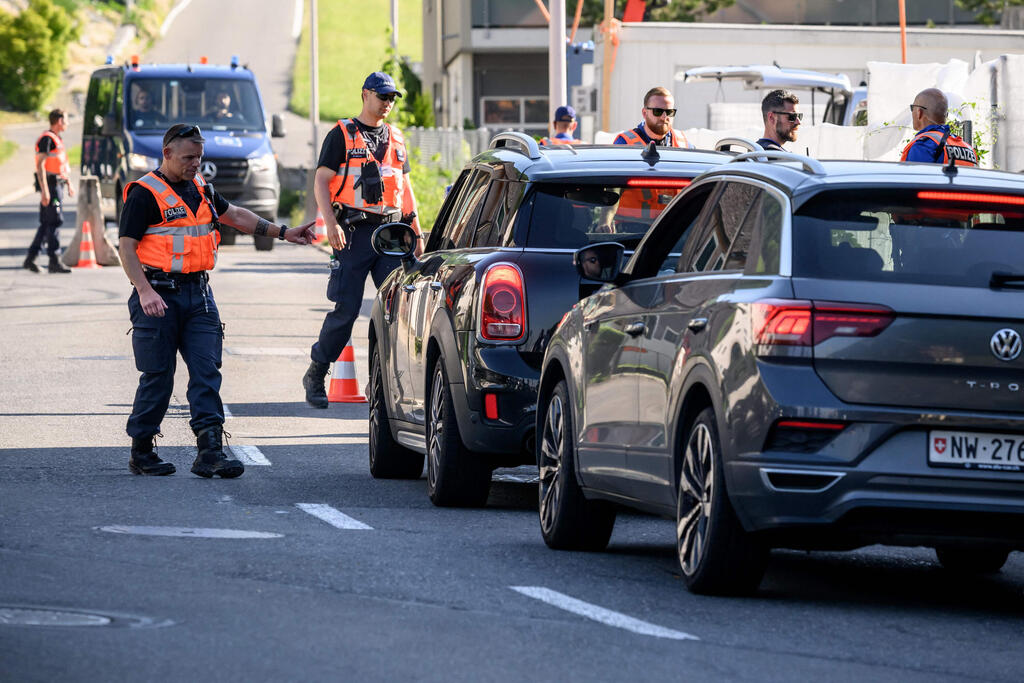
(Photo: Fabrice COFFRINI / AFP)
During the negotiations, Iran took precautions to make any Israeli attack on senior officials more difficult. In April, Ghalibaf was scheduled to travel to Islamabad for a meeting with Vice President JD Vance. Iranian security officials feared Israel might use the trip to assassinate Ghalibaf or Araghchi and derail the talks, according to the report.
Iran sought guarantees from the United States through Pakistani and Qatari intermediaries that Israel would not carry out covert operations against the Iranian delegation. Pakistani fighter jets escorted Iranian aircraft carrying more than 70 delegation members from the Iranian border to Islamabad and back.
On the return flight to Tehran, however, Iranian security forces warned the plane carrying Ghalibaf that they had intelligence Israel planned to attack it and that two Israeli fighter jets had entered Iranian airspace from the west near Iraq, the report said, citing Iranian officials.
Mahdi Mohammadi, a senior adviser to Ghalibaf who accompanied him to Islamabad, confirmed the account on social media. The plane made an emergency landing in Mashhad, near the Pakistani border, and the delegation then traveled about eight hours by land back to Tehran, according to the report.
Despite the security concerns, the Iranian officials continued to travel for talks. In late May, Ghalibaf and Araghchi flew to Qatar, and in June they traveled to Switzerland for another in-person meeting with Vance and the American delegation.