

The 60-day deadline set out in the June memorandum of understanding between the United States and Iran expired at midnight Sunday, with no final agreement to end the war and growing evidence that Tehran used the negotiating window to prepare for a broader confrontation.
While Washington focused on reopening the Strait of Hormuz and advancing negotiations, Iran’s hard-line leadership was pursuing a very different strategy, according to Iranian and Arab officials cited by The Wall Street Journal.
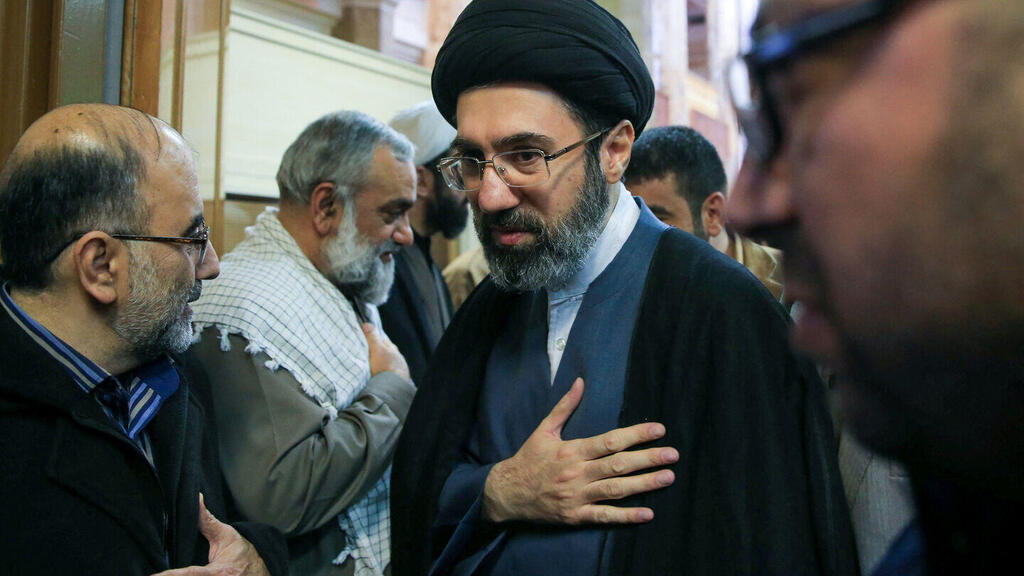
Those officials said hard-liners in Tehran viewed the agreement not as a genuine path toward peace but as an effort by the United States and Israel to ease pressure on the global economy and buy time before a larger attack.
Rather than placing their trust in diplomacy, they spent the past two months preparing for what they believe could be a much wider war.
The preparations include giving greater authority to the Islamic Revolutionary Guard Corps, appointing veterans of the Iran-Iraq War and previous domestic crises to key positions, expanding counterintelligence operations and accelerating production of missiles and drones.
Iranian leaders also moved aggressively to reinforce Tehran’s hold over the Strait of Hormuz and widen the battlefield into the Red Sea, a route Saudi Arabia has increasingly relied on to bypass Iranian pressure in the Persian Gulf.
Arab intelligence services have gathered evidence, including communications between Iran and allied militias in Yemen and Iraq, indicating a strategic shift within Iran’s leadership, according to people familiar with the intelligence cited by the Journal. The goal, they said, is to prepare Iran and its allies to expand the conflict and raise the costs for the United States.
Iranian leaders have increasingly discussed “offensive operations on enemy territory,” alarming smaller Gulf states including Kuwait. Their broader objective is to inflict enough damage to deter the kind of attacks Iran suffered during last year’s 12-day war and the continuing conflict.
“There is also a widespread view in Iran that the main war has not yet begun,” Mohammad Hassan Sangtarash, a Tehran-based defense analyst close to the Iranian government, told the Journal. “What we have seen so far is increasingly interpreted through the lens of ‘salami-slicing’ tactics, limited and gradual escalation designed to weaken capabilities before a larger confrontation.”
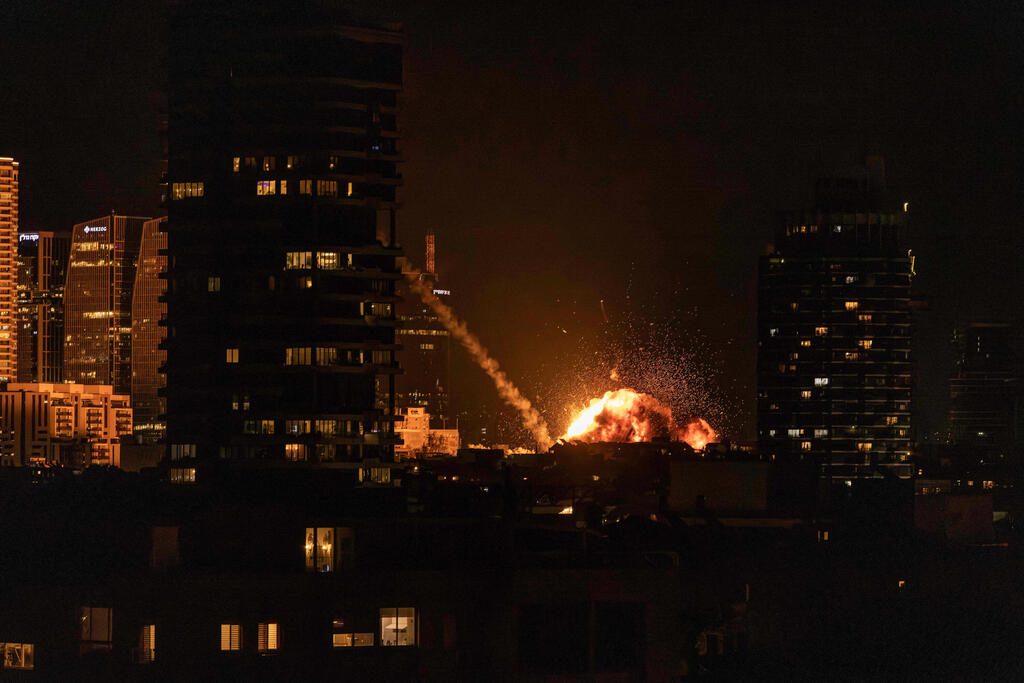
Missile attack on Tel Aviv, direct hit during Operation Roaring Lion
(Photo: by JOHN WESSELS / AFP)
Iran’s preparations underline the growing gap between Washington and Tehran over what the current phase of the conflict represents. That gap has helped produce Iran’s hard negotiating position and reluctance to finalize agreements, repeatedly frustrating U.S. President Donald Trump, who has described Iranian leaders as “crazy” and accused them of lying.
It also reflects a deep level of mistrust that could prevent the two sides from reaching a durable agreement to end the conflict.
Iran’s military and economic foundations have suffered major damage from U.S. and Israeli strikes. More pragmatic figures in the leadership, including President Masoud Pezeshkian, have repeatedly warned that Iran must negotiate an end to the war and secure sanctions relief or risk economic collapse.
Yet the country is rebuilding more quickly than expected. Iran has restored infrastructure and regained access to missile bases at a pace that has alarmed Israeli officials familiar with the progress, according to the Journal.
Tehran has also demonstrated that it can strike U.S. bases and retains enough firepower to threaten ships and energy infrastructure across the Gulf. Arab governments are increasingly preparing for prolonged fighting and continuing disruption to global energy supplies.
“For the regime, the baseline is war,” said Alan Eyre, a former senior U.S. diplomat and former nuclear negotiator with Iran. “Iran will remain on the brink of war and prepare for another attack.”
The 60-day window
When Trump signed the memorandum of understanding with Iran on June 17 at Versailles Palace in France, one of Washington’s major concerns appeared to be convincing domestic critics that the agreement was not overly generous to Tehran.
The arrangement promised sanctions relief allowing Iran to sell oil, access to billions of dollars in frozen funds and the possibility of a $300 billion reconstruction fund. Iran’s main commitments were to reopen the Strait of Hormuz to shipping and then negotiate in good faith over its nuclear program.
Three weeks later, in early July, Iran began firing on vessels that the United States had expected to move through the strait. Washington was caught by surprise. “The very dangerous people from Iran, they’re sick,” Trump said at the time, also describing Iran’s leaders as “scum.”
Behind the scenes, however, Iran was pursuing a two-track policy. Its diplomats continued seeking an agreement with Washington while Supreme Leader Mojtaba Khamenei took steps to prepare Iran’s security apparatus for a wider confrontation, one that could potentially be initiated by Tehran itself, according to the Journal.
The IRGC used the relative calm created by the memorandum to coordinate more closely with allied militias across the region and prepare them for expanded attacks if necessary. Advisers were sent to Iraq, Yemen and Lebanon to discuss possible operations, according to officials familiar with recent Arab intelligence assessments.
Intercepted communications showed IRGC commanders traveling to Houthi-controlled areas of Yemen to plan an intensified confrontation with Saudi Arabia in coordination with Iran-backed Iraqi militias. Officials said the IRGC oversaw deployments of missiles, naval weapons and drone launchers to positions overlooking the Red Sea. It also provided Houthi forces with intelligence and target lists, including Saudi ports and energy facilities, along with advice on protecting assets from possible Saudi retaliation.
By late July, the fighting had escalated. The Houthis attacked Yemeni government forces backed by Riyadh and declared the Bab al-Mandab Strait, which connects the Red Sea to global shipping routes, closed to Saudi Arabia. The terror group also fired on Saudi vessels, complicating Riyadh’s efforts to export oil and increasing risks to global energy markets.
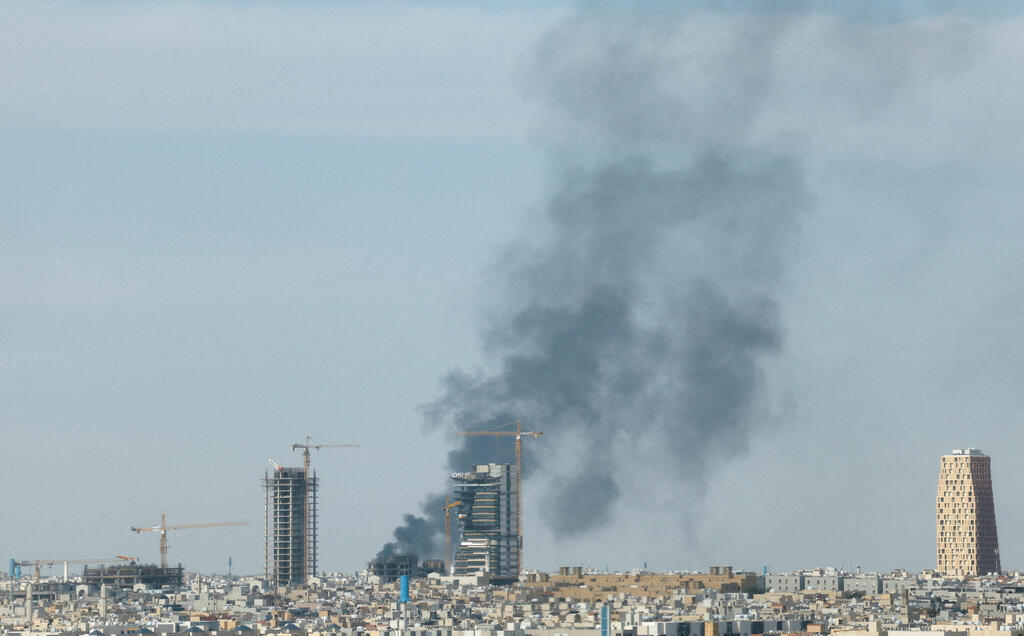
Saudi Arabia
(Photo: Stringer/Reuters)
Around the same period, Saudi Arabia said Iran-backed militias in Iraq carried out drone attacks on Saudi oil facilities. The IRGC also warned Gulf states that their energy infrastructure would be destroyed if the United States struck similar facilities inside Iran, officials said. Iranian commanders went as far as sending detailed lists of potential targets to Arab counterparts, according to the report.
Iran also stepped up attacks on U.S. forces. Tehran surprised Washington by launching five ballistic missiles toward Jordan during a lull in the conflict. The attack came two weeks after another Iranian strike in Jordan killed three U.S. service members.
Concern among Gulf officials grew as they watched Iranian attacks increase in scale and Iranian missiles increasingly evade U.S. defenses and strike targets more accurately in Jordan, Kuwait and Bahrain. The fighting has continued into August, with Iran attacking six Emirati vessels over the past two weeks as they attempted to pass through the Strait of Hormuz.
“We fully exploited the ceasefire period,” IRGC spokesman Hossein Mohabi told the IRGC-linked Tasnim news agency in July. “We improved our capabilities, accelerated the pace of missile production and improved missile accuracy.”
Behind the scenes, Khamenei has also prepared Iran’s security institutions for more aggressive warfare. He recently appointed seven senior security figures to oversee military institutions and domestic suppression as part of a reorganization disclosed last week.
The appointments came with a more confrontational mandate: tightening the military chain of command, turning an ideological militia into a neighborhood-level intelligence network and emphasizing offensive operations.
Iranian government advisers increasingly view the next phase of the conflict as one that will extend beyond conventional warfare. They expect outside powers to attempt to fuel domestic unrest, according to the report.
The government brutally suppressed protests over the country’s economic crisis in January and fears that worsening conditions under U.S. pressure could eventually drive demonstrators back into the streets. The IRGC has therefore developed plans for further escalation, including possible preemptive attacks, Iranian officials and public statements indicate.
Options under discussion include sabotaging internet cables in the Persian Gulf, fomenting political unrest in countries with large Shiite communities such as Kuwait and Bahrain, and potentially even ground operations in Kuwait.
Mediators said Iranian diplomats reached an agreement with Oman earlier this month to establish and monitor routes through the Strait of Hormuz that would allow a gradual reopening. Those efforts were blocked by the IRGC, which resumed attacks on vessels.
U.S. officials said that after the negotiations stalled and Iran refused to step back from escalation, Trump pulled back to see whether economic pressure from sanctions and a naval blockade would soften Tehran’s position.
Iranian leaders, however, remain deeply skeptical of Trump’s intentions and are shifting toward what officials describe as a survival economy designed to endure prolonged pressure. People close to Iran’s senior negotiators have warned that the peace talks may ultimately prove to be only a pause before the next phase of war.
Mehdi Mohammadi, a strategic adviser to Mohammad Bagher Ghalibaf and a member of Iran’s negotiating team, described the current stalemate as “the calm before the storm.” In a social media post, he said one driver of continued conflict was a “generational project of blood revenge” over the killing of former Supreme Leader Ali Khamenei at the beginning of the war.
“The Iranian nation still has many unfinished matters with Trump,” Mohammadi said. “Iran is ready for the major confrontation.”