


Prime Minister Benjamin Netanyahu’s support for a proposal that would give him 10 reserved slots on Likud’s Knesset slate has triggered unrest inside the ruling party, after reports that local authority heads raised competing plans for how Likud should choose its candidates in the next election.
The Likud, Netanyahu’s right-wing party, traditionally holds primaries in which party members vote for the list of candidates who will run for Knesset. The order of that list can determine who enters parliament, depending on how many seats the party wins.
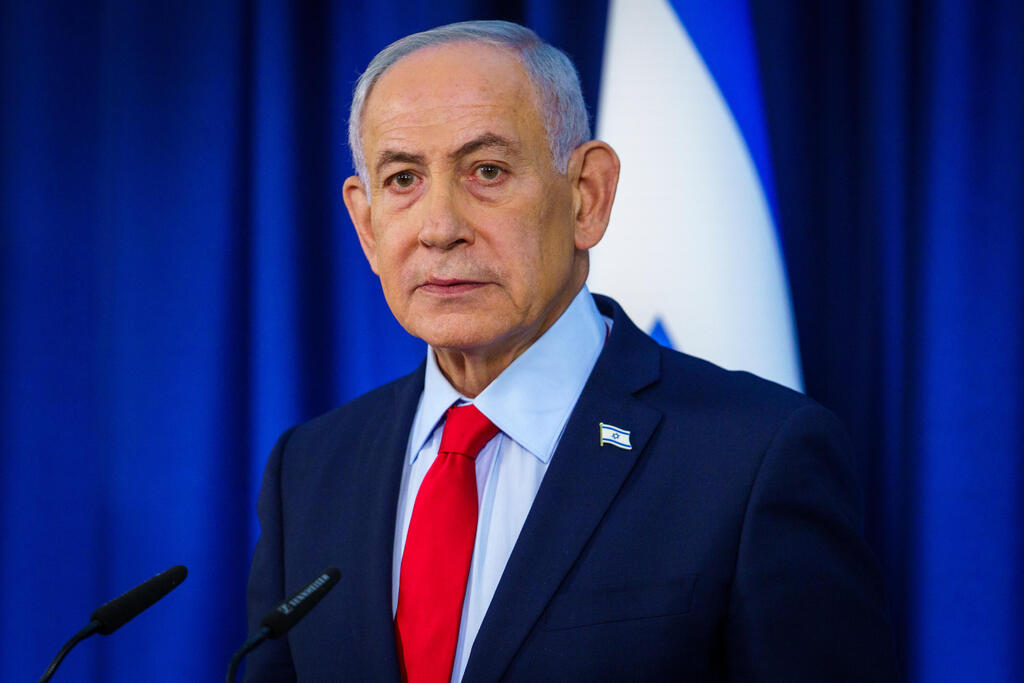
Prime Minister Benjamin Netanyahu
(Photo: Shalev Shalom)
At a meeting with Likud mayors, one proposal called for canceling the party’s primaries on a one-time basis and replacing them with an appointments committee. Netanyahu, however, backed a different proposal by Modiin Mayor Haim Bibas that would keep primaries but grant the prime minister 10 reserved slots and expand the national list to the 35th spot.
The proposal also includes a pledge to use the so-called Norwegian Law, under which ministers may resign from the Knesset while remaining in the Cabinet, allowing the next candidates on the party list to enter parliament.
The plan has angered Likud activists and lawmakers who fear it could push sitting ministers and Knesset members out of realistic places on the slate.
“With all due respect to the local authority heads who attended the meeting, Likud is a democratic party, not an appointments committee of Mapai or Yesh Atid,” said Nili Aharon, head of the Yeruham local council, referring to former and current rival parties. “Only Likud members will decide who their list for the next Knesset will be.”
A senior Likud figure was even harsher, saying: “With these proposals, Netanyahu wants to throw all of us out, all the Knesset members who fought for him for an entire term.”
Likud officials said that if Netanyahu receives six reserved slots in the top 20 alone, only 16 realistic spots would remain open for competition, with many likely taken by senior ministers and only a few left for other lawmakers.
In the previous primaries, regional slots began at No. 19. The new proposal would significantly reduce the chances of sitting lawmakers returning to the Knesset. According to Likud estimates, about 27 current ministers and lawmakers could be pushed out after the election.
Expanding the national list could soften that blow while still allowing Netanyahu a relatively large number of reserved spots.
The meeting was attended by Bibas and several other Likud mayors, including Dimona Mayor Benny Biton, Or Yehuda Mayor Liat Shohat, Nof HaGalil Mayor Ronen Plot, Ashkelon Mayor Tomer Glam, Ashdod Mayor Yehiel Lasri and Kiryat Yam Mayor David Even Zur.
Discussions on the proposal are expected to continue in the coming days.