

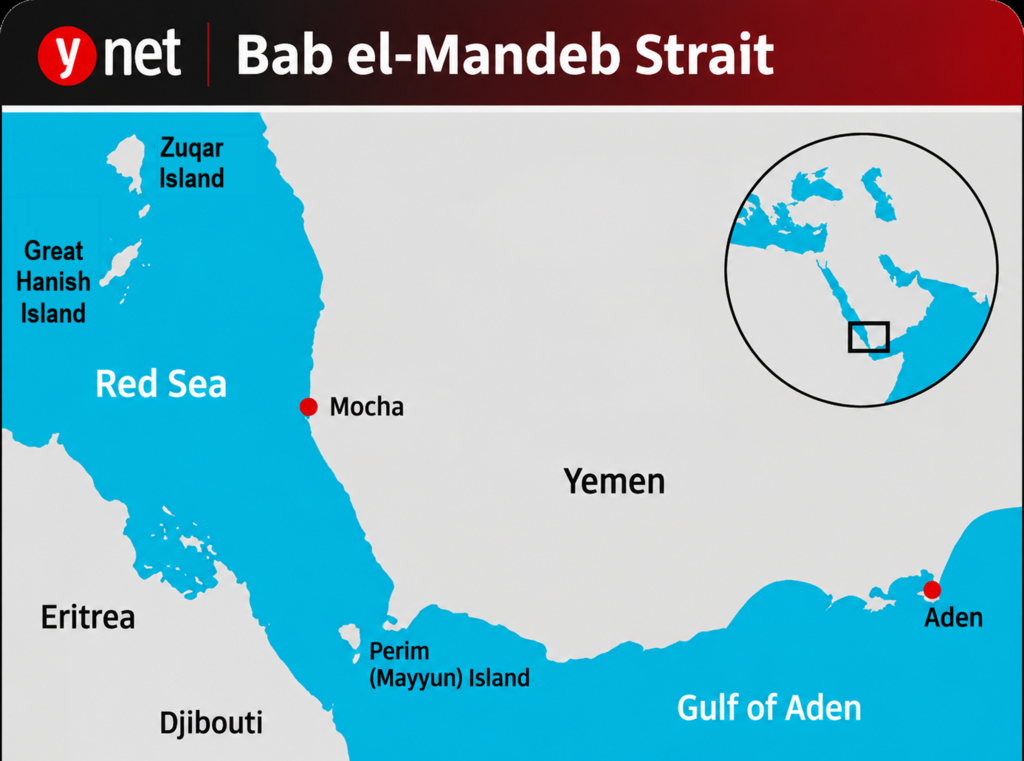
Officials with Yemen’s internationally recognized, Saudi-backed government acknowledged Friday that Iran-aligned Houthi forces had reached the coastal town of Dhubab and seized control of the Bab el-Mandab Strait.
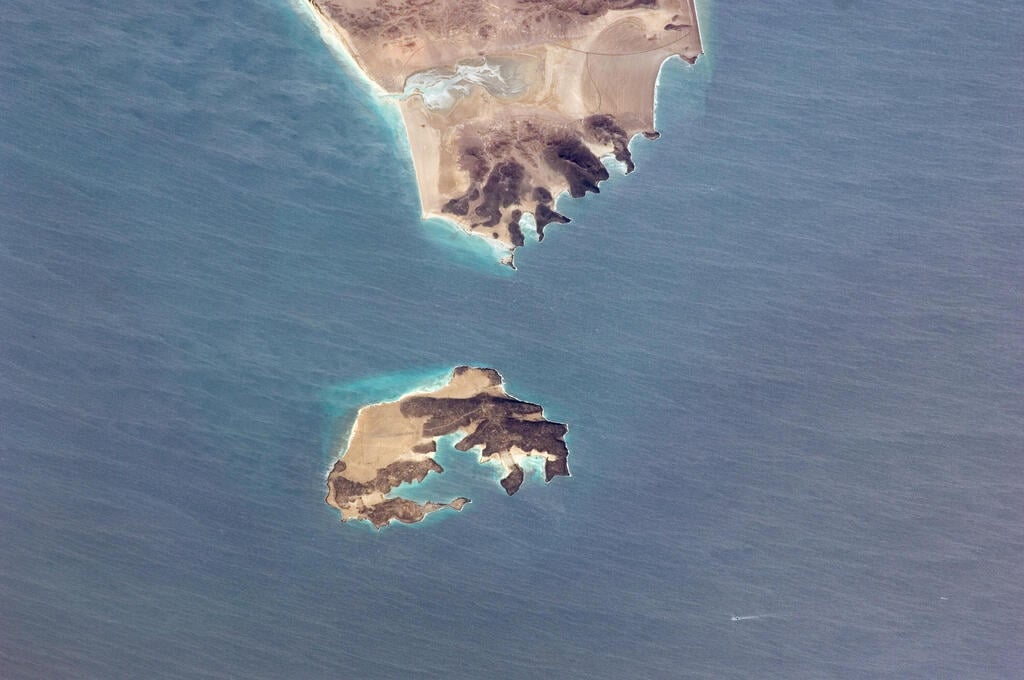
Meanwhile, Yemeni government forces withdrew from the strategic island of Perim, also known as Mayyun, which sits in the middle of the southern entrance to the strait. The officials said control of Dhubab, adjacent to the waterway, and Perim was key to controlling Bab el-Mandab — and that the Houthis had now achieved it.
The development comes as fighting over the Strait of Hormuz has dragged on for months, raising fears that disruption at a second major Middle Eastern shipping chokepoint could send already elevated oil prices sharply higher.
A senior Israeli official called it a “negative development” but stressed: “If we are not attacked, we will not intervene.”
Axios reported that Saudi Crown Prince Mohammed bin Salman called U.S. President Donald Trump twice Thursday and urged him to order strikes against the Houthis. Trump refused, according to the report.
Reuters reported that the latest Houthi campaign was carried out under direct guidance from Iran’s Revolutionary Guard. Two Iranian sources said Tehran instructed the Houthis last week to escalate attacks against Saudi Arabia and promised additional funding and weapons.
A regional diplomat briefed by Tehran said senior Revolutionary Guard officers had traveled to Yemen to oversee and command Houthi attacks against Saudi Arabia following weeks of discussions over military strategy.
Citing intercepted communications and accounts from captured Houthi fighters, Yemeni military sources said they believed the Iranian effort was being led by Abdul Reza Shahlai, a senior Revolutionary Guard commander.
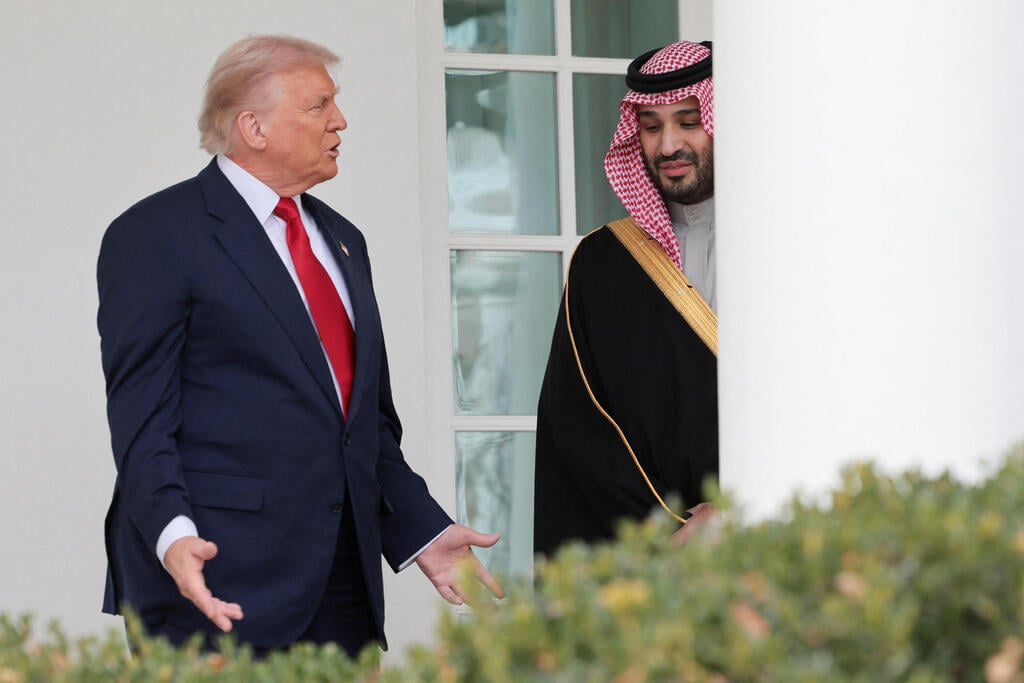
US President Donald Trump and Saudi Crown Prince Mohammed bin Salman
(Photo: REUTERS/Jessica Koscielniak)
Iranian sources did not confirm the claim. Shahlai, a member of the Guard’s elite Quds Force, has previously been reported to have spent time in Yemen in recent years.
Bin Salman’s calls to Trump came after dramatic developments in Yemen, including the Houthi seizure of strategic Red Sea islands, the capture of the nearby port city of Mocha and mounting fears that the group could block or threaten traffic through Bab el-Mandab.
Trump rejected the request for U.S. strikes, and American officials said the administration does not currently intend to take direct military action against the Houthis.
The United States is increasingly concerned about the rapid escalation in Yemen and is stepping up support for Saudi Arabia while seeking to avoid direct military involvement, according to the report. Adm. Brad Cooper, commander of U.S. Central Command, traveled to Saudi Arabia on Thursday for urgent coordination meetings.
The Saudi-Houthi confrontation resumed in July after Riyadh prevented an Iranian aircraft carrying senior Houthi officials from landing in Yemen’s Houthi-controlled capital, Sanaa. The officials were returning from the funeral of Iran’s former supreme leader, Ayatollah Ali Khamenei.
At the time, bin Salman sought Trump’s political backing for a Saudi strike on Sanaa airport but told Washington that Saudi Arabia did not need U.S. military assistance. Trump gave his support.
The Houthis responded by attacking Saudi tankers in the Red Sea, threatening a vital route for the kingdom’s oil exports. They later expanded their attacks to Saudi energy facilities. Saudi Arabia and its Yemeni allies responded with airstrikes and ground operations against Houthi positions.
Saudi Arabia’s latest request for direct U.S. military action represents a sharp shift from its position in July, when Riyadh told Washington it could deal with the Houthis on its own.
U.S. military and administration officials have told their Saudi counterparts in recent weeks that Trump’s directive is to keep American forces focused on Iran and the Strait of Hormuz and avoid opening another front.
American officials said that as Houthi forces advanced toward Mocha on Thursday and Saudi-backed Yemeni forces retreated, bin Salman called Trump to brief him on the deteriorating situation.
Chanting 'Death to America, death to Israel,' Houthi rebels pour into the strategic port city of Mocha


Several hours later, the crown prince called again and asked Trump to order strikes against the Houthis. Trump refused, but a U.S. official said Washington would provide Saudi Arabia with intelligence on the Houthis and targeting information.
A senior Trump administration official signaled that Washington’s priority is keeping the Red Sea open while leaving the broader campaign to regional partners.
“The United States is focused on protecting our core national security interests — such as ensuring freedom of navigation in the Red Sea — while empowering our regional partners to take the lead in managing and resolving regional security challenges,” the official said. “We are in continuous dialogue with Saudi Arabia and the Republic of Yemen Government regarding regional stability.”
Houthis advance on key shipping chokepoint
Houthi forces launched a major ground offensive Thursday night, seizing large stretches of Yemen’s southwestern coastline from forces loyal to the internationally recognized government.
Reports said the Houthis also seized Perim during the offensive. The island sits in the middle of Bab el-Mandab at one of the strait’s narrowest points, making it strategically important for monitoring and potentially threatening maritime traffic.
The Houthis also reached the Hanish Islands, farther north in the southern Red Sea, and seized at least one of them. A military official said the Houthis launched missile attacks against Zuqar Island and sent boats carrying fighters there.
Bab el-Mandab, which connects the Red Sea with the Gulf of Aden and ultimately links Asia and Europe through the Suez Canal, is one of the world’s most important maritime trade routes.
Its importance has increased further since Iran blocked the Strait of Hormuz at the start of its war with the United States in late February. Hormuz, on the opposite side of the Arabian Peninsula, is one of the world’s most important routes for oil and gas shipments.
The disruption at Hormuz has already driven oil prices sharply higher, and fears are mounting that increased Houthi control over Bab el-Mandab could deepen turmoil in global energy markets.
Amid those concerns, crude oil prices jumped at least 5% Thursday, with Brent crude, the international benchmark, reaching $106 a barrel.
Greater control of Bab el-Mandab by Iran’s allies could also strengthen Tehran’s bargaining position in negotiations with Trump and increase the pressure Iran is seeking to exert as it escalates attacks in an effort to end the U.S. blockade.
Regional communities fear fallout
The Houthi gains are also causing concern elsewhere in the region.
Members of the Sunni Afar community, which spans parts of the Horn of Africa, including Ethiopia, Eritrea and Djibouti, are worried about the Houthi advance toward Bab el-Mandab and its potential consequences for communities on the African side of the Red Sea.
“The developments could have direct consequences beyond Yemen, particularly for the Afar community in Eritrea’s Dankalia region,” an Afar representative told ynet. “Fishermen from the community depend on the Red Sea for their livelihoods and have longstanding fishing ties with the Yemeni coast.”
“The impact of the conflict in Yemen needs to be examined not only in terms of military and maritime security, but also in terms of livelihoods and the humanitarian consequences for fishing communities,” the representative said.
Iranian media celebrated reports of the Houthi advances Thursday. Iran’s Al-Alam television network claimed that the Houthis had also captured the “last stronghold” of the Saudi-backed Yemeni government’s forces along Yemen’s western coast.
Iran’s Foreign Ministry later said Tehran’s position “remains firm regarding the need to respect Yemen’s independence and end the illegal blockade on the country.”
“We emphasize the need to immediately resume dialogue based on the agreed road map for Yemen,” the ministry said.