

Pakistan quietly allowed Iranian military aircraft to park on its airfields during Iran’s war with the United States, even as Islamabad publicly positioned itself as a mediator between the two sides, U.S. officials told CBS News.
The move may have helped shield some of Tehran's remaining military and aviation assets from possible American airstrikes, according to U.S. officials familiar with the matter, who spoke on condition of anonymity because they were discussing national security issues.
Gallery
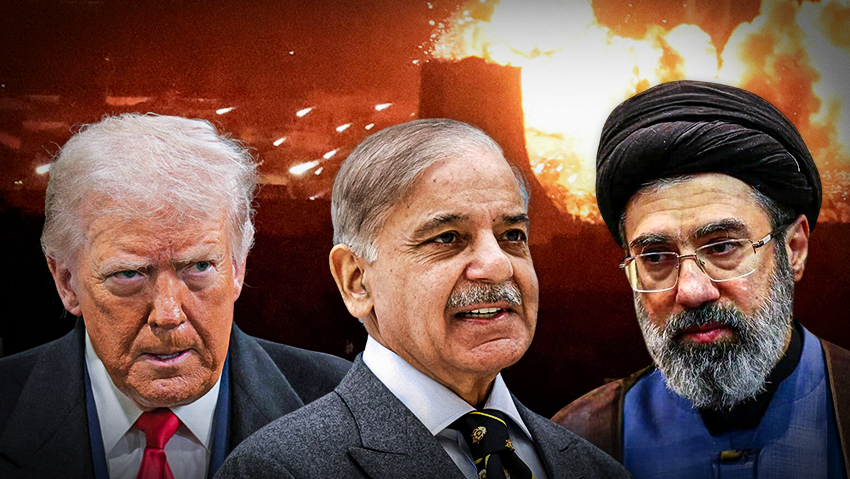
The move may have helped shield some of Iran’s remaining military and aviation assets
(Phoot: Anna Moneymaker / AFP, Atta Kenare/ AFP, Sputnik/ Alexander Kazakov/ Reuters)
Iran also sent civilian aircraft to neighboring Afghanistan, two of the officials said. It was not clear whether any military aircraft were included among those flights.
Together, the aircraft movements appeared to reflect a broader Iranian effort to protect key assets as the conflict expanded — while regional governments publicly continued to present themselves as channels for de-escalation.
‘Iranian aircraft at a Pakistani air base’
The U.S. officials said that days after President Donald Trump announced a ceasefire with Iran in early April, Tehran sent multiple aircraft to Pakistan Air Force Base Nur Khan.
The base is a strategically important military installation located just outside Rawalpindi, Pakistan’s garrison city.
Among the aircraft was an Iranian Air Force RC-130, a reconnaissance and intelligence-gathering version of the Lockheed C-130 Hercules tactical transport aircraft, according to the officials.
U.S. Central Command referred to Afghan and Pakistani officials for comment.
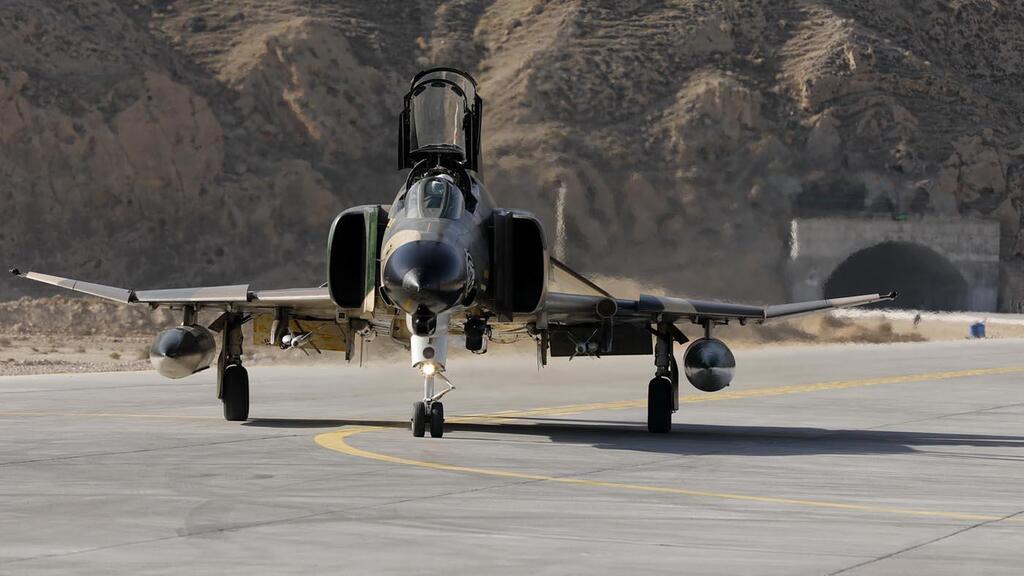
Iranian aircraft
A senior Pakistani official denied the claims involving Nur Khan Air Base, saying that "Nur Khan base is right in the heart of [the] city, a large fleet of aircraft parked there can't be hidden from [the] public eye."
‘Iranian aircraft in Afghanistan’
Iran also appears to have used Afghanistan as a temporary parking location for at least one civilian aircraft.
An Afghan civil aviation officer said that a civilian plane belonging to Iran’s Mahan Air landed in Kabul shortly before the war began. After Iranian airspace was closed, the aircraft remained parked at Kabul airport.
The officer said the plane was later moved to Herat Airport, near the Iranian border, after Pakistan began airstrikes on Kabul in March during tensions with the Taliban-led government. Islamabad has accused the Afghan Taliban of providing safe haven to Tehrik-e-Taliban Pakistan, a jihadist militant group.

Fire in Kabul following a Pakistani military strike
(Photo: X)
According to the Afghan aviation officer, Taliban civil aviation authorities moved the aircraft for safety reasons, fearing Kabul airport could be hit by Pakistani jets.
The officer said it was the only Iranian aircraft left in Afghanistan.
Taliban chief spokesman Zabihullah Mujahid denied that any Iranian aircraft were present in the country, saying, "No, that's not true and Iran doesn't need to do that."
‘Pakistan’s balancing act’
The claims come as Pakistan tries to navigate a complex diplomatic position in the war.
Islamabad has presented itself to Washington as a stabilizing intermediary between the U.S. and Iran, while also seeking to avoid steps that could alienate Tehran or China, Iran’s most powerful international backer.
Pakistan’s reliance on China for military assistance has grown sharply over the past decade. A Stockholm International Peace Research Institute study found that China supplied about 80% of Pakistan’s major arms between 2020 and 2024. Islamabad also maintains close economic ties with Beijing.
China has deepened military and economic cooperation with both Pakistan and Iran in recent years and has publicly praised Pakistan’s role in facilitating indirect communications between Tehran and Washington.
‘Iran’s ceasefire demands’
The aircraft claims emerged as the ceasefire between Iran and the U.S. appeared increasingly fragile.
Iran’s latest proposal to end the war included demands for U.S. war reparations, recognition of Iranian sovereignty over the Strait of Hormuz and the removal of American sanctions, according to Iran’s state-run broadcaster.
Trump mocks the Iranian proposal
(Video: Fox News)


The conditions were disclosed in a social media post by Islamic Republic of Iran Broadcasting one day after Trump publicly rejected Tehran’s counteroffer as "TOTALLY UNACCEPTABLE."
Trump did not specify which parts of Iran’s proposal led him to reject it.
The rejection has deepened questions over whether the ceasefire exists in practice or only in name. Trump is expected to travel to Beijing this week for talks with Chinese President Xi Jinping, where the war in Iran is likely to feature prominently alongside trade and Taiwan.
‘Ceasefire under strain’
Small-scale clashes continued around the Strait of Hormuz on Sunday, underscoring the instability of the ceasefire.
The United Arab Emirates said Iranian drones again targeted its territory following several strikes earlier in the week, according to Reuters.
Last week, CBS News reported that three U.S. Navy destroyers transiting the Strait of Hormuz came under attack. The U.S. later carried out strikes on two Iranian ports near the strategic waterway.
The reported aircraft movements to Pakistan and Afghanistan add another layer to the conflict: while diplomacy continued in public, Iran was allegedly moving assets across borders — and regional players were quietly calculating how to avoid being pulled deeper into the war.
First published: 10:57, 05.12.26